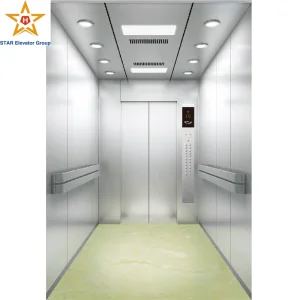
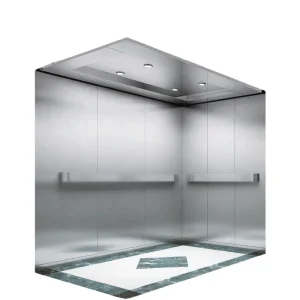
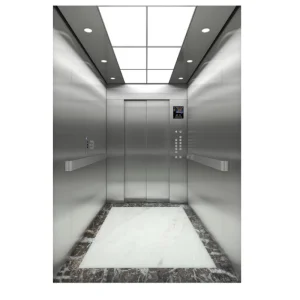
Engineered with specialized deceleration systems and anti-bacterial materials, optimized for South Sudan's clinical specifications and regional logistics demands.
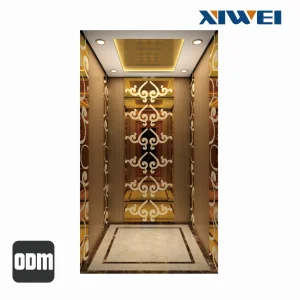
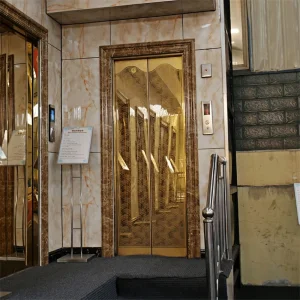
As South Sudan advances its commercial, public, and healthcare infrastructure, cities like Juba, Wau, and Malakal are experiencing an unprecedented wave of hospital construction and modernization. Establishing a functional health facility in these emerging zones requires more than standard architectural planning; it demands highly specialized engineering systems designed to withstand local environmental, logistical, and electrical stresses. Within this context, hospital elevators emerge as the critical arteries of clinical workflows, directly impacting patient outcomes, emergency response times, and facility efficiency.
Building and operating clinical environments in South Sudan presents unique geographic and operational challenges. A significant portion of healthcare projects is funded through international development grants, NGOs, and public-private partnerships. The primary focus is transitioning from low-capacity, single-story clinics to comprehensive, multi-story referral hospitals. Vertical transit is no longer a luxury but an operational necessity for proper patient segregation, infection control, and trauma response.
The industrial and commercial reality of South Sudan demands equipment that features high resilience. Fluctuating power grids, high ambient temperatures, and dust infiltration are major concerns for electronic systems. Thus, vertical transport systems must be heavily ruggedized, incorporating dynamic deceleration devices, robust VVVF control mechanisms, and industrial dust protection to guarantee consistent uptime in high-stress environments.
Global procurement teams managing medical construction in East Africa prioritize systems that offer long-term operational viability over low upfront costs. For hospital vertical transportation systems, adherence to strict international frameworks is non-negotiable. Elevators must conform to EN 81-20/50 European safety standards, which cover precise regulations on emergency evacuation procedures, leveling accuracy, and mechanical redundancy.
Under the guidelines of the Google Search Quality Rater framework, establishing authority and trustworthiness in procurement demands transparent technical metrics. Key specifications include:
For South Sudanese developers and international contractors, sourcing from Chinese Industry 4.0 manufacturers provides a vital advantage in supply chain resilience. Through digitalized manufacturing ecosystems, factories can rapidly customize elevator dimensions to fit existing concrete shafts—an essential feature for retrofit projects in Juba's commercial-to-medical conversion structures.
Furthermore, China’s integration of structural steel fabrication, advanced precision drive assembly, and robust testing towers ensures that complex systems can be delivered within compressed timelines. Logistics solutions are optimized for the East African corridor: elevators are packed in heavy-duty containerized crates designed to resist moisture and mechanical vibration during shipping to the Port of Mombasa, followed by overland transport via Uganda or Kenya straight to the construction site in South Sudan.
Ascom Elevator is a professional Elevators Manufacturer and Supplier in China, specializing in Fuji Lifts & Elevators. Our engineering capabilities cover Passenger elevators, Home elevators, Sightseeing elevators, Cargo elevators, Escalators, and Shopping cart escalators, offering versatile solutions for modern clinical and commercial complexes.
From heavy-duty medical logistics to architectural passenger flows, explore our engineered vertical transportation systems designed for modern smart buildings.


Engineered to conform with strict sanitary, spatial, and mechanical safety benchmarks for modern medical complexes.
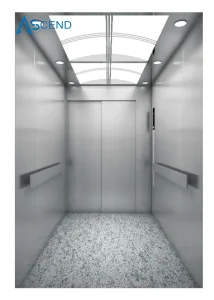
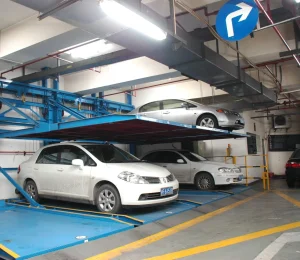
How our hospital elevator setups address the primary engineering demands of medical buildings across East Africa.
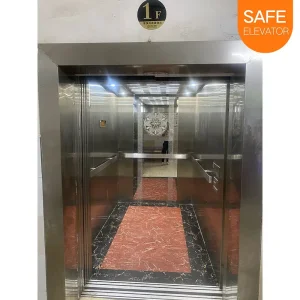
Integrating high-capacity bed elevators in new multi-floor surgical complexes. Features dust-proof control modules and localized ventilation systems to counter intense ambient heat levels.
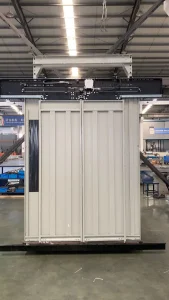
Modular designs built to integrate with structural container blocks. Facilitates rapid assembly, minimizing transport requirements and reducing the need for specialized construction equipment.
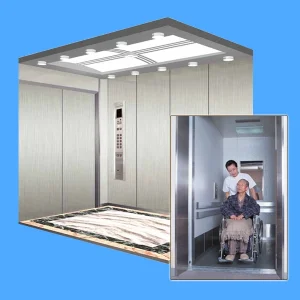
High-duty cycles with anti-bacterial stainless steel panel structures. Outfitted with automatic rescue devices (ARD) to protect patients during sudden municipal grid dropouts.
Answers to critical design, logistics, installation, and compliance questions for project managers and procurement officers.
Get in touch with our specialist engineering department. We provide comprehensive consultations, custom shaft drawings, and competitive cost estimations tailored to your project requirements.
Send Inquiry Now Ascom Elevator