Engineered to upgrade outdated systems, enhance travel efficiency, and comply with international codes.
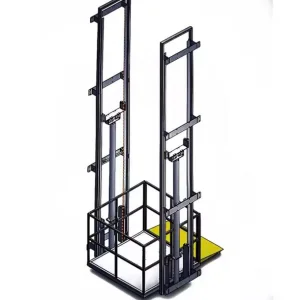
Vertical Lift Hydraulic Cargo Elevator Stair Lift for Convenient Transportation of Goods
Explore Details
Professional Manufacturer China SGS Vvvf Cheap Safe Elegant Dumbwaiter Lifts Service Elevator
Explore Details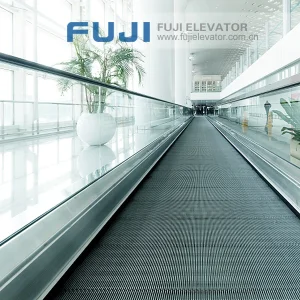
FUJI 0/12 Degrees Moving Walks for Supermarket
Explore Details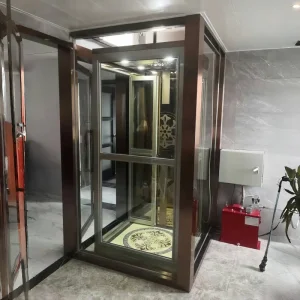
Low Cost Home Elevator Kit 400kg House Wheelchair Lifts for Stairs
Explore Details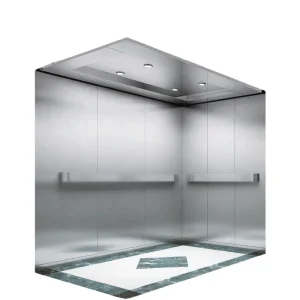
Professional Public Hospital Patient Bed Private Clinic Healthcare Building Medical Passenger Disabled Stretcher Lift Elevator with Anti-Bacterial Finish
Explore Details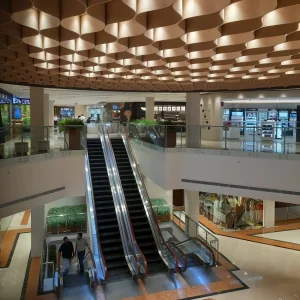
Vvvf Drive Indoor Outdoor Stainless Steel or Aluminum Moving Walk for High Human Traffic
Explore Details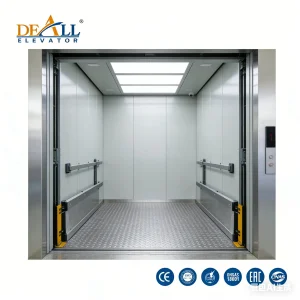
Factory Freight Elevator Lift for FUJI Industrial Warehouse Cargo Transport
Explore Details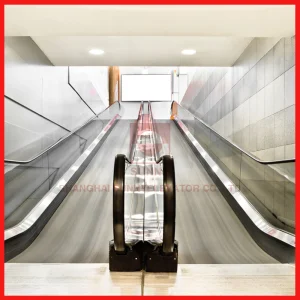
Ce Airport Sately with Vvvf Moving Walk
Explore DetailsBuilding Trust and Value through Sophisticated Engineering and Operational Resilience
Ascom Elevator is recognized as a pioneering force and premier elevator modernization kit manufacturer and supplier in China, delivering cutting-edge Fuji Lifts & Elevators. Operating in an increasingly vertical world, our comprehensive capabilities cover Passenger elevators, Home elevators, Panoramic sightseeing elevators, Cargo elevators, Escalators, and Shopping cart escalators. Through structured OEM/ODM manufacturing processes, we formulate turnkey upgrade kits that systematically restore obsolete units, improving safety parameters and operating parameters to align with modern international metrics.
The decision to modernize aging vertical transportation systems rather than pursuing full replacements is driven by financial and architectural necessities. In dense urban nodes globally, the structural integration of old elevator shafts limits the capacity to install brand-new structural components without committing to extensive demolition. Modernization kits alleviate these constraints by retaining the core structural elements of the lift—such as well-built car frames, guide rails, and counterweights—while completely overhauling the electronic brains (microprocessor-based controller cabinets), drive assemblies (VVVF technology), and safety gear mechanisms.
By leveraging Ascom Elevator’s proprietary design technologies, facility managers can optimize lifecycle returns, diminish power consumption profiles by up to 45%, and achieve absolute adherence to EN 81-80 (Safety rules for existing lifts) and ASME A17.3 codes. Ascom’s operations are designed to balance technological innovation with cost-efficiency, ensuring our clients receive high-performance engineering upgrades suited to their exact architectural needs.
Tailored options designed to fulfill diverse logistical, architectural, and passenger needs
A high-performance elevator modernization kit is not merely a collection of spare parts; it is an integrated system designed to run as a unified mechanical and electrical system. The major subsystems of Ascom’s modernization kit include:
"Modernization represents the convergence of older engineering designs with dynamic, software-driven electrical systems. By upgrading the controller, drive system, and door operator, we restore older structural frames, enhancing passenger safety and operational efficiency."
Elevator modernization requirements vary depending on building use and geographical demands. Ascom constructs dedicated packages optimized for these scenarios:
1. High-Density Commercial Offices: For office environments, modernization focuses on reducing waiting intervals and transit times. Our systems feature Destination Control Systems (DCS) where passengers group their destinations before entering, optimizing passenger flow and minimizing unnecessary stops. The mechanical upgrade includes replacing standard geared motors with high-speed (up to 4.0m/s) PM gearless machines, improving traffic handling capacity by 35% without requiring shaft alterations.
2. Healthcare Facilities & Hospitals: Hospital stretcher and bed lifts require smooth travel and precise leveling. Upgraded systems feature continuous-feedback accelerometers and specialized passenger-load logic to ensure smooth transitions between acceleration, cruise speed, and deceleration phases. Interior finishes use anti-bacterial materials, and safety systems include power backup functionality to drive the car to the nearest floor during power failures.
3. Heavy Industrial Warehouses: Industrial freight applications prioritize load integrity and leveling reliability under heavy stress. Modernizing these systems requires heavy-duty guide-shoe integrations, solid safety-gear frameworks, and robust hydraulic valves capable of managing eccentric loads from forklifts. Ascom's cargo modernization kits include structural reinforcement plans alongside heavy-duty VVVF drives to manage initial start-up torque demands.
The industry is transitioning toward digital integration and predictive maintenance. Ascom’s research and development roadmap focuses on these key areas:
Integrating cellular IoT modules within Ascom control cabinets to transmit operational metrics (such as door cycles, heat signatures, and vibration profiles) directly to cloud monitoring platforms. This enables predictive maintenance, notifying technicians before components fail.
Enabling compatibility with QR code credentials, smartphone dispatching apps, and facial recognition terminals to reduce high-touch risks and streamline passenger distribution in tall buildings.
Using localized supercapacitor storage blocks to capture regenerated elevator energy, routing it back during peak starting phases to reduce grid peak demands and utility costs.
China is a hub for global precision engineering and elevator manufacturing. The concentrated industrial clusters in the Yangtze and Pearl River Deltas provide direct access to high-grade silicon steel, precision copper windings, and advanced cast iron. This localized supply chain allows Ascom to source premium materials efficiently, keeping production costs competitive.
By streamlining component procurement and logistics, Ascom shortens production lead times compared to Western manufacturers. Every modernization kit undergoes testing on simulator rigs under varying load simulations to verify electrical and mechanical performance before shipment. This rigorous approach helps maintain high product reliability and consistent performance across global markets.
Global markets require adherence to specific safety standards. Ascom designs modernization kits to comply with major international codes:
We work closely with local engineering partners to supply site-specific documentation, wiring schematics, and calculation files. This structured support helps ensure field installations receive compliance approvals from local regulatory bodies, reducing project delays.
Technical answers regarding elevator modernization, components, and project management
Heavy-duty, commercial-grade vertical transit equipment built for durability and continuous operation
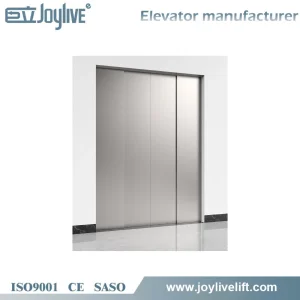
Heavy Duty 1000 Kg 2ton Size of Cargo Freight Elevator Used for Factory or Warehouse
Explore Details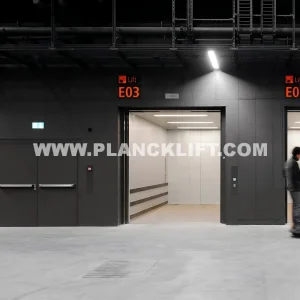
Car Elevator Freight Elevator Cost of Heavy Duty Cargo Lift Elevator Price Industrial Elevator Warehouse Elevator Small Freight Goods Elevator for Home Cargo
Explore Details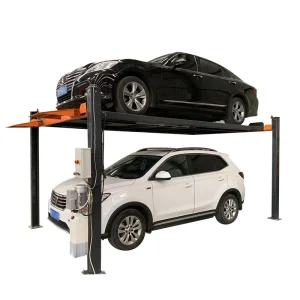
Ptj601 Model 4 Post Storage Cars Parking Elevator for Auto Park
Explore Details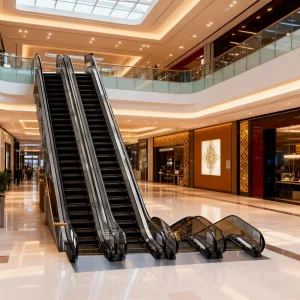
Atrium Showcase Escalator Becomes Architectural Focal Point
Explore Details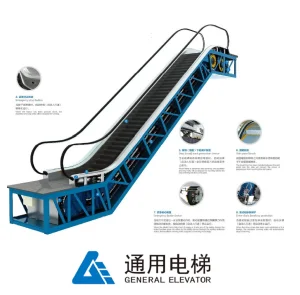
Commercial Escalator with Cheap Price
Explore Details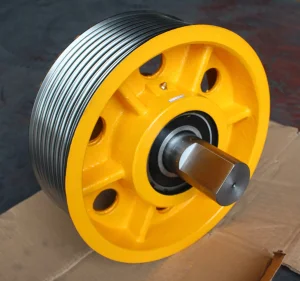
Marketing Selling Elevator Spare Parts Deflector Sheave with Shaft Base
Explore Details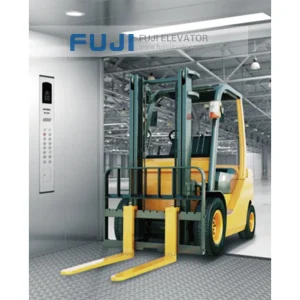
FUJI Freight Lift Elevator for Sale
Explore Details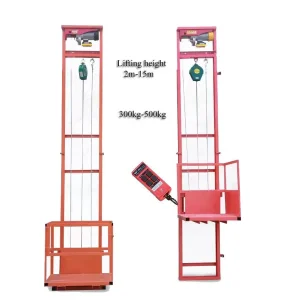
2m-15m Electric Elevator Lift Platform for Person Freight Small Material Cargo Lift Warehouse Household
Explore Details Ascom Elevator


