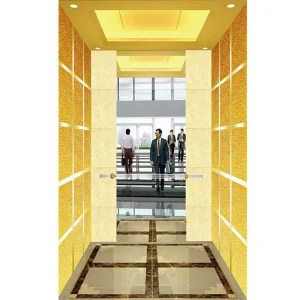
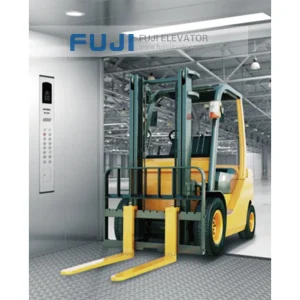
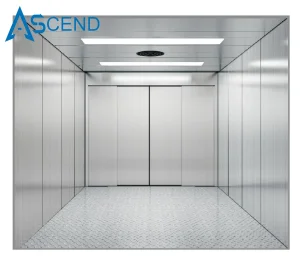
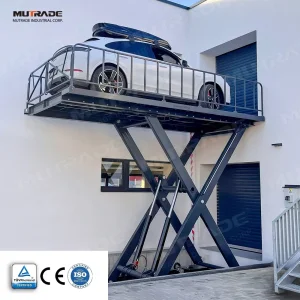
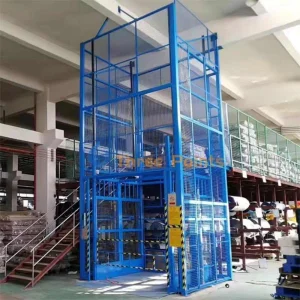
Discover our highly engineered heavy-duty cargo lifts, hospital-grade stretcher elevators, and modern panoramic solutions designed with optimized forced ventilation.
In high-rise architectural engineering and vertical transportation design, the elevator cabin ventilation system is a vital component governing indoor air quality (IAQ), occupant thermal comfort, and emergency building safety. Over the past decade, the global market for industrial elevator fans and forced-air circulation systems has experienced rapid technical evolution. Modern urban populations spend roughly 90% of their time indoors, and with skyscrapers soaring to new heights, passengers are occupying lift cabins for longer intervals. Elevating these cabins necessitates robust, energy-efficient mechanical ventilation networks that conform to the highest safety and regulatory codes.
Historically, elevator cabins relied on passive ventilation grilles. However, modern environmental expectations, high speed traction systems, and strict safety guidelines (such as EN 81-20/50 and ASME A17.1) require proactive active airflow management. According to international construction parameters, the ventilation of passenger elevators must guarantee a minimum exchange rate of 20 to 30 air changes per hour (ACH). In medical, aseptic, or heavy industrial zones, this baseline moves even higher, incorporating HEPA filters, positive-pressure controls, and sanitizing UV lamps within the primary cross-flow or centrifugal fan units.
From a geographical perspective, the Asia-Pacific region, led by China, remains the manufacturing epicenter and highest consumer market of elevator components. Industrial hubs in Jiangsu, Zhejiang, and Guangdong provide robust industrial supply chains, producing cross-flow fans (tangential fans), radial blowers, and axial fans for international elevator giants like Otis, Schindler, KONE, and Mitsubishi. Driven by building digitalization and IoT implementation, modern elevator fans are shifting from basic single-speed AC induction motors to sophisticated Brushless DC (BLDC) and Permanent Magnet Synchronous Motors (PMSM), controlled by intelligent variable voltage variable frequency (VVVF) motor drives.
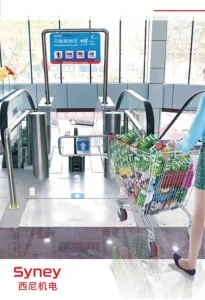
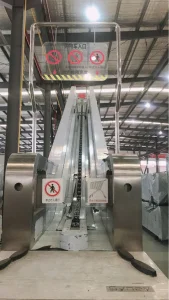
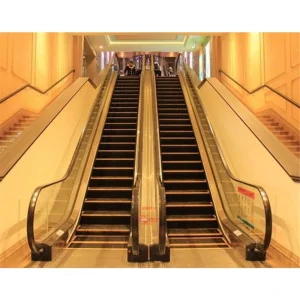
Ascom Elevator is a professional Elevators Manufacturer and Supplier in China, specializing in Fuji Lifts & Elevators. Our engineering capabilities span a wide range of systems, including Passenger elevators, Home elevators, Panoramic Sightseeing elevators, Heavy Cargo elevators, Escalators, and Shopping Cart escalators. By incorporating state-of-the-art airflow dynamics and structural acoustic reduction inside our cabins, we provide high-performance solutions for global high-end real estate developments.

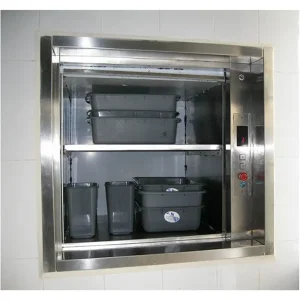
Industrial-grade lifting and mobility systems manufactured to match exact performance parameters and spatial requirements.
Elevator fan design is no longer just about pushing air through a small metal box. Today's architectures demand complex solutions that manage noise criteria (NC), energy parameters, particulate filtration, and safety systems. B2B engineers must understand the mechanics of centrifugal blowers, tangential fans, and axial impellers when selecting components for tall building designs.
The most prevalent design in passenger elevators is the cross-flow or tangential fan. These fans feature cylindrical impellers containing forward-curved multi-vaned blades. This design generates a wide, uniform, planar airflow across the cabin. Cross-flow technology operates with high volumetric efficiency while maintaining a low-profile dimension, allowing the fan assembly to fit easily within the limited structural space above the false ceiling of the lift car.
For industrial, heavy-capacity freight elevators, or shafts with high static pressure resistances, centrifugal blowers are the industry standard. Radial design impellers pull air axially and discharge it outward perpendicularly. This setup creates high static pressure, ensuring consistent ventilation flows even when the lift car is equipped with active carbon filter arrays or HEPA systems.
The maximum acceptable noise limit inside a high-end commercial passenger elevator cabin is 50 decibels (dB), with premium designs aiming for ≤45 dB. Achieving these targets requires manufacturing tolerances below 0.5g/mm of dynamic rotor imbalance, the installation of anti-vibration rubber isolators, and airfoil blades engineered to prevent vortex shedding.
| Fan Type | Typical Airflow (CFM) | Static Pressure Capability | Noise Level (dBA) | Target Application |
|---|---|---|---|---|
| Cross-Flow / Tangential | 150 - 350 CFM | Low to Medium | < 42 dBA | Residential & Commercial Passenger Lifts |
| Centrifugal Blower | 400 - 800 CFM | High | < 55 dBA | Heavy Freight Lifts & Cleanrooms |
| Axial Flow Fan | 200 - 500 CFM | Medium | < 48 dBA | Mine shafts, Cargo platforms, MRL systems |
Legacy fan models ran constantly at 100% speed, consuming energy and wearing out bearings during building downtime. Modern green building designs require the elevator mechanical ventilation system to interface with the main lift controller. Using speed controllers or integrated variable voltage variable frequency (VVVF) cards, the system adjusts airflow based on cabin load, lift speed, and occupancy. During periods of inactivity, the control logic triggers "sleep mode," reducing speed or powering down the system completely to help projects achieve LEED and BREEAM environmental ratings.
High-performance ventilation needs vary significantly across regional markets. B2B buyers must evaluate these operational demands to choose the right elevator fans for their regional environments:
In tropical regions like Southeast Asia, Central America, and the Middle East, high relative humidity accelerates electrical and mechanical corrosion. Elevators in these areas require motor windings with Class F insulation and impellers treated with anti-corrosive electroplating or epoxy coatings. Condensation management is also critical. Impellers are designed to prevent moisture buildup that could short-circuit ceiling-mounted electronics.
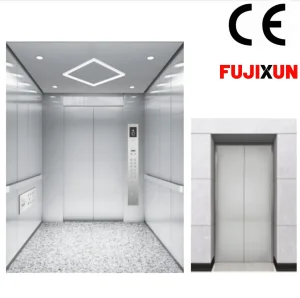
In hospitals, healthcare centers, and cleanroom manufacturing facilities (such as semiconductor fabs), elevator cabins act as pathways between sterile and unsterile floors. Hospital stretcher lifts require specialized positive-pressure cabins equipped with HEPA filtration. This design forces air outward when doors open, preventing airborne pathogens from entering the cabin.
When an elevator ascends or descends at speeds exceeding 8 meters per second, the pressure difference inside the shaft changes rapidly. This creates turbulence and localized pressure drops around the cabin shell, which can disrupt standard fan operations. High-speed systems require active pressure-relief dampers and aerodynamically shaped fan housings. These features stabilize the air volume within the cabin, preventing passengers from experiencing ear discomfort during rapid travel.
The next generation of elevator ventilation will rely on AI-managed sensor networks. Real-time monitoring of CO2, TVOCs, and particulate matter will trigger automated fan speed adjustments, sanitizing UV-C rays, and filter replacement alerts via BACnet or Modbus building management protocols.
Answering high-intent B2B procurement queries regarding fan specifications, installation standards, and factory customization.
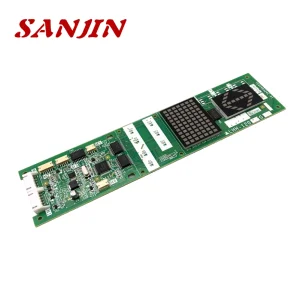
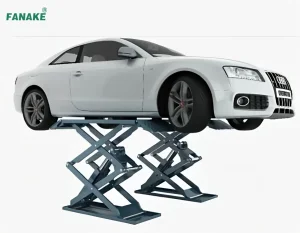
High-quality machine-roomless systems, scissor platforms, escalators, and critical control boards sourced for global modernization programs.
 Ascom Elevator