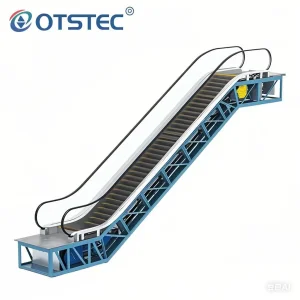
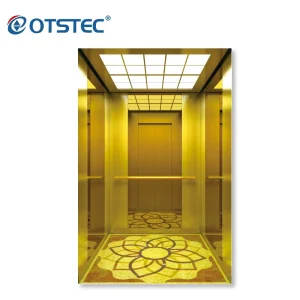
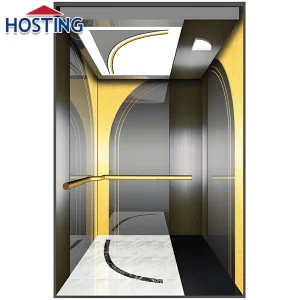
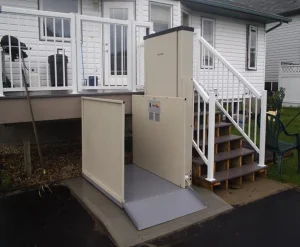
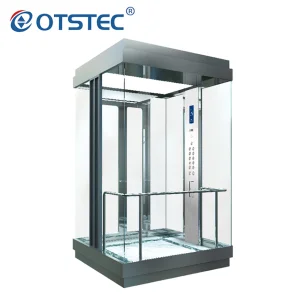
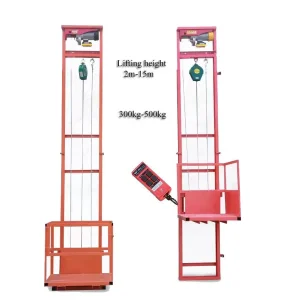
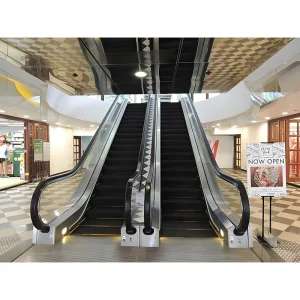
Discover our highly rated selection of passenger elevators, specialized escalators, freight lifters, and genuine maintenance components engineered for durability.
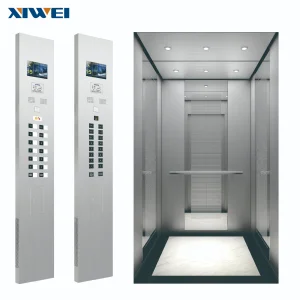
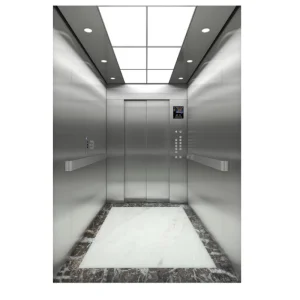
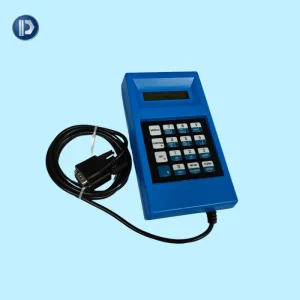

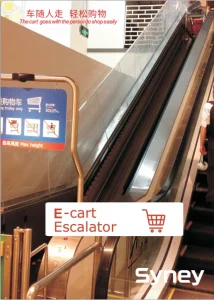
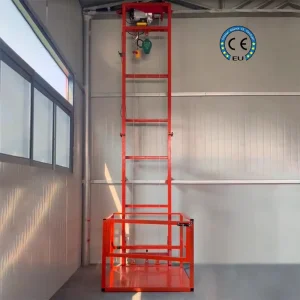
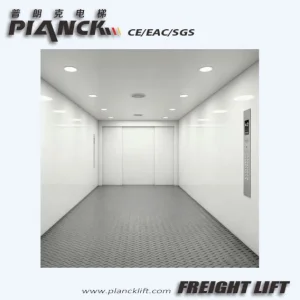
Ascom Elevator is a professional, high-tier elevator overspeed governor manufacturer and supplier in China, partnering with global networks to distribute Fuji Lifts & Elevators. Operating under strict Quality Management protocols, our production covers every aspect of modern vertical transit: Passenger elevators, Home elevators, Sightseeing elevators, Heavy freight elevators, Escalators, and Shopping cart escalators.
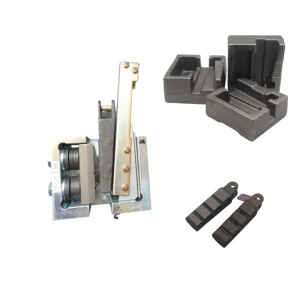
By blending mechanical expertise with modern smart-safety gear, we supply high-performance parts ensuring absolute structural reliability and safety in over 50 countries. Our overspeed governors act as the mechanical brain of elevator emergency brake setups, preventing uncontrolled cab motion instantly.

An In-depth Look at Core Safety Gears, Activation Dynamics, and Global Compliance Standards
The elevator overspeed governor represents the primary failsafe mechanism in modern traction lifts. Acting as a mechanical speed sensor, it is designed to continuously monitor the travel velocity of the elevator car. When the velocity exceeds pre-calibrated limits (typically 115% of the rated speed), the governor triggers an electrical safety circuit to cut power to the drive motor. If the car continues to accelerate due to gravity or rope breakage, the governor mechanically locks the governor rope, actuating the progressive safety gear or instantaneous safety gear mounted on the car frame. This action stops the car safely by clamping the guide rails.
Today, urbanization demands faster, taller, and more efficient skyscrapers. This shifts the performance envelope of safety components. Key trends shaping the global elevator market include:
Certified to EN 81-20/50, ASME A17.1, and GB 7588 international safety norms.
Centrifugal weights balanced on automated CNC systems to guarantee a tripping accuracy tolerance under 1%.
Constructed with premium cast iron or forged steel sheave paths designed for tens of thousands of test-trips without deformation.
How our components adapt to the varying engineering constraints of global regions.
In mega-tall offices, high-speed passenger elevators operate at velocities from 4.0 m/s up to 10.0 m/s. These applications utilize heavy duty, bi-directional overspeed governors equipped with electronic locking solenoids to prevent false trips during aerodynamic buffeting inside the elevator shaft.
At mining sites, oil rigs, and cargo warehouses, elevators are exposed to corrosive marine air, chemical fumes, and abrasive dust. Our industrial governors feature IP65-sealed limit switches, hot-dip galvanized mechanical linkages, and stainless steel cabling to resist rust and failure.
In urban centers where historic buildings are retrofitted with machine-roomless (MRL) passenger lifts, space is highly restricted. Compact, small-diameter governors are installed directly on the guide rails or overhead slabs, reducing overhead clearances while maintaining compliance with local residential safety codes.
Moving beyond basic mechanics towards smart, connected, and predictive elevator safety systems.
Traditional flyball and flywheel designs rely entirely on mechanical centrifugal forces. They remain the baseline safety net, offering high reliability but limited remote diagnostics.
The addition of electrical coils and locking solenoids enables the safety gear to deploy in case of unintended car movement at the landing, fulfilling safety regulations of EN 81-20/50.
Replacing mechanical ropes with digital optical encoders and SIL 3-certified electronic actuators. Systems continuously broadcast health statistics, warning control centers before components fail.

As a leading elevator overspeed governor exporter in China, Ascom Elevator operates within a highly optimized component ecosystem. Our manufacturing base leverages several key advantages:
Engineered for international boundaries with regional certifications and dedicated technician networks.
Exporting life-safety equipment requires a commitment to engineering compliance. Ascom Elevator guarantees that all overspeed governors, safety gears, and traction components are tailored to local jurisdictional safety requirements:
Fully certified for EU installations, featuring unified UCMP systems, anti-slip rope protection, and certified safety-switch linkages.
Calibrated for imperial measurements, utilizing approved electrical contact configurations and meeting strict testing standards.
Ensures optimal compliance with standard high-rise elevator configurations throughout Asian and Pacific regions.
To ensure long-term uptime, we supply complete technical drawing books, dynamic calculation sheets for local architects, and live technical training sessions for installation crews. Additionally, our global logistics centers carry inventory of high-demand spare parts to ensure quick replacements when needed.
Expert technical insights regarding safety gear actuation, regular calibration, and preventative maintenance.
A: As the elevator car accelerates past its safe speed limit, the centrifugal force drives the flyweights outward on the governor. These flyweights engage with mechanical stop pins on the sheave housing, halting its rotation. Because the governor rope is wrapped around the stopped sheave, it stops moving with the descending elevator car. The relative motion between the stationary rope and the falling car triggers a mechanical pull on the safety gear linkage, driving wedges or rollers against the guide rails to halt the elevator.
A: A uni-directional overspeed governor is designed to trigger safety gears only when the elevator is descending. A bi-directional governor, on the other hand, monitors speed in both directions. In the upward direction, it protects against counterweight-driven upward overspeed, triggering a rope brake or safety gear to protect passengers and prevent the car from hitting the overhead structure.
A: Codes like ASME A17.1 and EN 81 require periodic safety testing. Governors must be inspected annually for wear, rope slippage, and rust. Over speed trip calibrations must be verified using a portable tachometer drive wheel at least once every 5 years to verify the mechanical tripping speed matches the specifications on the nameplate.
A: Yes, when fitted with an electromagnetic locking coil or brake solenoid. Modern safety standards require that if the elevator car drifts away from the landing zone with open doors, the elevator controller cuts power to the solenoid coil, causing the governor rope sheave to lock. The resulting relative movement triggers the safety gear to stop the car, preventing accidents.
Explore our diverse portfolio of residential passenger lifts, panoramic glass elevators, stair lifts, and moving walkways.
 Ascom Elevator