Top Trusted Automatic Rescue Device Factories & Suppliers

Empowering Global Elevator Systems with Advanced Solid-State Emergency Power Solutions & Safety Innovation

Featured Elevator & Mobility Systems

Engineered with smart safety architectures and built for high-performance operations across residential, commercial, and industrial scenarios.
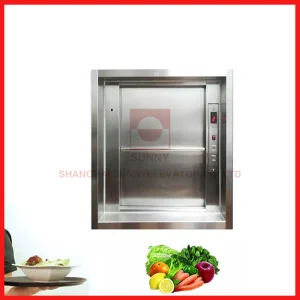
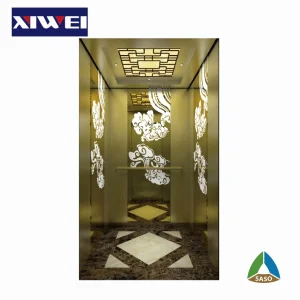
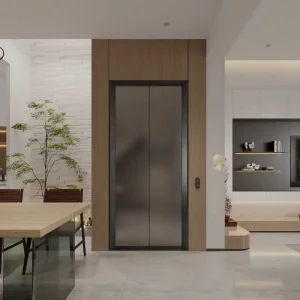
100kg Mini Material Cargo Transfer Dumbwaiter Food Lift Elevator

100kg Mini Material Cargo Transfer Dumbwaiter Food Lift Elevator

Explore Specifications
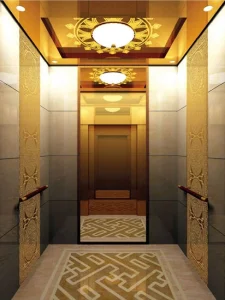
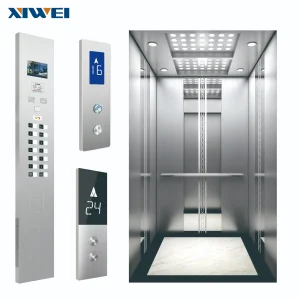
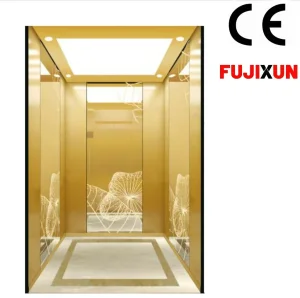
Costomizable Without Attendant Xiwei Container Shipping China Machine Elevator Passenger Elevator

Costomizable Without Attendant Xiwei Container Shipping China Machine Elevator Passenger Elevator-Xw-K014- (3)

Explore Specifications
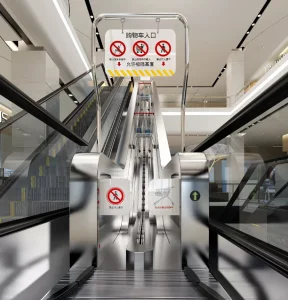
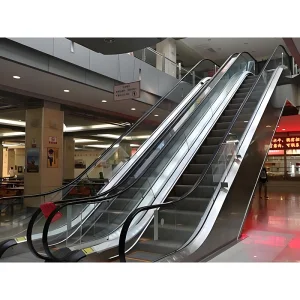
Syney New Arrival Good Quality Trolley Cart Escalator for Hypermarkets

Syney New Arrival Good Quality Trolley Cart Escalator for Hypermarkets

Explore Specifications
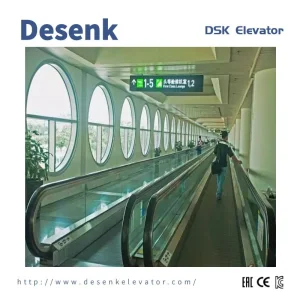
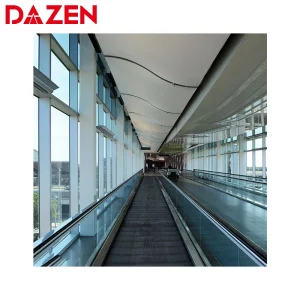
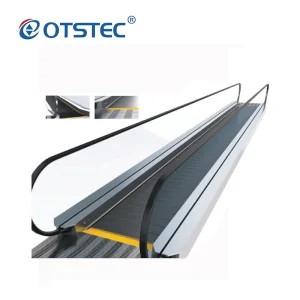
Low Price Energy Saving Moving Walk Cheap Street Walking Moving Sidewalk

Low Price Energy Saving Moving Walk Cheap Street Walking Moving Sidewalk

Explore Specifications
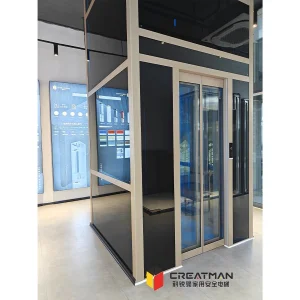
Factory Customizable Passenger Home Lift Elevator

Factory Customizable Passenger Home Lift Elevator Lift Price Round Home Passenger Elevator Stair Lift Without Machine Roomless China Wholesale

Explore Specifications
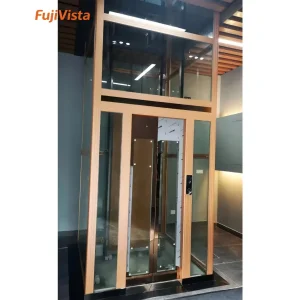
Fujivista Disruptive Stair Lift Passenger Lift Elevator

Fujivista Disruptive Stair Lift Passenger Lift Elevator Home Lift Elevator with Featured Mirrored Panel

Explore Specifications
Exclusive Customization Clear View Sightseeing Intelligent Protection Home Villa Elevator

Professional Team's Exclusive Customization Clear View Sightseeing Intelligent Protection Home Villa Elevator Stair Lift

Explore Specifications
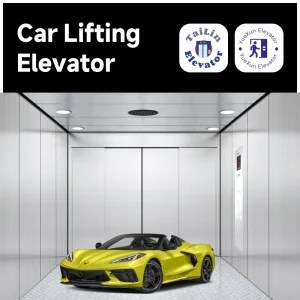
10 Tons Large Space Elevator Lift Passenger Car Elevators

10 Tons Large Space Elevator Lift Passenger Car Elevators 5 Tons Underground Hidden Car Elevator

Explore Specifications

The Vital Role of Automatic Rescue Devices (ARD)

An in-depth analysis of vertical safety technologies and emergency evacuation architectures.

Understanding the Automatic Rescue Device (ARD) Technology

An Automatic Rescue Device (ARD) is a critical emergency electronic unit designed to safeguard elevator operations. In the event of a sudden utility blackout or phase failure, passengers can become trapped in the lift car between floors. A highly responsive ARD immediately assumes control, shifting the power source to its integrated battery backup bank. Utilizing state-of-the-art solid-state microprocessors, the ARD performs critical calculations: it identifies the direction requiring the least mechanical torque (least-load direction path), drives the traction motor to the nearest landing level, and commands the door operator to open safely, allowing passengers to exit without delay.

From an industrial perspective, the integration of ARD systems is no longer a luxury auxiliary upgrade. It has evolved into a baseline standard mandated by national construction rules, municipal engineering directives, and insurance safety policies globally. Modern VVVF (Variable Voltage Variable Frequency) speed governors and direct drive PMSM (Permanent Magnet Synchronous Motors) require high-fidelity pure sine wave power inputs during emergency phases. Leading manufacturing hubs, such as Ascom Elevator's specialized plants in China, have optimized these devices to deliver seamless transitions, minimizing transient voltage surges and securing sensitive elevator controllers.

50+
Global Support Hubs
10000+
Satisfied B2B Clients
< 15s
Emergency Response Time
100%
Safety Standard Compliance

Global Market Drivers & Regulatory Compliance

Rapid high-density urbanization and the proliferation of super-tall skyscrapers present substantial engineering challenges. Municipalities in Asia-Pacific, North America, and Europe have enacted strict legislation detailing emergency evacuation operations. For example, standards such as EN 81-20 / EN 81-50 in Europe and ASME A17.1 in North America explicitly outline the functional mandates for elevator safety components, driving elevator OEMs to include premium ARDs at the factory floor level.

Globally, the market for automatic rescue devices is driven by three main factors:

  • Public Infrastructure Vulnerability: The instability of power grids in rapidly developing regions demands bulletproof local emergency systems to keep hospitals, transit hubs, and corporate parks operational.
  • Aging Building Retrofits: Older elevators lacking smart controllers require external, retrofitted ARDs to protect occupants from unexpected power failures.
  • Smart Building Integration: Intelligent offices require all elevator safety components to report diagnostics directly to Building Management Systems (BMS) via protocols like Modbus or BACnet.

Technical Roadmap & Engineering Architecture

Exploring the electrical logic, battery management, and smart controllers of industrial-grade ARDs.

An industrial-grade Automatic Rescue Device functions through complex coordination between electrical logic, power conversion systems, and smart sensor networks. Below, we examine the typical functional steps of a modern ARD during a main power failure:

Phase Functional Description Subsystem Active Time Duration
1. Detection Sensors detect utility phase loss, under-voltage, or complete blackout. The primary relay triggers safety lockdowns. Voltage Sensor, Main Control MCU < 1.5 seconds
2. Isolation The elevator is safely isolated from the main grid to prevent hazard feedback when power returns. Mechanical Interlocks, Isolation Contactors < 3.0 seconds
3. Evaluation ARD measures current in both up and down directions to calculate the lower load path. Load-Sensing Algorithm, VVVF Drive Interface 2 - 4 seconds
4. Traction Power is drawn from batteries to drive the traction motor at rescue speed towards the target landing. Battery Bank, DC-AC Inverter Module 10 - 30 seconds
5. Door Release Upon reaching the floor sensor, the ARD sends an unlock and door-open command, releasing passengers. Door Operator Interface, Leveling Switches 5 - 10 seconds

VVVF Integration

Modern ARDs seamlessly coordinate with Variable Voltage Variable Frequency drives, controlling starting currents to protect traction motors and system components.

🔋

Advanced Battery Control

Features intelligent dual-mode charging, thermal regulation, and automatic deep discharge protection, keeping the battery bank ready for any emergency.

📡

IoT Diagnostics

Provides remote system status telemetry, real-time battery monitoring, and automated test reports via RS485 or CAN bus protocols.

Key Technological Breakthroughs in Modern ARD

Historical ARD systems suffered from short battery life, high failure rates, and rough operation. Modern engineering has resolved these issues through several key breakthroughs:

  • Pure Sine Wave Output: Inverters now produce pure sine waves with less than 3% total harmonic distortion (THD). This provides clean power to high-sensitivity elevator control computers, preventing software corruption during emergency rescues.
  • Lithium Iron Phosphate (LiFePO4) Battery Transition: While traditional lead-acid batteries remain common due to low cost, modern facilities offer LiFePO4 configurations. These batteries provide longer lifespans (up to 10 years), lighter weights, and better thermal stability in hot machine rooms.
  • Vector Control Drive Modules: ARDs can interface directly with closed-loop vector systems. This allows the system to read encoder feedback, ensuring smooth acceleration and deceleration curves that mimic normal elevator operation.

Macro Industry Solutions & Local Applications

Customized emergency evacuation configurations designed for diverse building environments.

1. Healthcare & Hospital Facilities

In medical clinics and emergency trauma centers, transport delays can be life-threatening. Patient elevators carrying stretchers, oxygen support systems, and medical teams require immediate and reliable rescue support. Hospital elevator systems are designed with high-capacity ARDs capable of handling heavy loads (up to 2500kg or more) and driving elevator cars quickly to the nearest floor. They are also integrated directly into the hospital's priority controls, ensuring rescue systems prioritize designated medical floors when emergency power is activated.

2. High-Traffic Retail & Hypermarkets

Hypermarkets, shopping complexes, and transit airports use vertical systems, including moving walkways and shopping cart escalators, alongside passenger elevators. If a power outage occurs on a busy escalator or moving walk, the sudden stop can cause falls and injuries. ARD solutions for commercial spaces feature controlled regenerative braking, bringing escalators to a smooth, gradual stop rather than a sudden halt. Simultaneously, adjacent elevators are brought to the nearest floor to prevent trapping large numbers of shoppers.

3. High-Density Residential Complexes

Modern apartment buildings often operate without round-the-clock maintenance staff. If a resident becomes trapped late at night, rescue times can be long. For these buildings, cost-efficiency and high reliability are critical. Modern home and residential elevators feature compact, cabinet-integrated ARD devices. These systems run automatic self-diagnostic routines weekly, ensuring the backup power supplies are fully operational without requiring frequent manual inspections.

Ascom Elevator - Custom Lifts That Suit Your Need

Ascom Elevator is a professional Elevators Manufacturer and Supplier in China, providing premium Fuji Lifts & Elevators. Our comprehensive product range covers Passenger elevators, Home elevators, Sightseeing elevators, Cargo elevators, Escalators, Shopping cart escalators, and more.

Technical & Procurement Q&A (FAQ)

Expert answers to common technical, compliance, and customization questions from engineering and procurement managers.

1. How does an Automatic Rescue Device (ARD) differ from an Elevator UPS?
An Elevator UPS (Uninterruptible Power Supply) provides continuous power to keep the elevator fully operational under normal load conditions for a limited time. An ARD is a specialized emergency rescue system. It activates only during a power failure, bypassing normal operation to quickly move the lift car to the nearest floor at a slower speed (rescue speed), open the doors, and shut down safely. This design is highly cost-effective and focuses purely on passenger safety.
2. Can an ARD be retrofitted to older elevator systems?
Yes. Modern ARDs are designed with flexible control interfaces that can be retrofitted to older elevators. As long as there is physical space in the control cabinet or machine room to house the batteries and inverter components, the ARD can interface with older relay-based or early VVVF controllers. This upgrade significantly improves building safety compliance.
3. What is the typical lifespan of the batteries used in ARDs, and how are they maintained?
Traditional Sealed Lead-Acid (SLA) batteries typically last between 2 and 3 years, depending on ambient room temperature and cycle frequency. High-performance Lithium Iron Phosphate (LiFePO4) battery upgrades can last 8 to 10 years. Modern ARDs include automated diagnostic systems that run weekly self-test cycles. These systems monitor voltage drops and report battery health alerts directly to the building manager.
4. How does the ARD select the direction of rescue travel?
The ARD uses a "least-load direction path" algorithm. When a power failure occurs, the device measures the current required to move the elevator car briefly in both directions. It then drives the car in the direction that requires the least electrical torque (for example, moving an empty car up, or a loaded car down), which conserves battery power.
5. Are Ascom Elevator ARD solutions certified for international projects?
Yes. All emergency systems, controllers, and rescue units manufactured by Ascom Elevator carry CE certification. They comply with major international lift codes, including the European standard EN 81-20/50 and relevant sections of ASME A17.1, ensuring smooth installation and regulatory approval worldwide.

Browse Our Complete Product Range

High-quality, certified passenger elevators, escalators, and moving walks for public and commercial projects.
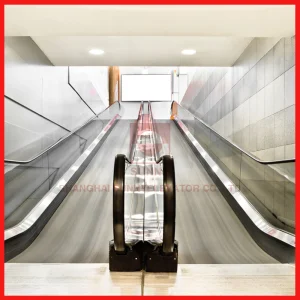
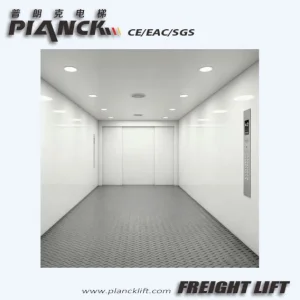
Ce Airport Safety VVVF Moving Walk

Ce Airport Sately with Vvvf Moving Walk

Explore Specifications
Durable Shaftless VVVF Freight Lift

Durable Safe Stable Traction Shaftless Vvvf Freight Lift for Supermarkets

Explore Specifications
Energy Saving Moving Walk Fuji Elevator CE

Energy Saving Advanced Moving Walk of China Elevator Manufacturer FUJI Elevator Brand with CE

Explore Specifications
Home Elevator Lift CE Safety Passenger Elevator

Home Elevator Lift CE Safety Small Home Elevator 320kg~400kg Passenger Elevator

Explore Specifications
FUJI Xun Elevator Parts Residential Commercial Lift

FUJI Xun Elevator Parts Residential Commercial Lift Parts Sightseeing Home Elevator

Explore Specifications
Smart Home Elevator Auto Rescue Device

Smart Home Elevator with Ard: Auto Rescue Device Ensures No Passenger Trapping, Silent Operation, Perfect for Family

Explore Specifications
China Manufacturer Automatic Commercial Escalator CE Certification

China Manufacturer Vvvf Control Factory Price Automatic Commercial Escalator with CE Certification

Explore Specifications
VVVF Drive Escalators for Airport

Vvvf Drive Shopping Carts Escalators Elevator Escalator for Airport

Explore Specifications