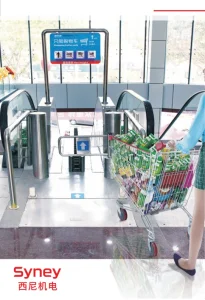
Direct factory supply solutions customized for heavy commercial applications in Swakopmund, Windhoek, and regional SADC trade corridors.
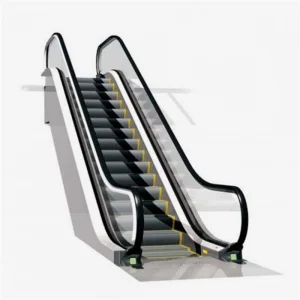
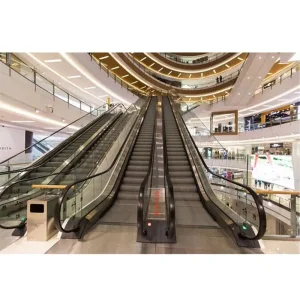
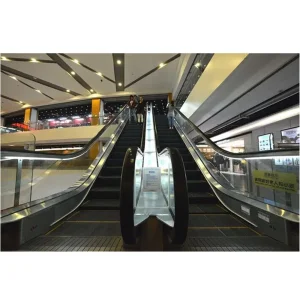
Over the last decade, Namibia's retail and commercial real estate development has entered an era of rapid transformation. As urbanization in Windhoek, Walvis Bay, and Swakopmund dynamic nodes drives up land values, developers are abandoning the traditional sprawling single-story strip mall model in favor of multi-level mixed-use developments. This structural shift highlights a critical engineering demand: the integration of reliable and safe shopping cart escalators (also known as inclined moving walks or trolley escalators).
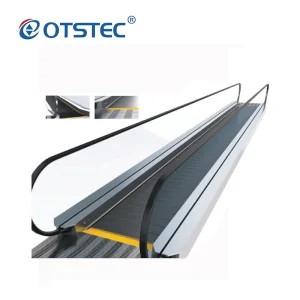
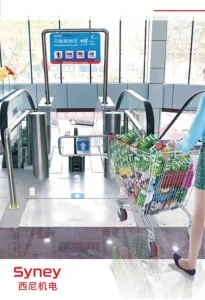
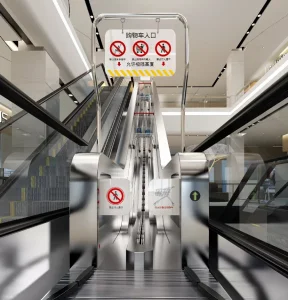
Namibia's retail environment is dominated by major local chains and South African anchor tenants like Shoprite, Pick n Pay, and Woermann Brock. Multi-level shopping environments like Windhoek's Grove Mall or Wernhil Park necessitate seamless flow of human traffic carrying high-volume commercial groceries and retail goods. The transition from one level to another while managing heavy shopping trolleys presents a significant risk profile if standard escalators are used. Modern compliance dictates the deployment of dedicated Shopping Cart Escalators that lock the wheels of custom trolleys into the track, preventing rollbacks and ensuring passenger stability.
Furthermore, local coastal conditions in Walvis Bay and Swakopmund bring high salt humidity. Standard steel configurations degrade rapidly, highlighting the requirement for marine-grade structural stainless steel (S.S 304 or 316) for balustrades and skirt panels.
Elevator and escalator installations in Namibia must conform to local building regulations under the municipal codes of Windhoek and the national safety framework. Most projects specify standards harmonized with the European standard EN 115 and the South African National Standards (SANS 10400). Our factory-produced systems feature 21 independent safety relays, real-time VVVF drive microchips, and auxiliary braking systems that comply directly with these stringent codes.
Many procurement managers in Africa face a choice between expensive European-branded OEMs and unknown manufacturers. Partnering with a premier Chinese exporter like Ascom Elevator offers a crucial competitive advantage:
Custom Lifts That Suit Your Need. A global leader in elevator and escalator technology.
Ascom Elevator is a professional Elevators Manufacturers and Suppliers in China, Fuji Lifts & Elevators. Our company mainly covers Passenger elevator, Home elevator, Sightseeing elevator, Cargo elevator, Escalator, Shopping cart escalator... We pride ourselves on delivering robust, high-performance machinery globally.
Ensuring reliable public safety across diverse environments.
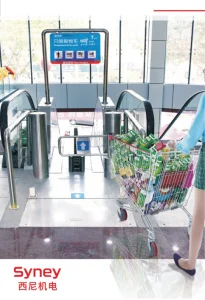
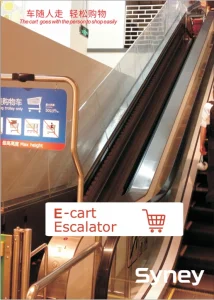
For supermarket complexes featuring dual levels, shopping cart escalators keep consumers inside the shopping perimeter. By enabling direct movement of trolley carts from subterranean parking levels straight to retail checkout areas, supermarkets experience a 20-30% increase in average ticket sizes.
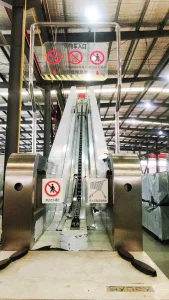
Our escalators feature magnetic cart retention channels which automatically secure cart wheels upon entry onto the belt step. The mechanism unlocks only when the step aligns flush with the comb plates at exit points.
Wholesale distribution centers operating in Namibia's transport nodes (like Rundu or Oshakati) handle high payload volumes. Workers move pallets and bulk carts up and down mezzanine inventory floors. Standard elevators create logjams; shopping cart escalators facilitate a continuous, uninterrupted line of material flow.
When importing vertical mobility systems, local engineers should specify structural details to prevent premature mechanical fatigue:
Choose between standard 10° or 12° degree inclinations based on spatial constraints. Steeper inclines reduce floor space but require higher motor power ratings to ensure consistent speed under load.
Look for reinforced high-tensile carbon alloy chains. In environments with temperature fluctuations, pre-stretched chains prevent step misalignment and reduce structural vibration.
Integrated modular microcontrollers (like Fuji or STEP brands) support remote diagnostics and interface with building management systems via Ethernet or Modbus protocols.
Technical details and project planning FAQs answered by Ascom Elevator's Engineering Team.
Full list of factory-direct retail models available for import and distribution in regional markets.
 Ascom Elevator