Explore our foundational range of CE-certified vertical lift platforms, designed specifically to operate under demanding tropical microclimates and heavy industrial loading cycles.
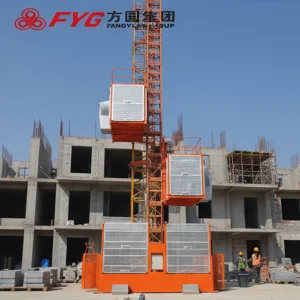
Ascom Elevator stands as a premier global designer, manufacturer, and supplier of heavy-duty vertical transport systems. Utilizing industry-leading manufacturing systems, we deliver bespoke passenger, home, panoramic, cargo, and specialized heavy-duty freight elevators designed to withstand the rigors of coastal corrosion and high-cycle industrial loading.
Our collaborative design methodology aligns closely with global safety frameworks, including the European Standard EN 81-20/50 and ASME A17.1. We deliver engineering certainty to developers and contractors operating in emerging maritime hubs throughout West Africa.

Analyzing localized logistical shifts and climatic constraints shaping high-capacity vertical transport demands.
Equatorial Guinea, centered around the administrative capital of Malabo on Bioko Island and the continental logistical economic engine of Bata, presents unique geological, climatic, and structural constraints for vertical transport infrastructure. The rapid expansion of maritime freight hubs, such as the Port of Bata and Luba Freeport, has driven critical demand for localized high-tonnage freight elevators capable of handling continuous operations in high-humidity, high-salinity zones.
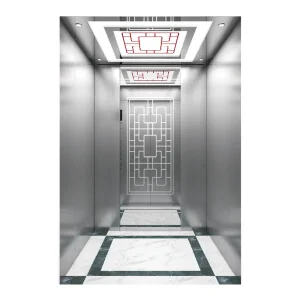
Standard off-the-shelf lifting equipment frequently suffers rapid deterioration in these regions due to salt-spray corrosion and tropical humidity. Mechanical structural integrity can degrade within years if not protected with specialized surface treatments. Ascom Elevator addresses this structural challenge through tailored localized integration: implementing high-grade hot-dip galvanized mechanical elements, marine-grade stainless steel cabin paneling, and IP-rated electrical components resistant to condensation and dust intrusion.
Furthermore, as public and private investments shift towards mixed-use commercial developments (such as the Malabo II government and business zone), architects and structural engineers are increasingly requiring Machine Room-Less (MRL) heavy traction elevator configurations. These configurations reduce spatial footprint constraints while providing the high lifting speeds and duty cycles necessary to maintain smooth high-rise cargo flow.
How modern cargo logistics are leveraging smart engineering to maximize safety, optimize power usage, and extend equipment lifespans.
By capturing the gravitational energy generated during empty-upward or heavy-downward cycles, our integrated regenerative VVVF systems convert excess kinetic energy back into electrical power, lowering total building energy consumption by up to 30%.
For chemical depots and offshore petro-industrial operations in the Malabo or Bata Gulf sectors, our specialized ATEX-compliant hydraulic and traction solutions prevent spark propagation in hazardous environments.
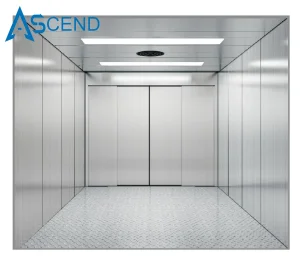
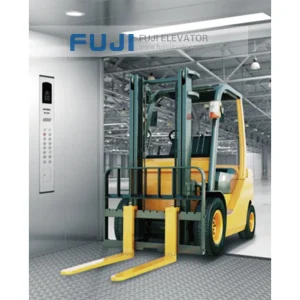
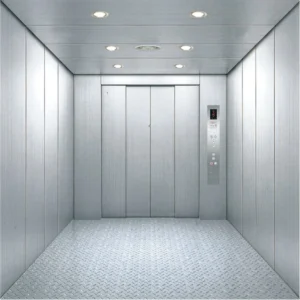
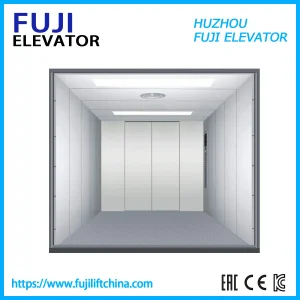
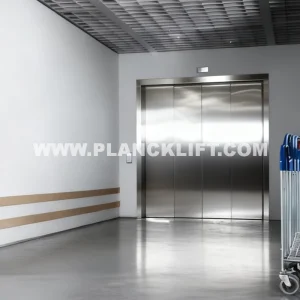
Industrial cargo handling demands cabins that resist floor warping during forklift operations. Our freight elevators feature reinforced platforms designed to handle concentrated point-loads exceeding standard structural regulations.
Access our comprehensive product line, developed to support infrastructure and building designs across West Africa.
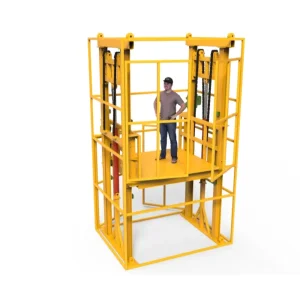
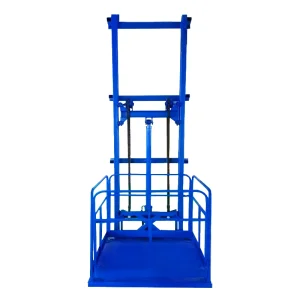
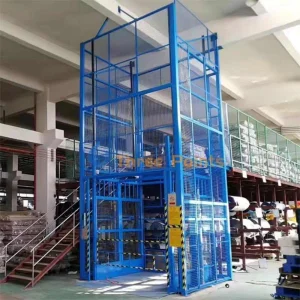
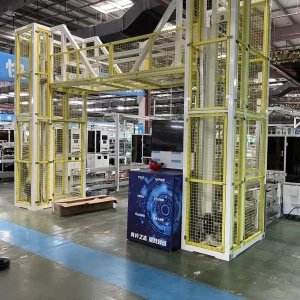
Select from our customized range of industrial rail elevators, hydraulic scissor cargo platforms, and heavy passenger-freight logistics hoists.
Detailed technical answers addressing local operational parameters, global compliance metrics, and building safety requirements.
Partner with Ascom Lifts to access custom engineering, global safety certification, and end-to-end shipping support to Bata and Malabo ports.
Send Inquiry Now Ascom Elevator