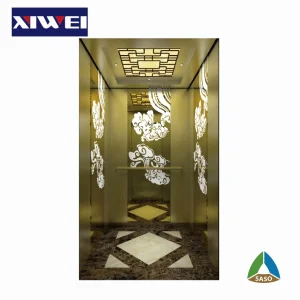
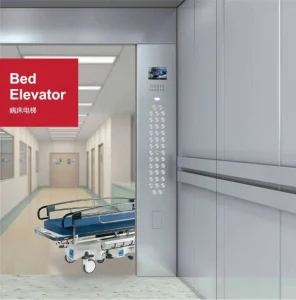
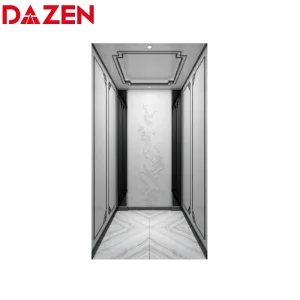
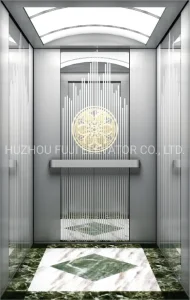
OEM/ODM Panoramic Elevator Factory & Suppliers

Premium Architectural Observation Elevators Tailored for Commercial Landmarks, Luxury Residences, and Transit Systems Worldwide

50+
Global Locations & Hubs
10000+
Satisfied Global Customers
15+
Years Manufacturing Mastery
100%
EN 81 & SGS Compliant

1. The Global Landscape of Panoramic Vertical Transportation

Panoramic and observation elevators represent the convergence of architectural aesthetics and cutting-edge mechanical engineering. In contemporary commercial buildings, retail hubs, transit terminals, and luxury villas, observation elevators are no longer merely transport devices; they serve as dynamic design elements that elevate property value and user experience.

"According to modern urban design analytics, properties integrating premium panoramic observation lifts report up to a 20% increase in aesthetic satisfaction and tenant retention. Modern vertical transport demands smart, transparent cabin structures integrated with VVVF energy-saving drives."

From airport terminals requiring heavy-duty passenger flows to high-end residential duplexes needing silent vacuum-driven technology, the diversity of global applications dictates highly specialized configurations. The procurement of these systems requires an in-depth understanding of building wind-loads, structural seismic calculations, glass mechanical limits, and specialized heat dissipation designs inside the observation shafts.

2. The Strategic Advantage of China's OEM/ODM Vertical Supply Chain

China has established itself as the global epicentre for elevator manufacturing, housing advanced factories that process thousands of custom layouts yearly. Collaborating with an OEM/ODM partner like Ascom Elevator allows developers and distributors to access premium quality without prohibitive budgets.

Advanced Robotics & Automation

State-of-the-art CNC lasers and robotic welding stations maintain precision cuts down to 0.1mm, ensuring flawless glass-to-metal alignment for sightseeing cabins.

Compliance & Certification

Production processes strictly adhere to ISO 9001, CE, SGS, and the rigorous EN 81-20/50 elevator directives, guaranteeing safe operability across continents.

Massive Supply Optimization

Proximity to steel producers, raw glass processors, and micro-controller assembly lines allows us to pass down substantial cost efficiencies directly to the buyer.

3. Customization Capability & Engineering Parameters

A high-quality panoramic elevator requires custom configurations to fit varying structural shafts. Whether installing a semi-circular car, a rectangular glass cage, or a completely custom polygonal design, the choice of materials, gearless traction systems, and VVVF controls makes a significant operational difference.

Parameters Standard Configuration Optional / Custom (ODM) Solutions
Drive System Permanent Magnet Synchronous Gearless (PM) Hydraulic Drive / Machine Room-Less (MRL) Traction
Load Capacity 630kg, 800kg, 1000kg Custom Heavy Duty: 1250kg up to 2500kg (Freight/Hospital)
Speed Rating 1.0 m/s - 1.75 m/s High-Speed Options: 2.0 m/s to 4.0 m/s
Cabin Glass 8mm+8mm Laminated Safety Glass Low-E Tempered, Curved Architectural Glass with UV Block
Door Mechanisms Center Opening VVVF Glass Door Side Opening / Multi-Panel Telescopic Glass Doors
Monitoring Systems Standard Safety Interlock IoT Real-Time Predictive Diagnostics, AI Passenger Analytics

4. Localized Application Scenarios

To address the diverse architectural requirements of global markets, we tailor our solutions to several specific application environments:

  • Luxury Shopping Malls & Retail Hubs: Large capacity, continuous duty-cycles, fully-transparent cabins with high-frequency cooling systems to prevent heat traps from atrium solar loads.
  • Villas & Residential Estates: Low noise operation, compact footprints with minimal pit depths, elegant single-phase options, and specialized vacuum or quiet hydraulic systems.
  • Medical and Care Facilities: Smooth deceleration curves, extended door-open durations, wide structural clearances for stretchers and wheel-chairs, combined with panoramic viewing panes for patients.
  • Transit Stations and Hubs: Weather-resistant cabins with heavy-duty guide rails, IP-rated electronic enclosures, and robust security integrations to handle round-the-clock public crowds.

Explore Our Comprehensive Product Categories

Custom Lifts That Suit Your Needs - From Industrial Freight Systems to Exquisite Glass Observation Cabins

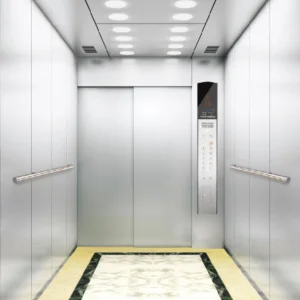
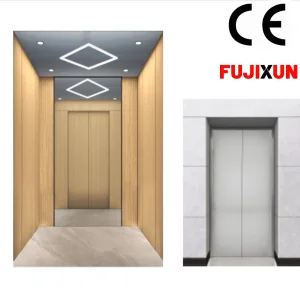
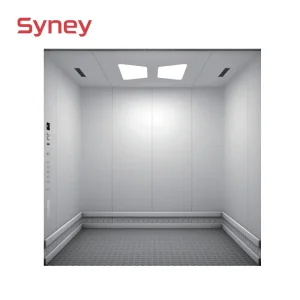
Passenger Elevator

Passenger Elevator

View more →
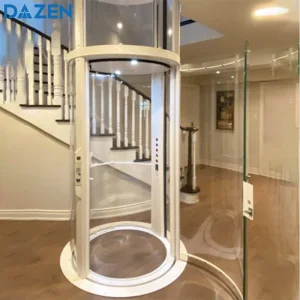
Home Elevator

Home Elevator

View more →
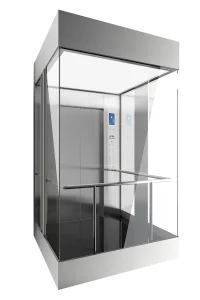
Panoramic Elevator

Panoramic Elevator

View more →
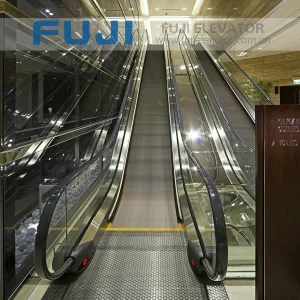
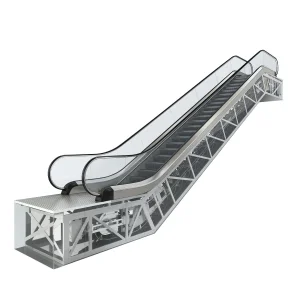
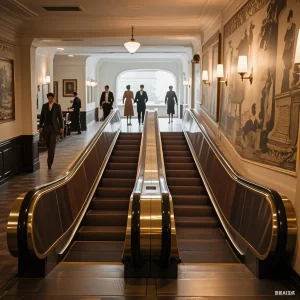
Escalator

Escalator

View more →
Shopping Cart Escalator

Shopping Cart Escalator

View more →
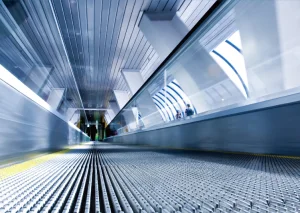
Moving Walk

Moving Walk

View more →
Hospital Elevator

Hospital Elevator

View more →
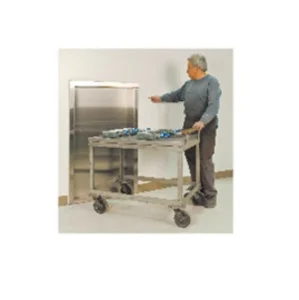
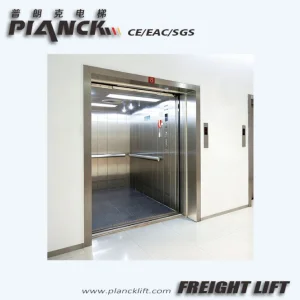
Freight Elevator

Freight Elevator

View more →
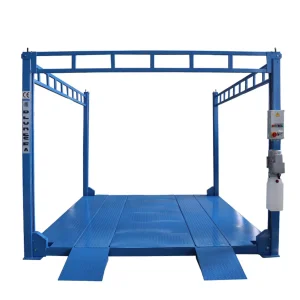
Car Elevator

Car Elevator

View more →

5. Emerging Industry Trends in Panoramic Elevator Technology

The global elevator market is rapidly transitioning towards green, smart, and energy-conscious designs. In the sightseeing elevator segment, three primary trends dominate current engineering R&D:

  1. Regenerative Drives (Green Energy Recycling): Instead of dissipating energy as waste heat during deceleration or downward travels, smart regenerative systems feed the generated electricity back into the building's electrical grid, slashing operational utility costs by up to 30%.
  2. Invisible Structural Framing: Modern architectural designs require minimal visual obstruction. Advanced structural engineers utilize high-strength adhesives and flush structural joints to reduce visible frame lines, giving passengers a floating illusion.
  3. IoT and AI Predictive Maintenance: Incorporating sensory arrays along the guide rails, safety gear, and door drives allows remote monitoring systems to flag abnormalities before they trigger shutdowns. This reduces elevator down-times by up to 50% for high-traffic commercial buildings.

6. Procurement Guide for Global Developers and Distributors

Sourcing customizable observation lifts from China involves systematic verification of the supplier's engineering capability. Here is the recommended verification checklist for international buyers:

  • Verification of Dynamic Simulation Tests: Ensure the factory runs structural dynamic models for high-rise shafts to calculate deflection and wind vibrations.
  • Review of Glass Panel Impact Certificates: The safety glass must hold EN 12600 certificates (pendulum testing) and demonstrate adequate thermal stress resistance, particularly in external architectural shafts.
  • SGS / TUV Factory Audits: Always verify that the facility maintains clean, organized manufacturing bays with fully-calibrated measuring instruments and documented quality logs.
  • Integration of Spares & After-Sales Support: Choose partners who supply original system parts and provide comprehensive technical manuals along with remote electrical debugging support.

7. FAQ: Key Technical & Procurement Questions Answered

Can panoramic elevators be installed externally on existing building structures?
Yes, panoramic elevators are highly suitable for external retrofitting. We engineer custom steel structures or glass shafts that anchor directly to the building exterior. Specialized considerations are made for waterproofing, insulation, and wind load ratings.
What type of safety glass is utilized in the cabin and door panels?
We strictly use multi-layered laminated safety glass (typically 8mm+1.52pvb+8mm or thicker) that complies with global building codes. In the event of an impact, the glass cracks but is securely held together by the PVB interlayer, preventing cabin penetration.
How do you prevent the cabin greenhouse effect under direct solar radiation?
We implement Low-E coated glass panels to block solar heat gains. Additionally, high-efficiency, localized ventilation and specialized air conditioning systems are integrated into the overhead structural frame to regulate temperature seamlessly.
What standards do your elevators comply with for the European and American markets?
Our elevators are certified under EN 81-20/50 regulations for European and global markets. We also configure control and safety units to align with ASME A17.1 codes for installations in North American regions.
Do you provide custom design services for irregular architectural shafts?
Yes, our ODM design department specializes in unique architectural layouts. We produce complete 3D mechanical drawings and structural analysis reports for curved, diamond-shaped, circular, and polygonal sightseeing cabins.
What is the typical lead time for custom OEM orders?
Typical lead times range from 30 to 45 days from the final approval of structural design drawings and the receipt of deposit. This includes rigorous in-factory pre-assembly and safety system testing before packing.