Discover our highly sought-after industrial-grade elevators, escalators, and key mechanical components engineered for maximum longevity.
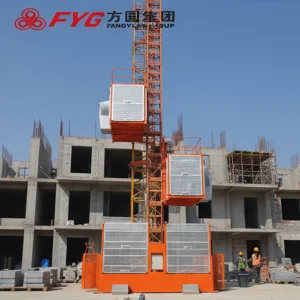
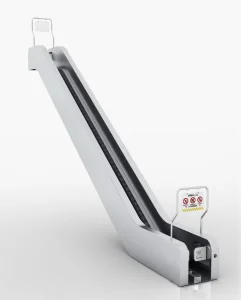
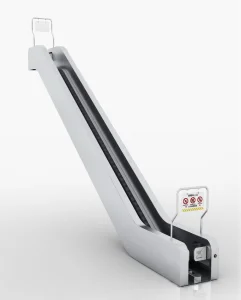
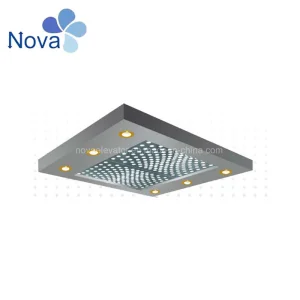
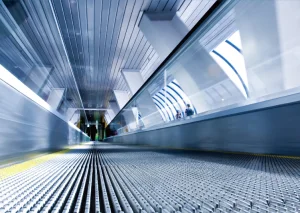
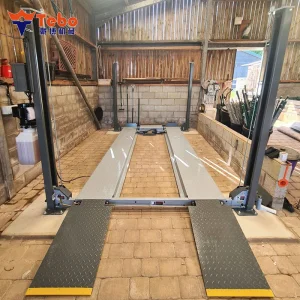
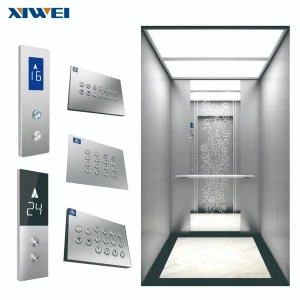
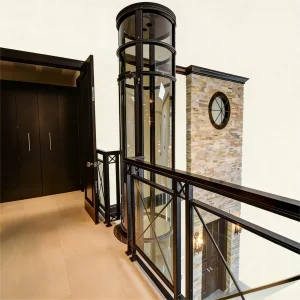
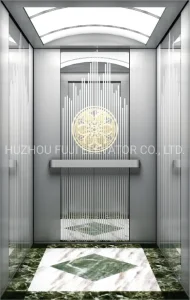
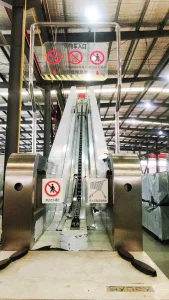
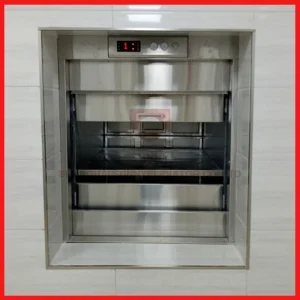
Ascom Elevator is a professional, technology-led Elevators Manufacturer and Supplier in China. Specializing in high-standard manufacturing of Fuji Lifts & Elevators, our industrial footprint spans across comprehensive design, prototyping, testing, and component logistics. Our engineering capabilities cover Passenger elevators, Home elevators, Sightseeing elevators, Cargo elevators, Escalators, and Shopping cart escalators.
With a focus on systemic reliability, Ascom manufactures crucial components including elevator guide shoes, safety gears, speed governors, and door operators. By combining structural dynamics, advanced polymer engineering, and robust metal fabrication, we guarantee absolute ride quality and strict compliance with national and international elevator standards.
An authoritative guide to mechanical design, material science, dynamics, and global sourcing paradigms in modern vertical transit systems.
In modern elevator structural engineering, the elevator guide shoe serves as the physical interface between the car frame (and counterweight frame) and the structural guide rails. Its mechanical function is to limit lateral displacement, minimize torsional vibrations, and ensure that the elevator cabin moves strictly along the vertical path. By doing so, it isolates the car structure from the small geometric misalignments inherent in structural hoistway guide rails.
Engineers typically categorize guide shoes into two distinct typologies: sliding guide shoes and roller guide shoes. The selection between these categories depends heavily on rated load, travel velocity, and targeted ride comfort parameters (ISO 18738).
| Performance Variable | Sliding Guide Shoes (Lubricated / Dry) | Roller Guide Shoes (Polyurethane Rollers) |
|---|---|---|
| Rated Speed Limit | Typically ≤ 2.5 m/s (Low to Medium Speed) | Up to 10.0+ m/s (High Speed & Ultra-High Speed) |
| Frictional Characteristics | Sliding friction (Higher drag, requires lubrication) | Rolling friction (Extremely low energy loss) |
| Maintenance Profile | High frequency (Requires oiler maintenance & insert replacement) | Low frequency (Long-life roller bearings & PU materials) |
| Vibration Damping | Moderate (Relies solely on elastomeric inserts) | Superior (Adjustable spring suspension & oil dampers) |
| Best Applications | Residential buildings, freight lifts, dumbwaiters | High-rise office towers, hospitals, heavy car elevators |
Sliding Guide Shoes: These units utilize a sacrificial, low-friction slider insert (usually made of nylon, polyurethane, or sintered bronze) encased in a cast iron or structural steel housing. For low-speed passenger elevators and freight lifts operating at velocities under 2.0 m/s, sliding guide shoes are the most cost-effective solution. However, to keep friction coefficients low and prevent rapid wear, automatic oil lubricators must constantly coat the guide rails.
Roller Guide Shoes: For passenger elevators operating in high-speed, high-rise, or high-capacity environments, roller guide shoes are indispensable. These assemblies feature three or more roller wheels clad in highly resilient polyurethane. Each roller is integrated with precision ball bearings and mounted on a spring-loaded swing-arm assembly. This configuration absorbs lateral force fluctuations caused by passenger movements, structural sway, and rail joints, ensuring a smooth ride.
The global elevator industry is targeting taller buildings and faster speeds, driving research into new materials for guide components. The technology roadmap for elevator guide shoes focuses on three primary developments:
Traditional rollers degrade under high mechanical loads and temperature spikes. Next-generation rollers use carbon nanotube-reinforced polyurethane to prevent flat spots, reduce rolling resistance, and increase service life by up to 200% under heavy loads.
Moving beyond passive springs, active guide shoes utilize electromagnetic actuators controlled by real-time accelerometers. These actuators counteract high-frequency lateral forces in real time, keeping cabin vibrations below 10 mg (milli-g).
By embedding micro-sensors into the guide shoe inserts, operators can monitor real-time pressure, wear depth, and temperature. This data is transmitted to cloud maintenance suites, shifting service from scheduled routines to predictive intervals.
Ascom is investing heavily in researching self-lubricating polymer compounds that eliminate the need for oil on guide rails. This advance reduces the cleaning workload in the elevator shaft and eliminates oil runoff in the pit, helping developers achieve LEED and BREEAM green building certifications.
Elevator engineering is highly contextual. A component that performs perfectly in a low-rise residential building will fail in a heavy-duty industrial mine shaft or a wind-swayed skyscraper. Elevator guide shoes must be engineered to address specific environmental stresses:
High-Rise Buildings & Wind Sway: Supertall buildings sway under wind pressure, displacing the elevator rails from their vertical alignment. Standard guide shoes can bottom out or slip off the rails under these conditions. To counter this, Ascom develops heavy-duty roller guide shoes featuring extra-deep mechanical side retention and dual-stage dampening. This ensures the elevator stays on track even during high-sway events.
Seismic Zone Specifications: In earthquake-prone areas, building codes mandate seismic-rated guide retainers. These heavy-duty steel brackets are integrated directly with the guide shoe housing. In a seismic event, if the roller or sliding insert fails, the high-strength steel retainer safely grips the rail, preventing the car from derailing and protecting passengers.
Corrosive Industrial Environments: Marine installations, oil rigs, chemical plants, and mines require corrosion-resistant components. For these applications, Ascom manufactures guide shoes using hot-dip galvanized castings, marine-grade stainless steel fasteners, and specialized polyurethane wheels designed to resist oil and chemical degradation.
China's manufacturing sector has evolved from a low-cost assembly hub into a leader in high-precision, automated manufacturing. The Ascom production facility utilizes Factory 4.0 systems to maintain strict quality standards while minimizing manufacturing lead times.
Our automated metal-casting lines use advanced computerized simulations to eliminate internal voids in guide shoe bodies. Once cast, the housings are processed on high-speed CNC milling machines, maintaining critical installation dimensions within a tolerance of ±0.02 mm. This level of precision is necessary to prevent high-frequency vibrations when the elevator is running at speed.
Additionally, our polyurethane curing lines are fully automated. Chemical ratios, moisture levels, and curing temperatures are monitored by computers in real-time. This precise process control ensures that every roller wheel maintains consistent hardness, elasticity, and load capacity.
Located near major shipping ports like Shanghai and Ningbo, our facility benefits from streamlined logistics and a mature local raw material supply chain. This configuration protects global buyers from price spikes and supply disruptions, ensuring reliable deliveries and competitive pricing.
International building codes and safety regulations mean that elevator parts must be certified to local standards before installation. Ascom ensures its products comply with all major international frameworks:
To support our global customers, Ascom maintains an experienced multilingual engineering support team. From the initial inquiry through to mechanical installation, we provide detailed technical drawings, 3D CAD files, load calculations, and installation guides in English, Spanish, Russian, and French.
For elevator OEMs, distributors, and maintenance providers, procuring guide shoes and spare parts is a balance of unit cost, shipping efficiency, and long-term durability. A cheap guide shoe that fails after six months can lead to high labor costs and tenant complaints.
When evaluating suppliers, buyers should look for comprehensive test documentation, including:
By sourcing directly from Ascom, global buyers work with a manufacturer that controls the entire production cycle, from casting to final quality control. This direct supply model reduces markup costs and ensures reliable engineering support, helping to lower the total cost of ownership.
Technical support, diagnostic insights, and procurement answers from Ascom's engineering department.
Our comprehensive export inventory, manufactured to meet global industrial standards and delivered with full technical documentation.
 Ascom Elevator


