Engineered for compliance, passenger safety, and high-traffic efficiency. Direct-from-factory sourcing for international infrastructure projects.
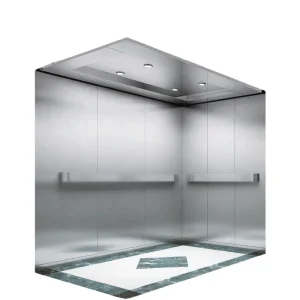
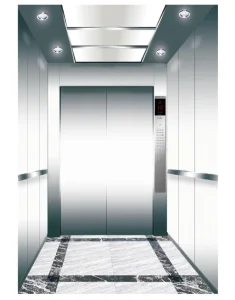
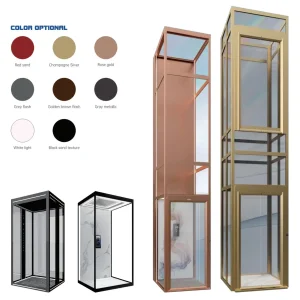
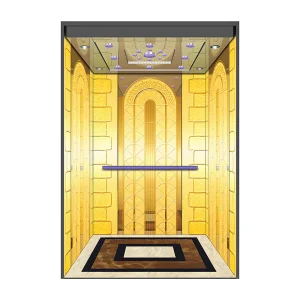
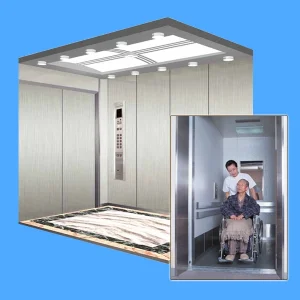
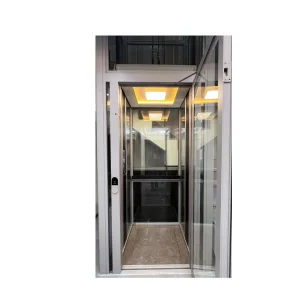
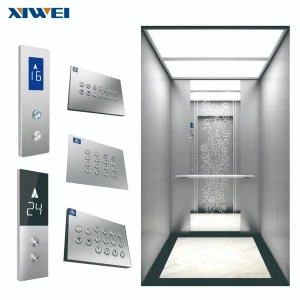
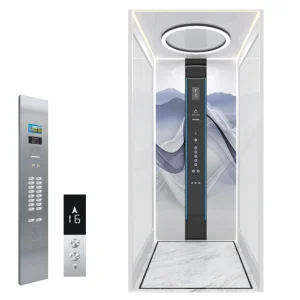
Ascom Elevator is a professional Elevators Manufacturers and Suppliers in China, Fuji Lifts & Elevators. Our company mainly covers Passenger elevator, Home elevator, Sightseeing elevator, Cargo elevator, Escalator, Shopping cart escalator...
We combine precision Chinese manufacturing with strict international safety standards to deliver vertical mobility solutions that seamlessly blend engineering reliability with high-aesthetic architectural values.
50+
Global Locations
10000+
Serving customers
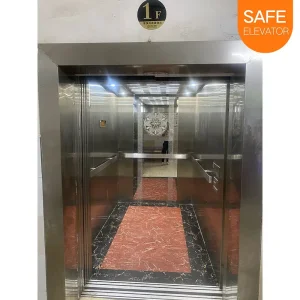
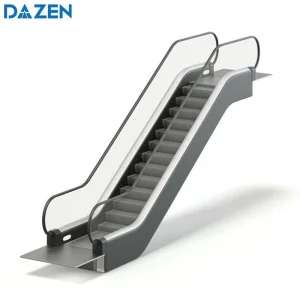
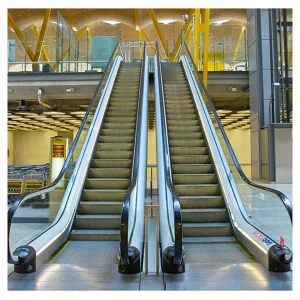
Discover our comprehensive portfolio of core transport mechanisms designed for various industrial, commercial, and residential applications.
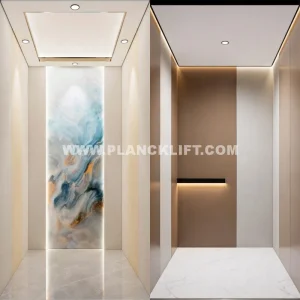
In the modern architectural landscape, vertical transportation is no longer viewed merely as a mechanical utility; it is the central nervous system of high-rise engineering. As commercial towers, luxury residential complexes, healthcare centers, and transport hubs increase in structural height and capacity, the demand for custom elevator cabin decoration and decorative cladding has escalated globally. Major procurement entities in North America, Europe, the Middle East, and Southeast Asia are increasingly sourcing specialized components directly from specialized Chinese custom manufacturers to manage project budgets while fulfilling stringent aesthetic criteria.
Procuring custom cabin components presents clear financial advantages. While traditional elevator OEMs (Original Equipment Manufacturers) charge premiums for basic decorative modifications, sourcing directly from specialist Chinese fabrication clusters enables developers to access bespoke finishes—such as physical vapor deposition (PVD) titanium coatings, laser-etched patterns, and sound-dampened honeycomb core assemblies—at a fraction of the cost. This hybrid procurement strategy (sourcing the traction machine and control systems from global OEMs and the structural decoration from specialist fabricators) has become standard practice for large-scale real estate developers and elevator modernization contractors globally.
"Global infrastructure modernization cycles indicate that over 65% of passenger elevators in mature metropolitan markets now require aesthetic and structural interior upgrades. Partnering with a certified Chinese fabrication exporter mitigates supply chain risks while providing access to advanced surface treatment technologies."
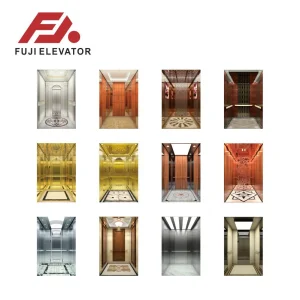
Ascom Elevator addresses diverse architectural requirements by utilizing a vertical integration manufacturing model. The primary focus of modern cabin decoration lies in the metallurgy of the wall panels and the mechanical integrity of structural components. We employ SUS304 and SUS316 grade stainless steel as base substrates, applying advanced chemical milling, etching, and mechanical polishing methods to produce highly durable panels.
Our manufacturing processes utilize the following primary finishing techniques:
Integrating architectural aesthetics with physical structural durability and micro-tolerance mechanical alignment.
Sub-millimeter alignment tolerances and vibration damping backings reduce acoustic transmission under high-speed operation.
Use of ultra-lightweight composite materials helps balance cabin loading profiles and reduces structural motor load.
All cabin interior panels, false ceilings, and flooring tiles meet international EN 81-58 Class A fire retardant ratings.
Standard architectural parameters for custom commercial and residential cabin projects.
| Material Parameter | Standard Specification Options | Architectural Application Suitability |
|---|---|---|
| Substrate Base | SUS 304 / SUS 316 Stainless Steel, Aluminum Composite Panels | Corrosion-resistant backing, recommended for coastal/high-humidity environments. |
| Finish thickness | 0.8mm to 1.5mm standard structural cladding panels | Balanced rigidity and weight, optimizing energy efficiency in passenger lifts. |
| Coating Methods | PVD Ion Plating (Titanium Gold, Bronze, Copper, Black Pearl) | Scratch-resistant surfaces suitable for high-traffic commercial and retail malls. |
| Lighting Integration | Indirect LED modules, dynamic RGB controllers, laser-cut acrylic diffusers | Customisable illumination profiles for modern corporate headquarters. |
| Fire Retardancy | EN 81-58 Class A, BS 476 Part 7 Class 1 Flame Spread | Mandatory compliance for public transit networks and municipal high-rises. |
The integration of digital interfaces marks the next stage of cabin evolution. Standard stainless steel cladding is increasingly combined with functional electronics, such as smart glass panels and touch-responsive surfaces. High-end commercial installations now use smart mirror systems that display real-time building data, news feeds, and floor indicators directly through polished metal or reflective safety glass.
Additionally, touch-free interfaces—such as voice-activated command nodes, gesture recognition sensors, and mobile app pairing via Bluetooth or NFC—are shifting from optional luxuries to standard requirements for medical and grade-A commercial real estate. From a structural perspective, these systems require precise cutout engineering and wiring routing to be integrated seamlessly behind the decorative wall panels without affecting the mechanical integrity of the cabin structure.
As dynamic lighting systems become more popular, cabins are using smart lighting configurations that adjust throughout the day to match natural light cycles. Integrating these systems requires custom design work from the fabrication phase to ensure that power routing, heat dissipation, and maintenance access points are built directly into the false ceilings and wall support frameworks.
Commercial real estate markets demand customized designs that align with building branding and identity. Historically, developers accepted the default designs provided by multinational elevator brands. However, rising cost pressures and the demand for unique building aesthetics have shifted the industry toward independent decorative suppliers. By utilizing standard structural interfaces, independent suppliers can customize cabin interiors for any major traction elevator brand (such as Fuji, Otis, Schindler, Kone, or Thyssenkrupp) without altering the underlying traction machinery.
For infrastructure developers, this separation of traction machinery and cabin customization reduces overall project risks. Main contractor groups can install the primary mechanical equipment early in the construction phase and mount the custom decorative panels just before final building commissioning. This staging protects high-value polished surfaces from damage during the heavy construction phase, ensuring a clean and pristine finish at project handover.
When exporting elevator components globally, compliance with national and regional safety standards is critical. Elevator cabins are subject to strict regulatory oversight due to passenger safety requirements. Any addition of interior decorative materials must comply with local fire, weight, ventilation, and emergency egress regulations.
Our manufacturing processes comply with major international certifications:
We provide full engineering documentation with every order, including weight calculations, fire safety certificates, and material analysis sheets. This support simplifies the local engineering approval process and helps project teams pass building inspections efficiently.
Expert insights regarding procurement, customization limits, certification compliance, and global delivery logistics.
Every elevator has a design tolerance for cabin weight (deadweight or tare weight). Adding interior cladding increases this weight. To address this, we engineer our decorative panels using lightweight materials, such as aluminum honeycomb backings, to keep the added weight within the elevator manufacturer's allowable safety margins (typically under 5% to 10% of the original rated capacity).
Yes. Our customized decorative systems are designed to be brand-agnostic. We use universal mounting brackets, adjustable sub-frames, and custom panel layouts that can be installed on existing elevator cabins from major brands like Fuji, Otis, Kone, and Schindler, making them ideal for both new installations and modernization projects.
Our materials meet major international fire safety standards. Our stainless steel panels, aluminum honeycomb backings, and fire-resistant adhesives comply with EN 81-58 (Class A ratings) and other regional flammability codes, ensuring they meet the requirements for public and high-rise applications.
Lead times vary based on the complexity of the design and order volume. Standard custom etching or PVD coating orders are typically completed within 15 to 25 days. Large-scale structural custom cabin orders or complex architectural projects generally require 30 to 45 days from engineering drawing approval to port shipment.
Complete vertical transit options, including heavy-duty outdoor escalators, luxury cabin panels, and digital operating systems.
 Ascom Elevator


