Explore premium machinery components, door protection curtains, and robust passenger platforms engineered to meet international elevator standards.
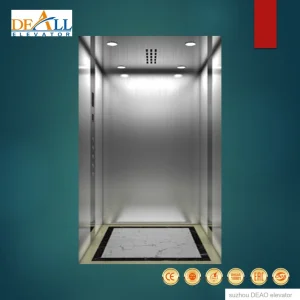
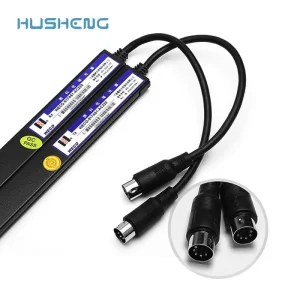
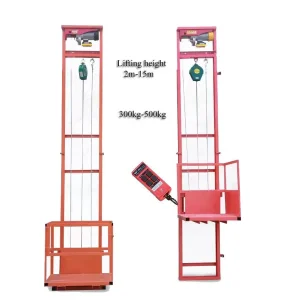
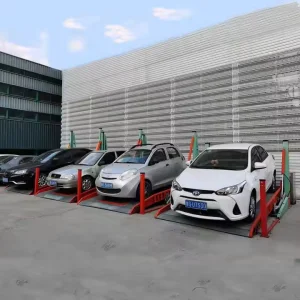
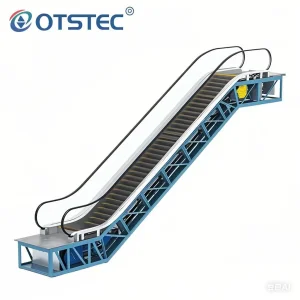
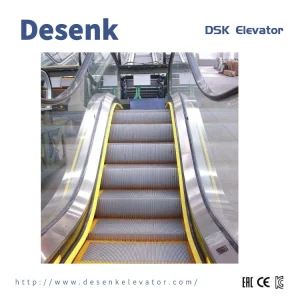
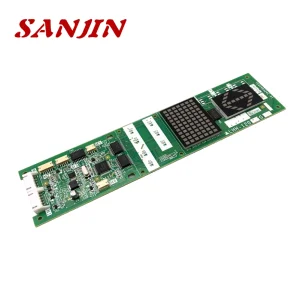
As a professional **Elevator Manufacturer and Supplier in China**, **Ascom Elevator** operates at the leading edge of vertical mobility. Our comprehensive design and manufacturing portfolio specializes in **Fuji Lifts & Elevators**, encompassing passenger elevators, high-end residential home elevators, sightseeing panoramic lifts, robust cargo elevators, escalators, and efficient shopping cart moving walks.
By focusing on mechanical reliability, structural safety, and high-end aesthetic finishes, we ensure that every system satisfies rigorous architectural demands. We coordinate closely with global project developers to customize layouts that integrate flawlessly into varying structural constraints.
Engineered to adapt to residential, commercial, medical, and industrial architectural infrastructures.
The global demand for high-end residential vertical mobility has driven a significant transformation in production paradigms. Today, **China produces and exports over 75% of the world's home elevators**, maintaining a massive supply chain infrastructure concentrated in industrialized manufacturing hubs like Zhejiang, Jiangsu, and Guangdong. These regions offer integrated industrial clusters where raw materials, advanced electrical components, precision mechanical sub-assemblies, and safety-critical testing loops operate within close proximity.
"By integrating all raw sheet-metal processing, high-precision laser cutting, and specialized control-board surface mount technologies (SMT) under a single regional ecosystem, Chinese manufacturers offer unparalleled speed-to-market and unmatched economic scaling."
For international procurement managers, real estate developers, and elevator distributors, sourcing directly from a top-tier China home elevator exporter ensures distinct competitive advantages. The primary industrial benefits include:
Installing a home elevator requires adherence to rigorous safety standards, mechanical certification protocols, and local building codes. In the global residential landscape, elevator systems are governed by strict localized guidelines. Reliable Chinese manufacturers design and configure their products to comply with these critical regional requirements:
Specifies structural parameters for safety gears, cabin ventilation, landing door impact tests, and minimum clearance zones in the shaft headroom and pit spaces.
Mandates strict control over cab dimensions, automatic gate monitoring systems, slack-rope/slack-chain interlocks, and emergency backup battery descent operations.
Regulates key aspects of accessibility, control interface ergonomics, drive mechanical safety factors, and marine-grade cabin finishes for coastal regions.
To establish trust with overseas importers, top exporters provide comprehensive engineering documentation, including FEA (Finite Element Analysis) structural calculation sheets for T-guide rails (e.g., T75/B, T89/B), weld quality reports, and electrical layout schematics. These files simplify the process of obtaining local installation permits and passing inspections by municipal safety authorities.
Choosing the right mechanical drive is critical to an elevator's long-term performance, energy efficiency, structural footprint, and comfort. Chinese exporters construct home elevators utilizing three main drive methodologies, each tailored to specific building constraints and usage frequencies:
Traction systems are the gold standard for modern residential properties. The elevator car and counterweight are connected via high-tensile steel cables or polyurethane-coated steel belts driven by a gearless motor.
Ideal for retrofit properties and low-rise residential structures where overhead clearance is restricted. Hydraulic systems use a silent pump motor to push hydraulic oil into a piston cylinder that raises and lowers the cabin.
A popular choice for minimalist designs and architectural retrofits. The platform climbs up a threaded steel screw shaft via a rotating drive nut.
B2B buyers, including builders, custom home developers, and regional distributors, must evaluate more than just the initial price when importing elevators. Establishing a reliable supply chain requires assessing the manufacturer's long-term technical support and service capacity.
Top Chinese manufacturers perform complete factory pre-assemblies before packaging products for export. During this phase, technicians align the cabin, test mechanical safety gears, verify structural clearances, and pre-program the control cabinet. This rigorous step ensures that all components fit perfectly before shipping, preventing costly delays and adjustments on-site.
To streamline ongoing maintenance and minimize downtime, components are shipped with clear labeling and RFID tracking codes. Essential replacement components—such as safety curtains, guide shoe rollers, door locks, and control boards—can be easily identified and reordered. Direct export channels facilitate expedited air shipping for urgent spare parts to minimize downtime.
"Ensuring that your Chinese manufacturer provides detailed installation manuals, clear step-by-step videos, and wiring schematics translated by professional engineers is essential for a smooth installation process by local elevator contractors."
The residential elevator market is shifting from simple mechanical lifts to intelligent, eco-friendly systems. Leading manufacturers are integrating advanced technologies directly into their product designs:
Home elevators must adapt to diverse architectural styles and structural layouts. Modern engineering provides a range of flexible configurations to match different space requirements:
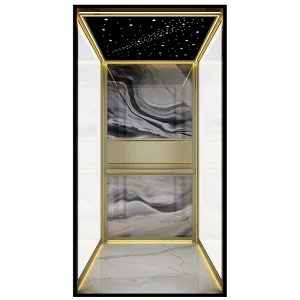
High-capacity traction passenger elevators featuring custom wood paneling and marble floors, providing smooth vertical mobility for family members of all ages.
Compact screw-driven platform lifts or hydraulic systems that integrate seamlessly into existing structures without requiring extensive foundation excavations.
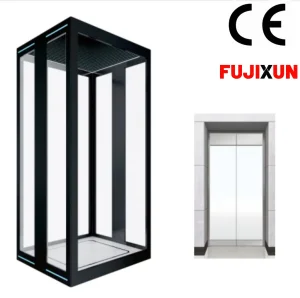
Panoramic glass home elevators constructed with marine-grade 316 stainless steel to resist salt air corrosion while offering sweeping scenic views.
Critical technical, regulatory, and logistics answers for global B2B elevator buyers.
For standard gearless traction home elevators (PMSM), the minimum required pit depth typically ranges from 300mm to 500mm. However, specialized thin-profile configurations can function with a pit of just 150mm. The overhead headroom clearance (from the top landing floor to the ceiling of the shaft) must be at least 2800mm to 3000mm to accommodate the drive machinery and maintain code-mandated safety clearance zones.
Before placing an order, buyers should request structural calculation books, CE declaration certificates, and documentation verifying compliance with relevant standards (such as EN81-20/50 or ASME A17.1). The exporter must calibrate the cabin door safety switches, gate monitoring locks, and emergency lowering valves to match these regional specifications before the unit is shipped.
A high-quality residential traction elevator has an average design life of 20 to 25 years, provided it receives regular maintenance. Routine inspections should be scheduled every 6 to 12 months. Maintenance tasks include checking guide rail lubrication, inspecting the wear of wire ropes or belts, testing safety gear mechanisms, and cleaning control panels to prevent dust build-up.
Yes. Many home elevators are designed for self-supporting structural steel or aluminum alloy shafts. This layout is especially popular for panoramic glass cabins. Because the structural frame carries the load of the guide rails and motor, it eliminates the need for heavy concrete shaft walls, saving space and simplifying installation.
Elevators are securely packed in heavy-duty, fumigated IPPC plywood cases. Key components—such as cabin wall panels, glass frames, and guide rails—are individually wrapped in protective foam and secured with heavy-duty metal strapping. This robust packaging protects components from moisture, vibration, and handling damage during long-distance ocean transport.
The Automatic Rescue Device is a critical emergency backup safety system. If the building loses power, the ARD automatically switches to auxiliary battery power. It releases the motor brake and safely moves the lift car to the nearest landing floor, where the door operator opens the cabin doors to allow passengers to exit safely.
From custom residential villa lifts to industrial escalators and mechanical components, explore our complete line of vertical transportation products.
 Ascom Elevator


