Elevators are essential for modern buildings, facilitating the movement of people and goods. However, like any mechanical system, they can encounter problems. According to industry reports, over 25% of elevator breakdowns are due to simple operational issues that can be addressed with proper troubleshooting techniques. Understanding how to troubleshoot common elevator operation problems is crucial to maintaining safety and efficiency.
Many users experience unexpected glitches or delays, often leading to frustration. A study highlighted that timely intervention can reduce downtime by up to 30%. Regular maintenance and quick responses to malfunctions significantly enhance reliability. For instance, routine inspections can reveal early signs of strain, prolonging the lifespan of the system.
Nonetheless, issues can still arise, as not all problems are easily diagnosed. Inadequate knowledge can lead to miscommunication and prolonged service interruptions. It is essential to learn effective troubleshooting methods that rely on both theoretical knowledge and hands-on experience. By prioritizing education and awareness, stakeholders can ensure smoother operations and a better user experience.
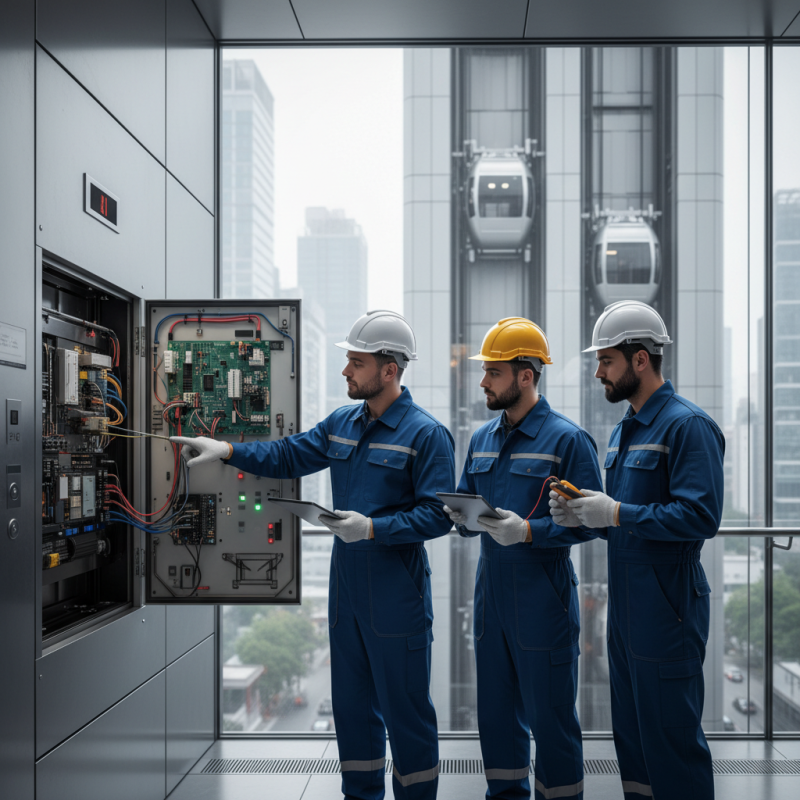
Identifying Common Elevator Issues in Residential and Commercial Settings
Identifying common elevator issues in both residential and commercial settings is crucial for maintaining safety and efficiency. According to the National Elevator Industry, 27% of elevator breakdowns are due to mechanical failures. Regular inspections can mitigate these problems. Typical issues include door malfunctions, strange noises, and inconsistent leveling. Understanding these signs can help prevent more significant disruptions.
Tips: Always listen for unusual sounds. Grinding or clattering can signal serious issues. Check if the doors close properly. Misaligned doors can pose safety risks.
Another frequent problem is unresponsive buttons. This can create frustration, especially in busy buildings. A 2020 study by the Elevator World found that 40% of service calls relate to button malfunctions. Keeping button contacts clean can reduce these incidents.
Additionally, lighting inside the elevator can be an overlooked concern. Poor lighting may not only inconvenience users but also pose safety risks. Inadequate light can obscure hazards like a misaligned step. Regularly inspect and replace bulbs to ensure safety and comfort for all passengers.
Assessing Safety Mechanisms and Emergency Features in Elevators
Elevators are essential for building access. Understanding their safety mechanisms is vital. Regular assessments of these systems can prevent failures. First, consider the door sensors. They should detect obstructions effectively. If they malfunction, it risks causing injuries. Regularly check if the doors open and close smoothly. A simple test can reveal issues early.
Next, inspect the emergency features of the elevator. An emergency alarm should function properly. If a user is trapped, they need a way to alert help. Moreover, ensure the emergency brakes engage correctly. If the elevator fails, these brakes should activate immediately. Neglecting these checks can lead to dangerous situations.
Assessing these mechanisms isn't always straightforward. Sometimes, components may look fine, yet perform poorly. Technicians should use specialized tools for thorough evaluations. Awareness of these elements promotes safety. Buildings often prioritize aesthetics over functionality. This can create blind spots in maintenance protocols. Hence, regular training for building staff is important.
Step-by-Step Guide to Basic Elevator Troubleshooting Techniques
Elevators can face various issues, but troubleshooting them doesn't have to be overwhelming.
Start by checking the power supply. Ensure the elevator is plugged in, and verify the circuit breaker is not tripped.
A lack of power is a common culprit that can halt operations unexpectedly.
Next, listen for unusual sounds. Gears grinding or sudden stops can indicate mechanical issues requiring immediate attention.
Inspecting these components helps identify problems early. If you notice irregular operation, the control panel might have alerts or error messages.
Always consult the manual for specific indicators.
Tips: Keep a record of any issues. Documenting recurring problems can provide insights into underlying causes.
Regular maintenance checks are key. Even minor issues can escalate if overlooked.
Consider scheduling professional inspections semi-annually to ensure smooth operations.
Another potential problem is the door mechanism. Doors that won't close or open properly can be frustrating.
Check for obstructions, and ensure the sensors are clean.
Sometimes, the sensor won't detect a clear path, causing delays.
Balancing your DIY efforts with expert advice can enhance problem resolution. Each issue tackled improves your elevator's reliability.
When to Seek Professional Help for Elevator Malfunctions
Elevators can encounter various issues, and identifying when to seek professional help is crucial. If your elevator stops working suddenly or misaligns with the floor, these may be signs that you need expert assistance. Pay attention to unusual noises or vibrations during operation. Ignoring these signs can lead to larger problems.
For minor issues, such as doors not closing properly, you might troubleshoot yourself. Checking for obstructions can often solve the problem. However, if the doors still malfunction, it's time to consult with a technician. Also, if the elevator frequently exhibits the same problems, that indicates a deeper issue. This ongoing trouble is often a signal that professional intervention is necessary.
Never hesitate to call for help when safety is at stake. If passengers report feeling unsafe or trapped, immediate action is needed. Professional elevator services are equipped to handle complex malfunctions effectively. Relying on expertise ensures long-term functionality and safety. It's better to err on the side of caution than to risk injury or equipment damage.
Preventative Maintenance Tips to Avoid Common Elevator Problems
Elevator maintenance is crucial to ensure smooth operation. Regular check-ups and servicing can prevent many common problems. Inspect cables and pulleys regularly. Lubricating moving parts can minimize friction and wear. Additionally, keeping the control panel clean is essential.
Another key area is the elevator door. Misaligned doors can cause malfunctions. Check the door sensors frequently. This quick check can avoid costly repairs. Also, ensure the elevator’s emergency system is functional. It’s vital for safety and peace of mind.
Take time to train staff on operational protocols. They should understand basic troubleshooting. Encourage them to report unusual sounds or delays. Prompt attention can prevent bigger issues. Reflect on these practices regularly to ensure optimal performance.
FAQS
: Common issues include mechanical failures, door malfunctions, strange noises, and unresponsive buttons.
If the doors don't close properly or make strange noises, there might be a problem.
Unresponsive buttons can frustrate users and lead to more service calls due to frequent malfunctions.
Regularly inspect door sensors and ensure they detect obstructions properly to prevent injuries.
Emergency alarms and brakes must function correctly to ensure user safety in case of failure.
Regular check-ups, lubrication of moving parts, and clean control panels can help avoid issues.
Staff training allows them to report unusual sounds promptly and address potential issues before they escalate.
Inadequate lighting can obscure hazards, increasing the risk of accidents in the elevator.
Misaligned doors can cause issues; check door sensors frequently to avoid costly repairs.
Reflect regularly on maintenance practices; overlooking them can lead to blind spots and bigger problems.
Conclusion
In "How to troubleshoot common elevator problems effectively," the article provides a comprehensive guide for both residential and commercial settings. It begins by identifying frequent elevator issues, which can range from mechanical failures to electrical malfunctions. Following this, the assessment of safety mechanisms and emergency features is emphasized, ensuring users are aware of life-saving functions during emergencies.
The heart of the article delves into step-by-step troubleshooting techniques, outlining practical solutions for users to address common elevator operation problems. Additionally, it warns readers about when it is essential to seek professional help to avoid exacerbating issues. Lastly, the article offers preventative maintenance tips, aiming to reduce the occurrence of problems in the first place, thereby ensuring efficient and safe elevator operation.

 Ascom Elevator