Elevators are vital in modern buildings. They provide efficient vertical transport for people and goods. Understanding how does an elevator lifting system work is crucial for both safety and functionality.
Various components make up these systems. The cables, pulleys, and motors all interact seamlessly. But, even with advanced technology, problems can arise. Regular maintenance is essential to prevent malfunctions and ensure optimal performance. Each component must be examined regularly for wear and tear.
In exploring the insights of elevator systems, one discovers intricate mechanics at play. These systems balance speed, safety, and stability. However, not all elevators are equal. Some may face challenges like slow response times or energy inefficiency. Recognizing these issues helps improve overall design and user experience.
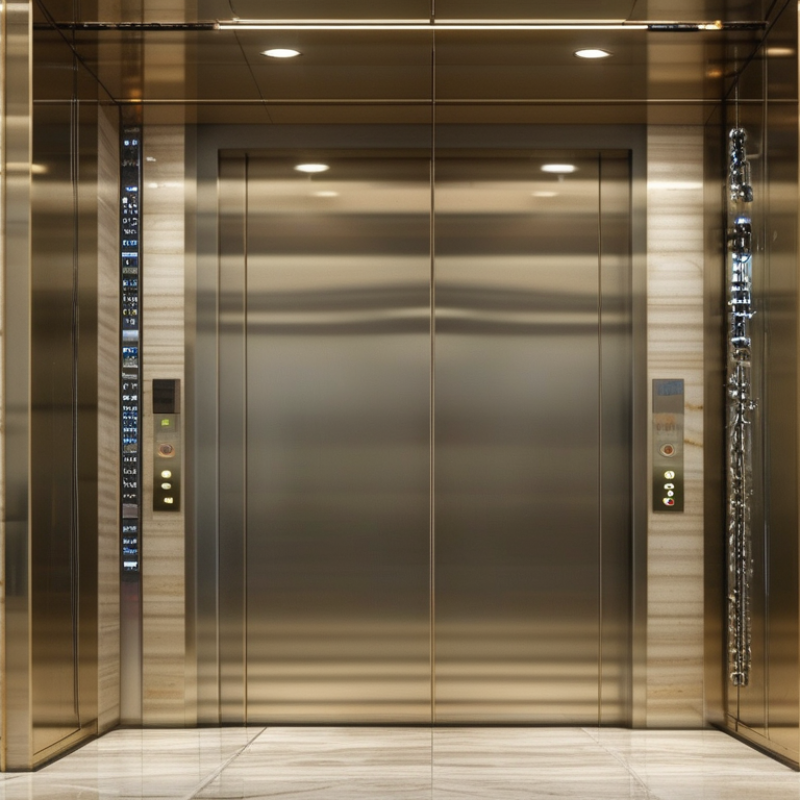
An elevator lifting system is composed of several essential components that work together seamlessly. The cab or car is where passengers or goods are transported. It moves vertically along guide rails. Built-in safety features ensure the safe operation of the cab during its ascent and descent. Without these mechanisms, the risk of accidents increases significantly.
The pulley system plays a crucial role in this function. It utilizes cables and weights to counterbalance the cab's weight. This balance is vital for smooth operation. Additionally, the motor powers the movement of the elevator. A strong motor ensures quick and reliable travel between floors. Yet, maintenance is often overlooked. Regular checks can prevent breakdowns, highlighting the importance of routine inspections.
Control systems link the elevator with user commands. They include buttons for requested floors, emergency alerts, and indicators. Software monitors the operation and ensures energy efficiency. However, technology can malfunction, requiring human intervention. Understanding these components helps in recognizing the complexity of modern elevators. Every part must function flawlessly for safety and efficiency.
Elevator systems are complex but fascinating. Their movement relies on various mechanisms designed for efficiency and safety. A typical elevator uses a motor-driven pulley system, where cables lift the cabin. This method can achieve a lifting speed of up to 500 feet per minute, a standard in modern high-rises. According to industry reports, 80% of urban buildings now incorporate these advanced systems.
Control mechanisms play a crucial role in elevator operation. Sensors monitor the door status, load weight, and cabin position. This data is processed in real-time to ensure safety. For instance, the National Elevator Industry Association found that nearly 90% of elevator failures are due to human error, emphasizing the need for reliable control systems. While existing technologies are advanced, there is still much room for improvement. Increased automation could enhance user experience but may also pose security challenges.
Maintenance is vital for ensuring long-lasting elevator performance. Experts recommend frequent inspections, typically every six months, to catch potential issues. While many buildings follow this guideline, some do not. Neglecting maintenance can lead to costly downtime and safety hazards. Balancing innovation with traditional practices remains a challenge for the industry.
Modern elevator systems are designed with multiple safety features to ensure passenger security and reliability. One critical feature is the emergency brake system. This mechanism engages automatically if there is an unexpected speed increase. It helps prevent free falls, a concern in high-rise buildings, where elevators ascend many floors.
Another vital safety aspect is the door sensor system. It detects obstructions and prevents doors from closing on passengers. This can minimize accidents and promote a safer boarding process. Additionally, modern elevators often include communication systems, allowing users to contact emergency services if needed. In some cases, elevators come equipped with backup power systems. These systems activate during power failures, ensuring the elevator stops safely at the nearest floor.
While these features enhance safety, there are challenges to consider. Maintenance is crucial for all systems to function correctly. Neglected upkeep may lead to malfunctions, potentially compromising safety. Regular inspections and updates to safety protocols are necessary to maintain reliability. Proper training for operators is also essential. Even with advanced technology, human error can pose risks. It’s vital to focus on continuous improvement in safety standards.
Elevator systems come in various types, each with unique operational mechanics. The most common types include hydraulic, traction, and machine-room-less elevators. Hydraulic elevators utilize fluid power to move the cab. They are ideal for low-rise buildings. However, they can be less energy-efficient and have slower travel speeds.
Traction elevators operate using a system of pulleys and cables. This design allows for higher speeds and smoother rides. They can be either geared or gearless. Gearless models are often used in tall buildings due to their robustness. Yet, installation and maintenance can be more complex.
Machine-room-less elevators save space by integrating machinery within the shaft. This innovation offers a sleek design but can lead to confined maintenance access. Each system has its benefits and drawbacks, requiring careful consideration. Understanding these operational differences is crucial for selecting the right elevator system for specific needs.
Elevators are essential in modern buildings, ensuring efficient transport. However, maintaining them is crucial for safety and efficiency. According to the Elevator Escalator Safety Foundation, about 10,000 injuries occur yearly from elevator incidents. Regular maintenance can significantly reduce this risk.
Experts suggest that elevators should undergo inspections at least twice a year. This practice not only enhances safety but can also prolong the system's life. A report by the National Elevator Industry, Inc. indicated that regular maintenance can increase an elevator’s lifespan by up to 50%. Neglecting maintenance can lead to increased breakdowns. These outages not only inconvenience users but can also lead to costly repairs.
Understanding the mechanics is vital. Common issues arise from worn cables or faulty control systems. These problems can cause delays or, worse, accidents. Performing consistent upkeep checks allows issues to be identified and resolved proactively. The goal is not just to keep elevators running but to ensure they operate safely and efficiently. Such practices can contribute significantly to the overall reliability of elevator systems in any structure.
: Elevators use a motor-driven pulley system with cables to lift the cabin.
Many elevators can reach speeds of up to 500 feet per minute.
They monitor door status, load weight, and cabin position for safety.
Nearly 90% of elevator failures result from human mistakes, according to studies.
Experts recommend inspections at least every six months for optimal performance.
Neglected elevators may experience breakdowns, leading to safety hazards and costly repairs.
Common types include hydraulic, traction, and machine-room-less elevators.
Traction elevators provide higher speeds and smoother rides compared to others.
They save space but can restrict maintenance access, making upkeep difficult.
Regular upkeep can potentially increase an elevator’s lifespan by up to 50%.
An elevator lifting system operates through a series of interconnected components that work together to transport passengers and goods safely between floors. Understanding how does an elevator lifting system work involves examining its basic components, including the cab, pulleys, and counterweights, which collectively enable smooth and controlled movement. The mechanisms behind the elevator's operation are designed to optimize efficiency while ensuring precise control over speed and stopping points.
Safety is a critical aspect of modern elevator systems, with numerous integrated features that prevent accidents and ensure reliability. Different types of elevator systems, such as hydraulic and traction elevators, have unique operational differences that cater to various building requirements. Regular maintenance plays a vital role in sustaining efficiency and safety, ensuring that the elevator functions optimally while adhering to stringent safety standards. Overall, comprehending these essential insights provides a foundation for understanding the complexities of elevator lifting systems.

Ascom Elevator