Top 10 Causes of Elevator Breakdowns and How to Prevent Them?

Time:2026-08-31 Author:Sophia
0%

Elevators are essential for modern buildings, providing convenience and accessibility. However, they can break down unexpectedly, causing frustration and delays. Knowing what causes elevator breakdowns and how to prevent them is crucial for building safety and user satisfaction. Regular maintenance plays a key role in keeping elevators functional.

Over time, wear and tear occur, often leading to malfunctions. Many issues arise from improper use or lack of attention to warning signs. For example, overloaded elevators can strain mechanisms. Simple actions, like avoiding blockages within doors, also help prevent breakdowns.

Elevator systems are complex. Various components, from pulleys to circuitry, require expert oversight. Regular inspections by certified technicians are vital. They can identify potential issues before they escalate. This proactive approach mitigates risks, ensuring smooth operation for years to come.
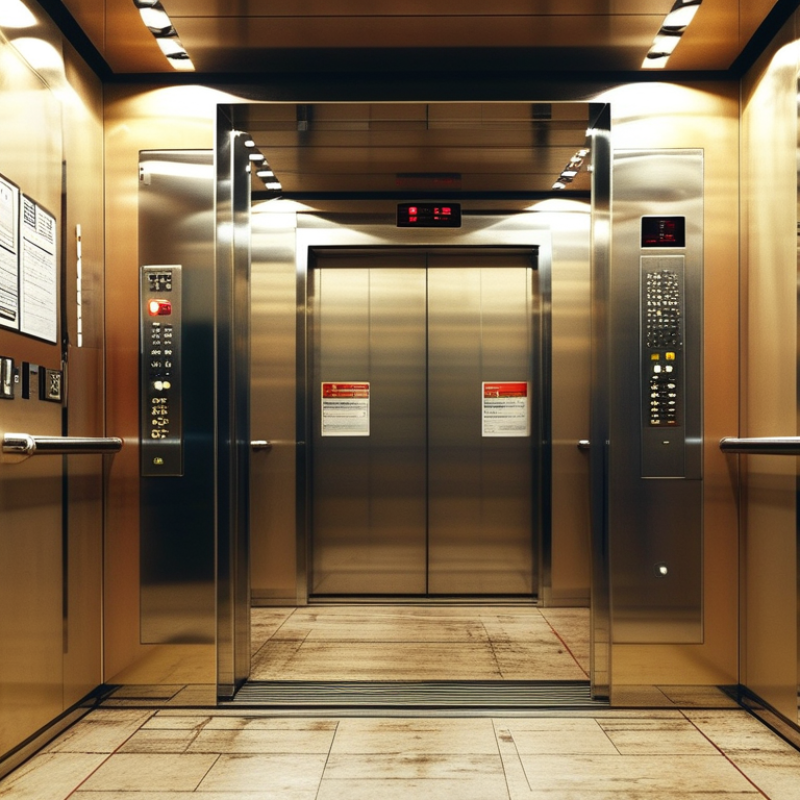
Top 10 Causes of Elevator Breakdowns and How to Prevent Them?

Top Causes of Elevator Breakdowns: An Overview of Key Factors

Elevator breakdowns can disrupt daily routines and pose safety risks. Understanding the key factors behind these failures is essential for prevention. One major cause is inadequate maintenance. Regular inspections help identify wear and tear, ensuring optimal performance. Neglecting this can lead to serious malfunctions.

Another contributing factor is overloaded elevators. Exceeding weight limits can strain components, leading to breakdowns. It's crucial to educate users about weight limits to prevent accidents. Additionally, outdated systems can be problematic. Modernizing elevators with updated technology can improve reliability.

Electrical issues can also lead to sudden breakdowns. Faulty wiring or issues with control panels might cause erratic behavior. Investing in quality components ensures smoother operation. Operator training is another vital aspect. Without proper knowledge, mishandling can exacerbate problems. Each of these factors requires attention and resources to mitigate risks effectively.

Top 10 Causes of Elevator Breakdowns and How to Prevent Them

Cause Description Prevention Method
Power Failures Unexpected loss of power affecting elevator operation. Install backup generators or UPS systems.
Mechanical Failures Wear and tear of moving parts leading to malfunctions. Regular inspections and preventive maintenance.
Overloading Exceeding the weight capacity of the elevator. Install weight sensors and provide clear signage about load limits.
Improper Usage Users misusing the elevator features. Provide user instructions and signage in the elevator.
Corrosion Damage caused by moisture and environmental factors. Regular cleaning and use of protective coatings.
Faulty Wiring Electrical issues leading to operational failures. Routine electrical inspections and repairs by qualified personnel.
Door Malfunctions Doors failing to open or close properly. Regular servicing of door mechanisms and sensors.
Control System Failure Issues in the elevator's control software or hardware. Updates and servicing of control systems as needed.
Lack of Maintenance Infrequent servicing leading to unresolved issues. Establish regular maintenance schedules and contracts.
Safety Feature Malfunctions Failure of safety features such as brakes or alarms. Regular checks of safety systems and compliance with safety standards.

Mechanical Failures: Understanding the Common Components at Risk

Mechanical failures in elevators can stem from several critical components. Understanding these components helps in prevention and maintenance. The motor, for instance, is vital for smooth operation. A degraded motor can lead to unexpected breakdowns. Regular inspection is essential to identify early signs of wear.

The control system also deserves attention. It is the brain of the elevator, managing all its operations. Faulty sensors can cause erratic behavior, leading to safety risks. Owners should prioritize software updates and calibration. Ignoring these aspects might lead to delays in service and increased repair costs.

Lastly, cables play a crucial role in the elevator's function. Worn or frayed cables can lead to serious accidents. A frequent check of cable condition is a must. However, many neglect this, assuming they're safe until a problem arises. A proactive approach means fewer disruptions and safer elevators. Each component requires understanding and care to ensure reliable performance.

Electrical Issues: Identifying Power Supply and Control System Faults

Electrical issues often lead to elevator breakdowns. Power supply problems are a common culprit. A power surge can damage the control system. This might result in unexpected stops or even complete shutdowns. Regular inspections can help identify these issues early. Monitoring electrical connections is crucial. Loose wires can cause malfunctions and pose safety risks.

Control systems are equally important. They manage the elevator's operation and safety features. Faulty sensors can create significant problems. They might fail to detect weight limits or movement, leading to dangerous situations. Routine testing of these systems is essential. Keeping software updated can reduce glitches. Technicians should be well-trained to handle complex issues.

Neglecting electrical components can lead to costly repairs. Over time, wear and tear take a toll. Preventive maintenance is often overlooked. Many building owners ignore warning signs until it's too late. By prioritizing electrical system health, significant breakdowns can be avoided. This proactive approach can ensure safety and reliability in elevator operations.

Lack of Maintenance: The Importance of Regular Inspections and Upkeep

Regular inspections of elevators are crucial for safe and reliable operation. Many elevator breakdowns stem from a lack of maintenance. Neglecting routine check-ups can lead to serious issues like unexpected shutdowns or safety hazards. Simple actions, such as checking door mechanisms and warning signals, can prevent major disruptions.
Over time, wear and tear can take a toll on elevator components. If these parts are not regularly assessed, small problems can escalate. For instance, malfunctioning cables can increase the risk of accidents. This highlights the need for trained professionals to perform thorough evaluations. Such experts can identify potential issues before they become costly repairs.

Establishing a maintenance schedule can seem daunting. However, prioritizing inspections helps ensure safety standards are met. Building managers must reflect on their current upkeep practices. Are they adequate? Regular maintenance will not only enhance elevator lifespan but also improve user experience. Taking these steps is key to avoiding breakdowns and ensuring safety.

User Behavior: How Improper Use Contributes to Elevator Failures

Improper user behavior significantly contributes to elevator failures. Research indicates that user actions account for nearly 30% of all elevator breakdowns. Common issues include overcrowding and excessive button pressing. These behaviors not only stress the system but can also disrupt the normal operation.

Elevators have a designed weight capacity. Exceeding this limit can lead to overheating and mechanical failures. A study from the National Elevator Industry highlights that 20% of service calls result from user-induced problems. Misusing the emergency button is another frequent issue. Users may press it when there is no genuine emergency, leading to unnecessary system resets.

Education on proper elevator usage can minimize these failures. Posting clear instructions inside elevators could help reduce misuse. Moreover, incorporating reminders about capacity limits in elevators may change user behavior. Small adjustments in user awareness can lead to significant improvements in elevator reliability.

FAQS

: What are common causes of elevator breakdowns?

: Electrical issues, especially power supply problems, often lead to breakdowns.

How can power supply problems affect elevators?

A power surge can damage the control system, causing unexpected stops or shutdowns.

Why is regular inspection important for elevators?

Regular inspections help catch issues early, preventing serious problems and ensuring reliable operation.

What can result from neglecting elevator maintenance?

Neglect can lead to major issues, including shutdowns and safety hazards over time.

How do faulty sensors impact elevator safety?

Faulty sensors may fail to detect weight limits or movement, creating dangerous situations.

What might happen if maintenance is not prioritized?

Costly repairs can arise from small issues escalating due to lack of maintenance.

What role do trained professionals play in elevator upkeep?

Trained experts can perform thorough evaluations and identify potential problems early.

How can maintenance schedules be established?

Building managers should reflect on their practices and prioritize regular inspections for safety.

What simple actions can prevent elevator disruptions?

Checking door mechanisms and warning signals can help prevent major issues.

Why might building owners ignore maintenance warning signs?

They may not recognize the importance of regular checks until severe issues arise.

Conclusion

Elevator breakdowns can significantly disrupt daily operations and pose safety risks. Understanding what causes elevator breakdowns and how to prevent them involves evaluating several key factors. Mechanical failures are often at the forefront, with critical components like cables and gears prone to wear and tear. Additionally, electrical issues, such as malfunctions in the power supply or control systems, can lead to unexpected failures.

Regular maintenance is essential in any prevention strategy; routine inspections and upkeep can help identify potential problems before they escalate. Furthermore, user behavior plays a crucial role in elevator safety; improper use, such as overcrowding or attempting to force open doors, can contribute to malfunctions. By addressing these areas—mechanical integrity, electrical reliability, consistent maintenance, and user education—elevator operators can significantly reduce breakdown incidents and ensure smooth, safe operation.

Sophia

Sophia

Sophia is a dedicated marketing professional with an exceptional depth of knowledge about her company's products and services. With a keen understanding of market trends and customer needs, she crafts insightful blog posts that not only inform but also engage readers, enriching the company’s online......