As cities grow taller, elevator performance becomes a daily test of how well a building works. UN DESA’s World Urbanization Prospects: The 2018 Revision projects that 68% of the world’s population will live in urban areas by 2050. More residents and visitors mean more trips, busier lobbies, and greater pressure on lift capacity. It is a practical challenge.
Smart elevator control systems use sensors, software, and connected equipment to respond to building conditions. They can group passengers travelling to similar floors, adjust car assignments during busy periods, and flag faults for maintenance teams. The question “How do elevator control systems improve intelligence” is therefore about more than faster rides. It concerns how systems use real-time information to support traffic flow, reliability, and energy management. Results depend on building design, occupancy patterns, and the quality of the underlying data.
The energy context matters, but figures need careful interpretation. UNEP and the Global Alliance for Buildings and Construction report that buildings account for about 30% of global final energy consumption and 26% of energy-related emissions in their 2023 Global Status Report for Buildings and Construction. These figures cover buildings as a whole, not elevators alone. Still, they show why efficient operation deserves attention. A lift waiting empty between floors is a small scene with a real operational cost. Smart controls may help reduce unnecessary movement, but they are not a cure-all. Their value depends on thoughtful installation, regular maintenance, and clear performance measurement. That is where demand is growing: building owners want systems that make movement more predictable without promising more than the data can prove.
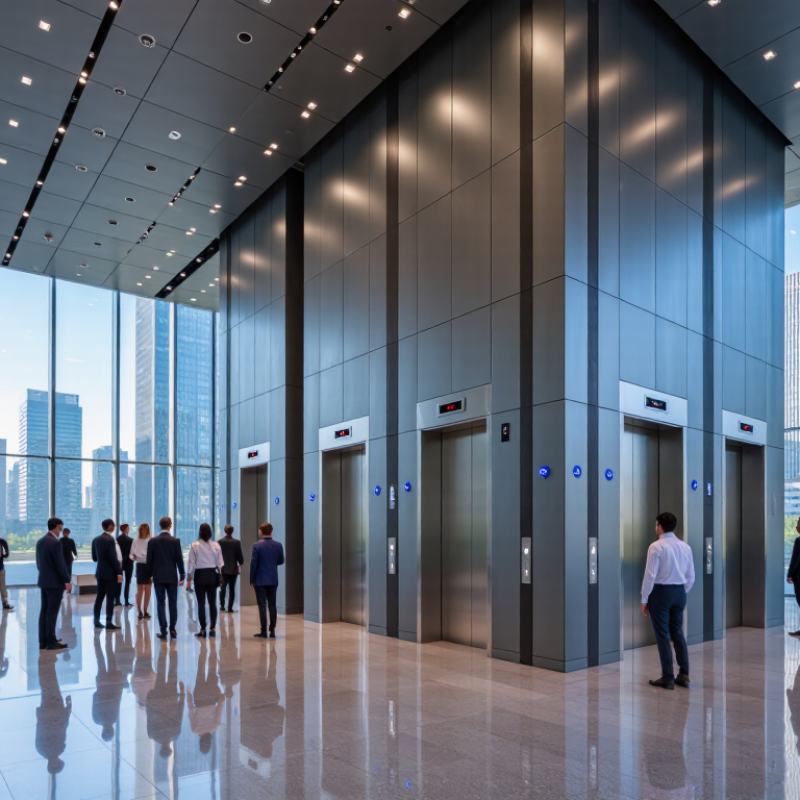
Smart elevator control systems combine dispatch software, car controllers, sensors, and passenger interfaces to manage elevator journeys. They collect calls from landing buttons or destination kiosks, then assign suitable cars. Some systems group passengers traveling to nearby floors, reducing unnecessary stops during busy periods. Others adjust service using traffic patterns, time of day, or building access settings.
In practice, a morning rush may send more cars toward the lobby, while quieter periods allow longer waits between trips. Door sensors, position data, and equipment status also help the system respond to changing conditions.
That matters.
Yet “smart” does not mean flawless: unusual crowding, faulty inputs, or poor configuration can still produce awkward delays. Building managers need clear performance reports and a dependable manual operating mode. Privacy deserves attention, too, especially when access records or passenger data inform dispatch decisions.
Not magic.
A well-designed system coordinates elevator movement with the building’s real layout and routines, but it may need adjustment as those routines change.
At 8:30 a.m., a crowded lobby can send several nearly full elevators to the same floors. Smart controls use hall calls, destination selections, and car-load sensors to group passengers and assign suitable cars. They can adjust dispatch as demand shifts between the lobby and upper floors. Less bunching. Less unnecessary stopping. In practice, the result depends on accurate sensors and sensible settings; a poorly tuned system can frustrate riders.
CIBSE’s Guide D: Transportation Systems in Buildings (2020) treats passenger demand, handling capacity, and waiting time as key measures in elevator planning. These measures help building teams assess whether controls suit actual traffic, rather than relying on a brochure’s ideal scenario. The International Energy Agency reported that buildings account for about 30% of global final energy consumption and 26% of energy-related emissions. Those figures cover buildings broadly, not elevators alone. Still, they explain why operators examine elevator performance alongside other building systems. Smart controls can also reveal busy periods through traffic data, but patterns change with tenant schedules and special events. A system should be reviewed after occupancy shifts. Sometimes the data surprises you.
Smart controls group passengers by destination and adjust elevator assignments as demand changes. This illustrative modeled comparison shows average waiting time in seconds; it is not based on field measurements, and actual results vary by building and system.
In busy office towers, elevator demand is less about adding cars than moving people at the right time. Morning arrivals can fill a lobby in minutes, while upper floors create uneven bursts throughout the day. Smart control systems use call patterns, occupancy signals, and floor destinations to group compatible trips. That can reduce unnecessary stops and make waits feel more predictable. Small delays matter.
Demand is also shaped by energy costs and pressure to use existing buildings more efficiently. Controllers can coordinate elevator movement, standby modes, and service schedules, while maintenance teams review operating data for recurring faults. In hospitals, hotels, and mixed-use buildings, access needs differ; controls can help prioritize service without treating every trip alike. The benefit depends on accurate sensors and careful configuration.
Owners are drawn to systems that can adapt as tenant numbers and traffic patterns change, rather than relying on fixed schedules. Yet smart systems are not effortless. Older equipment may need upgrades, and poor data can produce awkward groupings or confusing waits. A practical rollout starts with measured traffic, clear performance targets, and feedback from riders and staff.
| Demand Driver | How It Creates Demand | Relevant Operational Indicators | Buildings Most Affected |
|---|---|---|---|
| Urban growth and taller buildings | More people and workplaces in dense urban areas increase the number of passengers moving through buildings. Smart dispatch can group compatible trips and coordinate elevator assignments. | Passenger waiting time; journey time; elevator utilization; peak-period queue length | High-rise residential towers; office buildings; mixed-use developments |
| Passenger traffic management | Traditional destination-independent controls can make it harder to manage concentrated traffic at busy times. Destination control and traffic-management features can assign passengers to cars based on their requested floors. | Average wait; lobby congestion; number of stops per trip; handling capacity during peak periods | Office towers; hotels; transit-linked developments; large public buildings |
| Modernization of existing elevators | Older buildings may need improved controls, operating efficiency, ride performance, or integration with updated building systems. Control upgrades can be part of a broader elevator modernization project. | Equipment downtime; service interruptions; response to changing traffic; compatibility with building systems | Older commercial buildings; established residential properties; public-sector buildings |
| Energy-efficiency goals | Control systems can reduce unnecessary trips by coordinating car assignments and standby operation. Energy results depend on the elevator equipment, building traffic, settings, and how the system is operated. | Electricity use; idle time; empty-car trips; standby operation | Buildings with frequent elevator use; properties pursuing energy-management improvements |
| Predictive maintenance and connected monitoring | Connected controls can provide operating information that helps maintenance teams identify irregular performance and plan inspections or repairs. Monitoring does not eliminate the need for qualified maintenance. | Fault alerts; recurring error patterns; component operating data; unplanned service interruptions | Large portfolios; buildings where elevator availability is operationally important |
| Accessibility and inclusive service | Clearer call interfaces, accessible controls, and coordinated service can support passengers with different mobility and communication needs. Requirements vary by jurisdiction and building type. | Accessible control availability; call completion; door dwell time; service interruptions | Healthcare facilities; residential buildings; transport hubs; public buildings |
| Building-system integration | Smart elevator controls can exchange information with systems such as access control, security, and building management, allowing elevator service to reflect building operations and access rules. | System communication status; access-event handling; dispatch response; integration faults | Office campuses; secure facilities; mixed-use and multi-tenant buildings |
| Safety, security, and operational oversight | Digital monitoring and configurable access functions can support building procedures, while elevator safety remains dependent on compliant equipment, inspection, and maintenance. | Alarm and event records; access-control events; inspection status; equipment availability | Hospitals; hotels; commercial properties; buildings with controlled-access areas |
Benefits for Passengers, Building Owners, and Operators
Smart elevator control systems group passengers traveling to similar floors and adjust car assignments as demand changes. During the morning rush, this can reduce unnecessary stops and make wait times more predictable. Passengers may spend less time watching elevator doors open and close. That matters. Clear displays and accessible controls can also make rides easier for visitors and people with mobility needs. Still, results depend on the building’s layout and how the system is configured.
For building owners, better traffic handling can support efficient use of existing elevators, especially during busy periods. Operators can review service alerts and usage patterns to spot recurring bottlenecks or unusual demand. This information may help teams plan maintenance before small issues disrupt service. A dashboard is useful, but it does not replace an experienced technician’s inspection. Data can also be incomplete, so staff should check whether system recommendations match what they see on site.
Adopting a smart elevator control system starts with the building, not the software. A busy office tower may need destination dispatch during morning rush, while a small residential building may gain little from it. Existing elevator age, wiring, and controller compatibility can shape both cost and installation time. Sometimes the simplest upgrade is the right one.
Traffic patterns matter. Managers can review passenger volumes, peak periods, and wait times before choosing features. For example, grouping riders by destination may reduce unnecessary stops, but it can feel confusing to visitors without clear screens or signs. Accessibility also needs practical testing: reachable controls, readable displays, and enough time for passengers to enter are essential. Data from sensors can help tune service, though poor data may lead to poor decisions.
Implementation is rarely just a hardware swap. Installation may require phased work to keep some elevators available, plus staff training and clear notices for tenants. Cybersecurity, access permissions, and software updates should be planned with the same care as mechanical maintenance. Ongoing checks can reveal whether predicted savings match actual energy use and wait times. The estimates may not hold. Buildings change, and so do passenger habits. Operators should leave room to adjust settings after real-world use, rather than treating the first configuration as final.
It gathers calls, floor destinations, sensor readings, and car status. It then assigns cars to passenger trips. Not magic.
It may send more cars toward the lobby and group riders going to nearby floors. This can reduce repeated stops and make waits feel steadier. Actual results vary.
No. Crowded lobbies, faulty sensor data, or poor settings can still cause delays. A displayed estimate is not a promise.
Call patterns, occupancy signals, floor destinations, and time-of-day traffic can help. Staff should compare system reports with what they see on site.
They can review alerts and recurring faults, then plan inspections or maintenance. A dashboard helps, but it cannot replace a technician’s inspection.
Yes. An office tower, hotel, or hospital may need different service priorities. Accessible routes and clear controls still need careful checking.
Measure traffic during busy and quiet hours, set clear targets, and review older equipment. It is easy to overstate benefits without checking real conditions.
Keep a clear manual operating mode and train staff to use it. The fallback plan should be familiar before an outage occurs.
Ask what passenger or access information is collected and how it informs dispatch. Explain the data use clearly. Some details may need another review.
Smart elevator control systems use connected sensors, software, and destination-based dispatching to coordinate elevator cars more effectively. Rather than responding to calls one at a time, they can assess passenger requests, traffic patterns, and car availability to direct people toward suitable elevators. How do elevator control systems improve intelligence? By using real-time information to adapt service to changing conditions, reduce unnecessary stops, and manage busy periods more smoothly.
Demand for these systems is growing as buildings seek better passenger experiences, efficient operations, and more informed use of space and energy. Passengers may benefit from shorter waits and less crowding, while owners and operators can gain clearer performance insights and simplify day-to-day management. Adoption depends on factors such as building size and layout, existing equipment, budget, connectivity, and the needs of occupants. Careful planning helps ensure that a system fits the building and can be maintained over time.

Ascom Elevator