China Best Elevators How to Install Safely?

Time:2026-11-18 Author:Aria
0%

Selecting a suitable elevator from China’s leading manufacturers involves more than comparing price or appearance. Buyers should review the intended building use, rated capacity, travel height, maintenance support, and available technical documentation. A clear project specification helps engineers match the equipment to the shaft and site conditions. Ask for installation instructions and confirm who will provide commissioning and after-sales service. A polished brochure is not proof of a safe installation.

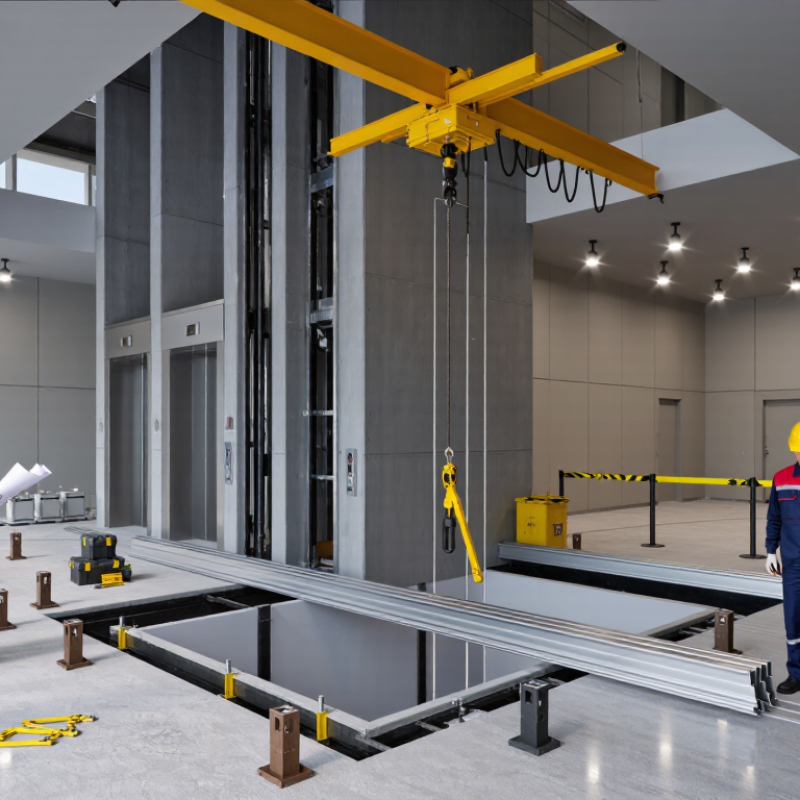
How to install elevators safely in construction projects begins with coordinated planning. Qualified professionals should check shaft dimensions, pit depth, overhead clearance, power supply, and access routes before equipment arrives. On site, secure the work area and use approved lifting equipment to move heavy components. Installers should follow the manufacturer’s procedures, verify each rail and fixing, and keep tools and loose materials clear of the shaft. Small errors matter. A rail that looks straight from the floor may still need measurement and adjustment.

Before operation, authorized technicians should inspect safety devices, doors, controls, and emergency communication, then document test results and outstanding issues. Requirements vary by project, so confirm applicable local standards with the responsible professionals. This guide can help owners and site teams ask better questions, but it cannot replace site-specific engineering or trained supervision. Even careful teams can miss something; a second inspection is worth the time.
China Best Elevators How to Install Safely?

Assess the Building and Select a Suitable Elevator System

Safe elevator installation begins with a careful assessment of the building, not a catalogue. Measure floor-to-floor heights, shaft width, pit depth, and overhead clearance. Check whether walls and floors can support the proposed loads. Note existing wiring, plumbing, and obstructions near the route. A tape measure is not enough. Have a qualified engineer review structural drawings and verify conditions on site; older buildings may differ from their records.

The right system depends on the building’s height, available space, and daily traffic. Estimate peak use by considering occupants, visitors, and people carrying carts or mobility aids. Compare suitable drive systems against the required travel, speed, and maintenance access. Some designs need a machine room; others still require specific pit and overhead dimensions. Confirm these needs before construction begins.

Also assess power supply, ventilation, emergency access, and how technicians will reach equipment safely. Discuss accessible controls and door clearances with the design team. A system that fits the shaft may still be a poor fit for actual use. Site measurements can be missed, and early estimates sometimes prove wrong. A second survey before ordering can expose conflicts while changes are still manageable.

Prepare the Hoistway, Power Supply, and Installation Site

Safe elevator installation starts with a measured, clean hoistway. Confirm its dimensions, vertical alignment, pit depth, and overhead clearance against approved project drawings. Check for standing water, loose concrete, exposed obstructions, and debris before equipment arrives. Keep the pit dry. Mark access points and establish barriers so unauthorized people cannot enter the work area. Provide safe lighting and clear routes for moving rails and other heavy components. A drawing can look complete while missing a site detail; recheck measurements on location and record any discrepancy before work proceeds.

Prepare the electrical supply to the elevator specifications and have a qualified electrician verify the circuit, grounding, and disconnect location. Confirm voltage with suitable test equipment; never rely on labels alone. Keep power isolated until the installation team authorizes testing. Keep others out. The landing areas should have stable floors, adequate working space, and protected openings. Coordinate delivery timing so equipment is not left in a damp or crowded area. It is easy to underestimate storage needs, especially for long rail sections. Review the site plan with the installation supervisor, resolve unclear conditions, and document changes before installation begins.

Install Guide Rails, the Car, and the Drive System

Guide rails set the path for every later component, so their alignment deserves careful attention. A qualified elevator installation team should inspect the shaft, support points, and access conditions before work begins. Check rail joints and brackets against the approved installation drawings. Small alignment errors can create noise, uneven travel, or extra wear. Do not force a rail into position to hide a mismatch. Pause and investigate it.

The car should be assembled and supported only with the specified lifting equipment and procedures. Keep unauthorized people outside the work area, and secure tools and loose parts above the shaft. Confirm that car components are fastened and clear of surrounding structures before moving the assembly. Details matter. A dropped washer can become a serious hazard.

Install the drive system according to its technical documentation, with electrical isolation and verification handled by trained personnel. Check mounting, connections, guarding, and access for maintenance before controlled testing begins. Record inspections and unresolved issues; memory is not a reliable checklist. One point is easy to overlook: a tidy installation can still be misaligned. Recheck measurements and clearances rather than relying on appearance alone.

China Best Elevators How to Install Safely? - Install Guide Rails, the Car, and the Drive System

Installation Stage Main Safety Risks Safe Work Practices Verification Before Proceeding
Planning and site preparation Falls into the shaft, unauthorized entry, conflicting construction work, and unclear emergency arrangements. Use qualified elevator personnel. Review the approved drawings, risk assessment, lift plan, and applicable local codes. Secure shaft openings and restrict access to authorized workers. Confirm the work area is controlled, rescue arrangements are understood, and the installation sequence is coordinated with other trades.
Equipment delivery and lifting Dropped or shifting loads, pinch points, and lifting equipment failure. Inspect lifting gear before use. Follow a task-specific lifting plan, use designated attachment points, and keep people clear of suspended loads. Do not exceed rated capacities. Check component identification and condition; verify lifting gear inspections and load ratings are suitable for the planned lift.
Guide rail installation Falls from height, falling tools or materials, and injuries while handling heavy rail sections. Use approved fall protection and secured tools where required. Handle rail sections with suitable mechanical aids and install brackets and fasteners in the sequence specified for the equipment. Measure rail position, alignment, joints, and bracket attachment against the approved drawings and manufacturer’s tolerances before installing moving equipment.
Car frame and car installation Crushing, trapped limbs, unstable assemblies, and unexpected movement of partially installed components. Assemble and secure the car frame using the specified sequence and approved supports. Keep personnel out of pinch zones and never work beneath an inadequately supported load. Inspect connections, clearances, and support arrangements. Confirm the car and related components are secured before removing temporary supports.
Counterweight and suspension components Uncontrolled movement, dropped weights, and severe crush hazards. Use the specified restraints and handling method. Keep the work zone clear and follow the approved procedure for installing ropes or other suspension components. Check component security, suspension routing, and required clearances against the equipment documentation before movement or adjustment.
Drive system and electrical work Electric shock, arc hazards, unexpected start-up, and exposure to moving machinery. Electrical work must be performed by authorized, qualified personnel. Isolate all relevant energy sources, apply lockout/tagout, and verify the absence of voltage before work. Keep guards and covers in place when required. Verify wiring, earthing, protective devices, and drive settings against approved documents. Complete required electrical checks before energizing the system.
Inspection and controlled testing Unexpected car movement, access to hazardous areas, and failure of safety devices. Keep testing under the control of qualified personnel. Clear the shaft, establish communication, use the designated test procedure, and prevent unauthorized access during tests. Document inspection and test results. Confirm required safety circuits and protective functions operate as specified before placing the elevator into service.
Handover and ongoing safety Unsafe operation due to incomplete records, unresolved defects, or inadequate maintenance. Do not release the elevator for use until required inspections and approvals are complete. Provide operating and maintenance documentation to the responsible building representative. Record commissioning, approvals, outstanding items, and maintenance requirements. Follow applicable local regulations and the equipment manufacturer’s instructions.

Safety note: Elevator installation is specialized work for qualified professionals. The approved project documents, equipment instructions, and applicable local codes take precedence over this general checklist.

Fit Landing Doors, Controls, and Emergency Safety Devices

Landing doors form a vital barrier between passengers and the elevator shaft. Qualified elevator technicians should confirm that each door, frame, and sill matches the approved installation drawings. Check clearances with a measuring gauge, and make sure doors move smoothly without scraping. Small alignment errors matter. Keep the landing area controlled while work is underway, and never treat an open shaft as ordinary work space.

Fit door interlocks and connect them to the control system according to the equipment instructions. The elevator should not run when a landing door is open or improperly secured. Technicians should test every floor, including less-used service levels, and record any adjustment. A button that lights up is not proof that the control circuit works correctly. Use appropriate test procedures and have another qualified person verify critical results.

Emergency devices need equal care. Confirm that the alarm, two-way communication, backup lighting, and emergency power functions operate as specified. Test communication from inside the car, where background noise can make speech hard to understand. Rescue procedures should be available to trained responders, not improvised during a fault. In practice, paperwork can lag behind installation; that gap deserves correction, not excuses. Keep test records current and hand over clear instructions before the elevator enters service.

Test, Inspect, and Approve the Elevator Before Operation

Before an elevator carries passengers, require documented tests, inspections, and approval—not just a smooth ride. The National Elevator Industry, Inc. estimates that about 900,000 elevators in the United States make 18 billion passenger trips each year. That scale makes a careful handover essential. A ride can feel normal while a door interlock, brake, or leveling control still needs attention. Small gaps matter.

A qualified elevator professional should test safety circuits, door operation, emergency communication, stopping accuracy, and other required functions under the applicable code and approved procedures. The inspection record should identify test conditions, results, defects, and corrective work. Then the authority having jurisdiction should review the required documents and witness tests where required before granting approval. ASME A17.1/CSA B44 provides a recognized safety-code framework, but the locally adopted edition and site requirements govern. Paperwork matters. A checklist alone cannot prove performance; observed results and traceable records can. I would also avoid treating a successful empty-car run as proof of readiness. Load conditions and real site details can expose issues that a quick demonstration misses. When a result is unclear, pause operation and investigate rather than guessing.

FAQS

What should be checked before choosing an elevator system?

Measure floor heights, shaft width, pit depth, and overhead clearance. Check nearby pipes, wiring, and structural supports. A tape measure alone is not enough.

Why should an engineer inspect the building?

Older buildings may differ from their drawings. A qualified engineer can review structural plans and verify conditions on site. Small details matter.

How does daily use affect system selection?

Estimate peak traffic, including visitors and people using carts or mobility aids. Match the system to the building’s height, available space, and maintenance needs.

What practical requirements should be confirmed before construction?

Check power, ventilation, emergency access, and safe technician access. Confirm pit and overhead dimensions, even if the system needs no machine room.

Why is a second site survey useful?

A later survey can catch conflicts before equipment is ordered. It may feel repetitive, but early estimates can be wrong.

What should technicians check on landing doors?

Confirm that doors, frames, and sills match the approved drawings. Check clearances and smooth movement with suitable gauges. Keep the landing area controlled.

How can door interlocks be tested?

Verify that the elevator cannot run when a landing door is open or unsecured. Test every floor, including service levels. A lit button proves little.

Which emergency features need testing before service begins?

Test the alarm, two-way communication, backup lighting, and emergency power. Speak from inside the car, where noise can make messages difficult to hear.

What should be ready before the elevator enters service?

Keep test records current and provide clear instructions to trained responders. Rescue procedures should not be improvised during a fault. Paperwork can lag.

Conclusion

How to install elevators safely in construction projects begins with a careful assessment of the building, including its layout, expected passenger capacity, and structural conditions. This information helps determine a suitable elevator system before work starts. The hoistway, installation area, and power supply should then be prepared according to the project specifications, with clear access and safe working conditions for the installation team.

Installation proceeds by positioning and securing the guide rails, elevator car, and drive system, followed by fitting the landing doors, controls, and emergency safety devices. Each component must be aligned and connected correctly. Before the elevator is put into operation, qualified personnel should test its movement, controls, door functions, and safety features, then complete the required inspections and approvals. Careful planning, skilled installation, and thorough checks help ensure reliable operation and protect passengers and workers.

Aria

Aria

Aria is a dedicated marketing professional with a deep passion for innovative strategies and a keen understanding of our company's product offerings. With a wealth of experience in the industry, Aria excels at crafting engaging content that highlights the unique features and benefits of our......