Elevators play a crucial role in modern buildings, yet their energy consumption remains a significant concern. As we seek ways to address this issue, insights from industry leaders are invaluable. One such expert, Dr. Sarah Collins, a renowned energy efficiency consultant, has emphasized, "Reducing elevator energy consumption is not just a choice; it’s a necessity for sustainable development."
Effective strategies for how to reduce elevator energy consumption involve not only advanced technology but also behavioral changes. Energy-efficient motors and eco-friendly controls are key components. However, many buildings still rely on outdated systems that waste energy. This gap reveals a lack of awareness in the industry.
Moreover, integrating elevator usage patterns can optimize energy use. Simple adjustments, like scheduling maintenance or encouraging users to take stairs for short distances, can yield surprising results. Learning to balance technological advancements with practical, everyday choices presents a challenge. It pushes us to rethink our approach to sustainability.
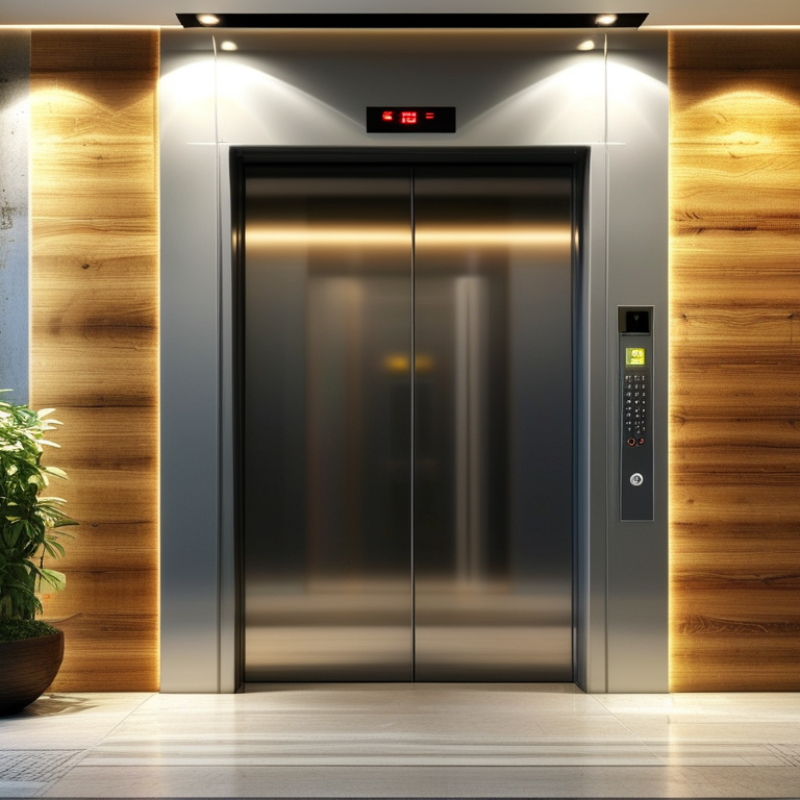
Elevators consume a significant amount of energy in buildings. Their energy usage depends on several key factors. The frequency of use is one major element. More trips mean higher energy consumption. A report from the International Energy Agency notes that elevators can account for 2-5% of a building's total energy use.
The building's design also plays a vital role in energy efficiency. For example, high-rise buildings need more robust systems, leading to increased energy demand. Moreover, older elevators often lack energy-efficient technology. Retrofitting these systems can reduce energy consumption by up to 40%.
Consider using regenerative drives. These drives recycle energy generated during the descent of elevators. They convert lost energy back into usable electricity. This can notably lower energy costs. Employing standby modes can also contribute. Elevators can enter standby when not in use, thus conserving energy. It is essential to analyze usage patterns for effective energy reduction. Many facilities overlook this analysis, which can lead to unnecessary energy consumption.
Elevators are essential in modern buildings, yet they consume significant energy. By implementing energy-efficient elevator technologies, we can dramatically reduce their impact. For instance, regenerative drives capture energy during descent and feed it back into the building’s power grid. This system not only lowers energy consumption but also decreases wear on mechanical components.
Another approach is using smart elevator systems that optimize travel routes. These systems rely on advanced algorithms to group passengers effectively. As a result, elevators make fewer stops and operate more efficiently, reducing idle times. However, these technologies require careful implementation, as they can be complex and may lead to initial disruptions in service.
Incorporating LED lighting within elevators enhances energy efficiency. LEDs consume less energy than traditional bulbs and have a longer lifespan. The challenge lies in ensuring consistent brightness and visibility, particularly in high-traffic areas. Building managers must also train staff to maintain these systems effectively, emphasizing the importance of regular inspections. This dedication ensures long-term reliability and performance of energy-efficient elevator technologies.
Elevator scheduling plays a crucial role in reducing energy consumption. Studies indicate that optimizing usage patterns can lead to a 20-30% decrease in energy usage. Many buildings still rely on outdated systems that don’t adapt well to varying traffic conditions. For instance, peak usage during morning hours could demand more efficient elevator allocation.
By implementing algorithms that prioritize passenger needs, buildings can minimize wait times and reduce unnecessary trips. Research has shown that clustering passengers heading to similar floors can be more efficient. This method maximizes the elevator’s load, ensuring fewer stops and cutting energy costs. In a typical office building, adjusting scheduling can save up to 15% in operational energy annually.
However, these changes are not without their challenges. Not all systems are equipped for such optimization. Some require significant upgrades or retrofitting, which comes at a cost. Additionally, user behavior is often unpredictable, sometimes leading to less efficient patterns. Addressing these issues means continuous monitoring and adjustments, always striving for a balance between energy savings and tenant satisfaction.
| Dimension | Current Status | Optimization Strategies | Projected Savings (%) |
|---|---|---|---|
| Peak Usage Times | 8:00 AM - 10:00 AM, 5:00 PM - 7:00 PM | Staggered Work Hours | 15% |
| Idle Time | 30% of total time | Smart Scheduling | 20% |
| Number of Floors | 15 | Destination Dispatch | 25% |
| Energy Efficiency | Old Systems | Upgrade to Regenerative Drives | 30% |
| User Behavior | High Usage during Downtime | User Education Campaigns | 10% |
Regular maintenance practices are crucial for improving elevator energy efficiency. Cleaning and lubricating components helps reduce friction and wear. Dirty or rusty parts can consume more energy. Regular inspections ensure that every part operates smoothly. If any component shows signs of wear, it should be replaced quickly. This simple step can prevent larger energy losses.
Testing the elevator's systems also plays a significant role. Examining the control systems for faults is essential. Sometimes, outdated software can increase energy consumption. Moreover, checking for leaks in the hydraulic systems is vital. Even minor leaks can lead to significant energy waste.
Education is key for those responsible for maintenance. Training staff on best practices helps in identifying issues early on. Regularly updating knowledge can mitigate the risk of overlooking problems. However, many facilities still struggle with consistent maintenance habits. Inconsistent schedules lead to reduced effectiveness and increased energy costs. Prioritizing reliable maintenance practices is a constant challenge, but essential for energy conservation.
Elevator energy consumption is a significant concern in modern buildings. Education plays a vital role in reducing this consumption. Users can make a difference by adopting energy-conserving habits. Research suggests that elevators account for up to 10% of a building's energy usage. Small changes in behavior can lead to substantial savings.
Promoting awareness about efficient elevator use is essential. For instance, using stairs instead of elevators for lower floors can decrease energy usage. A 2020 study indicated that if just 10% of building occupants chose stairs over elevators, energy savings could reach 5.6 million kilowatt-hours annually in a medium-sized office building. Such statistics highlight the impact of informed choices.
Creating reminders, like signs near stairwells, can encourage this behavior. Also, building management can host workshops to educate users. It's important to acknowledge that not everyone may be receptive to the change initially. Resistance might occur due to convenience preferences. Nonetheless, ongoing education and visible reminders can gradually shift habits, leading to long-term energy savings.
: Energy-efficient elevator technologies reduce energy consumption significantly. They include regenerative drives and smart systems that optimize travel routes.
Regenerative drives capture energy during descent and return it to the power grid. This lowers energy use and reduces wear on parts.
Smart elevators use advanced algorithms to group passengers. They reduce idle times, making travel more efficient and minimizing stops.
Regular maintenance helps reduce friction and wear. Dirty parts increase energy consumption, so cleaning and inspections are vital for efficiency.
Staff should be educated on best practices for maintenance. Regular training helps identify issues early and prevents overlooked problems.
Users can save energy by choosing stairs for short distances. Small behavioral changes can have significant energy savings in buildings.
Resistance to change is common. Some users may prefer convenience over energy savings, making awareness and reminders crucial for habit change.
Signs near stairwells can remind occupants to take the stairs. Visible reminders aid in shifting habits over time, promoting energy conservation.
Inconsistent maintenance can lead to increased energy costs. Regular schedules are essential for ensuring the efficiency of elevator systems.
Ongoing education and staff training are vital for energy-efficient practices. Building managers must prioritize long-term maintenance reliability.
In addressing the question of "How to reduce elevator energy consumption," several key factors come into play. Understanding the various elements that influence energy use is crucial, from the design and technology of the elevators to how they are utilized in everyday scenarios. Implementing energy-efficient technologies, such as regenerative drives and LED lighting, can significantly lower energy consumption.
Additionally, optimizing elevator scheduling and usage patterns can lead to more efficient operations, reducing unnecessary trips. Regular maintenance is also essential, ensuring that elevators run smoothly and efficiently. Finally, educating users on energy-conserving habits, such as waiting for the elevator and using stairs when possible, can collectively contribute to diminished energy usage. By focusing on these strategies, we can effectively tackle the challenge of elevator energy consumption.

Ascom Elevator