In recent years, the question of "Why is machine room-less elevator popular nowadays" has intrigued engineers and architects alike. According to Dr. Emily Carter, an industry expert at the National Elevator Institute, “Machine room-less elevators provide space-saving solutions that are ideal for modern buildings.” This reflects a significant shift in elevator design philosophy.
These elevators eliminate the need for a separate machine room, allowing for more flexible architectural spaces. They are compact and often more energy-efficient, aligning with sustainability goals in building design. The convenience of installation and maintenance adds to their appeal.
However, it's crucial to consider potential drawbacks, such as a reliance on specific technology and potential repair challenges. While they offer notable benefits, careful evaluation is essential. Achieving balance in technology and usability remains a key focus for the future of vertical transportation.
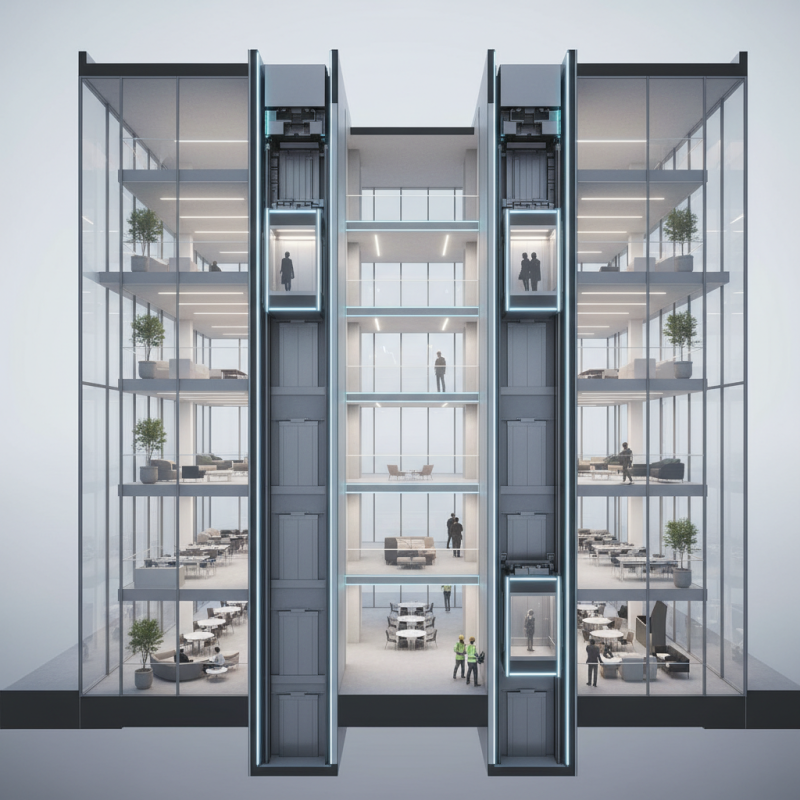
Advantages of Machine Room Less Elevators in Urban Environments
Machine Room Less (MRL) elevators are gaining traction in urban settings due to their numerous advantages. The absence of a dedicated machine room leads to a smaller footprint. This is critical in crowded cities where space is at a premium. According to a report by the International Elevator and Escalator Industry, MRL elevators can save up to 30% more space in a building compared to traditional systems.
Additionally, MRL elevators offer energy efficiency. They typically consume 30% less power than their counterparts with machine rooms. This reduction not only lowers operational costs but also contributes to a more sustainable urban environment. Many city planners are prioritizing green technologies, making MRL elevators an attractive option for new developments.
Tip: When considering installation, assess the shaft size. MRL elevators require careful planning to optimize space usage.
While MRL elevators present clear benefits, they are not without challenges. Maintenance can be trickier since components are often located within the hoistway. This may lead to higher costs if specialized technicians are needed. It’s crucial for building managers to partner with reliable service providers to mitigate these issues.
Tip: Regular inspections can help identify potential maintenance issues early on.
Innovations in MRL technology continue to evolve. Builders and architects are finding creative ways to incorporate these systems into their designs, reflecting the ongoing shift towards more efficient urban infrastructure.
Cost-Effectiveness and Energy Efficiency Statistics of MRL Elevators
Machine Room Less (MRL) elevators have become increasingly popular due to their cost-effectiveness and energy efficiency. These elevators save valuable building space by eliminating the need for a machine room. This results in reduced construction costs and allows for more flexible building designs. Furthermore, MRL elevators typically consume less energy compared to traditional systems. Data shows they use up to 30% less energy, contributing to lower electricity bills and decreasing the overall carbon footprint.
When considering MRL elevators, keep in mind the maintenance aspect. While they are usually low-maintenance, issues can arise. Regular checks are essential to avoid costly repairs down the road. Finding a qualified technician can make a significant difference. Ensure they have experience with MRL technology for optimal results.
It's also wise to look into the available energy-saving features. Some MRL elevators come equipped with regenerative drives. These systems convert excess energy back into the building's power grid. It's a win-win for both operational efficiency and sustainability. Make informed choices to maximize the benefits of your MRL elevator.
Space-Saving Benefits of MRL Elevators in Building Designs
Machine Room Less (MRL) elevators are gaining traction in modern building designs. These elevators offer significant space-saving benefits. A report from the Elevator World Journal states that MRL elevators can save up to 25% more usable space compared to traditional elevators. This is crucial in urban environments where square footage is at a premium. Designers can utilize the saved space for additional amenities or more rentable areas.
Furthermore, MRL elevators can reduce the overall footprint of a building. The absence of a dedicated machine room allows for greater flexibility in architectural layouts. According to the International Code Council, this flexibility can lead to more efficient building designs, enhancing overall aesthetics. Yet, not all designs benefit from MRL systems. Certain buildings may require more robust machinery, impacting design choices.
The installation costs for MRL elevators can sometimes be higher, given the advanced technology involved. However, their long-term energy efficiency may offset initial expenses. The U.S. Department of Energy points out that efficient elevators use less energy, thus lowering operational costs over time. This is an attractive option for both developers and property managers. Choosing the right elevator system requires careful consideration of building type, traffic flow, and budget constraints.
Safety Enhancements Offered by Modern Machine Room Less Elevators
Modern machine room less (MRL) elevators are gaining traction due to significant safety enhancements they provide. These elevators operate without a traditional machine room, allowing for better space utilization in buildings. The absence of a dedicated machine room simplifies the overall design and reduces construction costs. However, this innovation does come with challenges that need consideration.
Safety features are a top priority in MRL elevators. Many models incorporate advanced braking systems, ensuring immediate response during an emergency. Additionally, automatic rescue devices are often included, allowing the elevator to safely descend to the nearest floor in case of a power failure. Despite these advancements, there can be concerns about maintenance and emergency protocols. Users must stay informed about the specific safety measures necessary for MRL elevators.
Another key aspect is the integration of modern technology. Some elevators use sensors to detect overcrowding or mechanical issues. This proactive approach can prevent accidents and enhance passenger safety. Yet, reliance on technology comes with its own risks. If sensors fail or malfunction, the safety net could be compromised. Awareness and frequent inspections are vital to maintaining trust in these systems.
Top 10 Reasons Why Machine Room Less Elevators Are Popular Now? - Safety Enhancements Offered by Modern Machine Room Less Elevators
| Reason |
Description |
Safety Enhancement |
| Space Efficiency |
Eliminates the need for a machine room, allowing more usable space in buildings. |
Reduced risks of entrapment with fewer moving parts. |
| Energy Efficiency |
Uses less energy compared to traditional elevators. |
Environmentally friendly with reduced carbon footprint. |
| Quieter Operation |
Produces less noise during operation, enhancing user comfort. |
Lower stress levels for occupants in nearby areas. |
| Simpler Installation |
Easier to install in existing buildings or new constructions. |
Less structural alteration required, minimizing hazards during installation. |
| Advanced Technology |
Incorporates cutting-edge technology for better performance. |
Enhanced safety features such as intelligent control systems. |
| Space Flexibility |
Adaptable to various building designs and layouts. |
Ensures accessibility and compliance with building codes. |
| Maintenance Ease |
Requires less maintenance effort and resources. |
Fewer mechanical failures reduce risk to users. |
| Increased Safety Features |
Integrates multiple safety mechanisms. |
Emergency braking systems and redundancy safeguards. |
| Modern Aesthetics |
Visually appealing designs that complement contemporary architecture. |
Enhances overall safety by promoting visibility and awareness. |
| User Experience |
Provides smoother rides and faster travel times. |
Improved user satisfaction and reduced anxiety during rides. |
Technological Innovations Driving the Popularity of MRL Elevators
Machine room less (MRL) elevators are becoming increasingly popular due to several technological innovations. These elevators eliminate the need for a traditional machine room, freeing up valuable real estate in buildings. According to a 2022 report by the Elevator World Industry, MRL elevators can save up to 30% in energy consumption compared to conventional systems. The use of permanent magnet gearless motors contributes significantly to this efficiency. These motors take up less space and operate more quietly, enhancing the user experience.
Additionally, advancements in control technologies are driving MRL elevator popularity. Modern control systems optimize traffic management, reducing wait times and improving service. A study from the International Association of Elevator Engineers in 2023 indicated that smart MRL systems increase operational efficiency by up to 25%. However, the reliance on sophisticated technology can occasionally lead to challenges in maintenance and repairs, as specialized knowledge may be required. Some elevators may experience downtime due to a lack of readily available parts.
These advancements also focus on sustainability. MRL elevators generate less heat and require fewer resources for installation. However, the implementation may present hurdles for older buildings. Retrofitting existing structures can be complex, raising questions about feasibility and cost-effectiveness. As urban centers grow, building owners must weigh the benefits against potential obstacles.
Conclusion
Machine room-less (MRL) elevators are gaining popularity for several compelling reasons. Urban environments benefit significantly from their advantages, as they are more cost-effective and energy-efficient compared to traditional elevators. Statistics show that MRL elevators consume less energy, contributing to lower operational costs and a reduced carbon footprint. Additionally, their design inherently saves space, making them ideal for modern building layouts that prioritize efficiency and functionality.
Safety is another key factor driving the popularity of machine room-less elevators nowadays. With advanced technology, these elevators incorporate enhanced safety features that meet or exceed industry standards. Innovations such as smart controls and advanced braking systems not only improve user experience but also foster confidence in their reliability. Ultimately, understanding why machine room-less elevators are popular nowadays reveals a combination of practicality, safety, and cutting-edge technology, making them an attractive choice for urban developers and consumers alike.

 Ascom Elevator