In today's fast-paced business environment, efficiency is key. One critical component that can elevate your operations is an elevator lifting system. Businesses across various sectors depend on this technology for smooth movement of goods and people. Understanding how does an elevator lifting system work is crucial for optimizing your workspace.
This system combines mechanical and electrical engineering principles. It operates through a series of pulleys and motors. But, damning to some, it can be complex and might require regular maintenance. Many overlook the importance of proper installation and safety measures. Yet, these aspects determine the efficiency and longevity of the system.
While the benefits are clear, challenges exist. Downtime due to repairs can affect productivity. Investing in a quality system is important, but it’s essential to hire skilled professionals for installation and upkeep. Reflecting on these factors can help you make informed decisions about your business’s lifting solutions.
Understanding the Basics of Elevator Lifting Systems
Elevator lifting systems are essential for modern businesses. They provide efficient movement of goods and people within buildings. A well-designed system improves accessibility and enhances the overall user experience. Understanding the basics can help businesses make informed decisions.
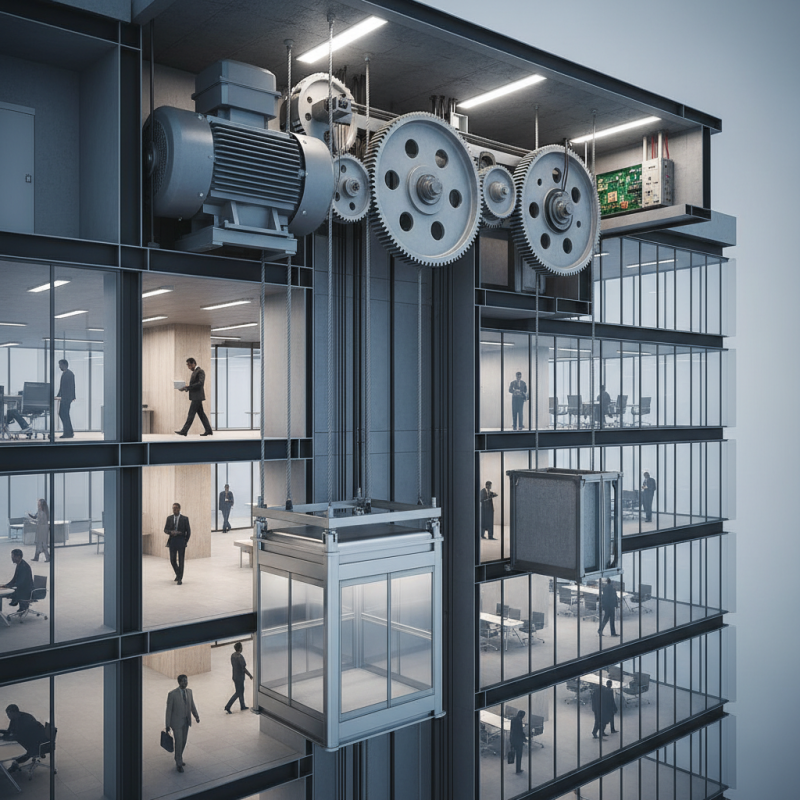
Components of an elevator system include the motor, cables, and control panel. The motor powers the lift, while the cables support the weight. Simple, right? However, many overlook maintenance needs.
Regular checks prevent breakdowns and ensure safety. It’s crucial to train staff on basic operational procedures.
One common challenge is sizing. Not every building needs the same type of elevator. Oversizing can waste space and energy. Conversely, undersizing can lead to traffic issues. Assessing your specific needs is vital.
Creating a layout that factors in foot traffic can improve efficiency. Reflection on these points can lead to better long-term planning.
Key Components of Elevator Lifting Systems for Businesses
Elevator lifting systems are essential for many businesses. They improve accessibility, enhance workflow, and promote safety. To ensure efficient operation, businesses must understand the key components involved.
One vital element is the motor. This component drives the elevator. It converts electrical energy into mechanical energy. Next, the pulley system plays a crucial role. It uses cables and sheaves to lift the elevator. This mechanism can become worn over time, requiring regular maintenance.
Another important component is the control system. This part manages the elevator's movements, ensuring it stops at the correct floors. An outdated control system can lead to delays. Regular upgrades can improve efficiency. Additionally, safety features like emergency brakes are non-negotiable. They prevent accidents and ensure a safe ride. Elevators must be tested frequently to uphold safety standards. While these systems are complex, understanding their components can lead to better service and reliability.
How Elevator Lifting Systems Improve Operational Efficiency
Elevator lifting systems are essential for enhancing operational efficiency in businesses. They streamline the movement of goods and people, saving time and reducing physical strain. With a well-designed elevator system, you can transport items swiftly between floors. This is particularly important in busy environments like warehouses and retail spaces.
Implementing an elevator system can lead to significant operational improvements. For example, fewer employee hours are spent transporting goods manually. However, it is crucial to consider the placement and size of the elevator. Poor designs can lead to delays. Evaluate your building layout to minimize wait times and optimize flow.
Tips for selecting an elevator include assessing your specific needs first. Think about the weight and size of the items you frequently transport. This will ensure you choose a system that fits your business requirements. Regular maintenance checks can prevent breakdowns. Always reflect on how your current system can be improved, even if it seems efficient. Adaptability is key in today's fast-paced world.
How does an elevator lifting system work for your business? - How Elevator Lifting Systems Improve Operational Efficiency
| Feature |
Benefit |
Operational Efficiency Impact |
Typical Application |
| Speed Control |
Reduces waiting time for users |
Increases overall productivity |
High-rise buildings |
| Energy Efficiency |
Lowers operating costs |
Contributes to sustainability goals |
Commercial and residential buildings |
| Safety Features |
Ensures user safety during operation |
Reduces accidents and liabilities |
Public facilities |
| Smart Technology Integration |
Enhances user experience and control |
Streamlines operations and maintenance |
Smart buildings |
| Load Capacity Management |
Optimizes transport of goods and people |
Reduces downtime and inefficient trips |
Warehouses and distribution centers |
Safety Features in Elevator Lifting Systems
Elevator lifting systems are crucial for businesses, ensuring safe vertical transportation. Safety features in these systems are essential for protecting passengers and cargo. According to a report by the American National Standards Institute (ANSI), about 30% of elevator incidents are caused by mechanical failure. This underscores the importance of robust safety mechanisms.
Emergency braking systems are a key component. They activate if the elevator accelerates too quickly or if there is a loss of control. Additionally, many systems include redundant safety brakes, ensuring that even if one fails, another will engage. Moreover, door sensors can prevent accidents by stopping the doors from closing if an object is detected. These technologies are vital for maintaining a safe environment.
However, not all businesses invest in cutting-edge systems. In fact, a significant percentage of older elevators lack modern safety features. This raises concerns about compliance with safety regulations. Regular inspections and maintenance are necessary to mitigate risks. A proactive approach can prevent potential disasters while ensuring that lifting systems function smoothly. The reliability of safety features ultimately affects employee confidence and overall operational efficiency.
Maintenance and Troubleshooting of Elevator Lifting Systems
Elevator lifting systems are crucial for businesses that rely on efficient vertical transportation. Regular maintenance is essential to ensure optimal performance. A study by the National Elevator Industry, Inc. states that about 90% of all elevator malfunctions can be avoided with proper care. This involves routine checks on essential components like cables, pulleys, and motors.
Troubleshooting is equally important. Common issues include unexpected stops or jerky movements. These can be indicative of wear and tear. According to the U.S. Department of Labor, elevators should be inspected at least once a year, but businesses with high usage may require more frequent examinations. Proper training and understanding of these systems can help staff identify minor problems before they escalate.
The failure to address maintenance can lead to significant downtime. This impacts not only operational efficiency but also customer experience. Investing in timely repairs is necessary. Statistics reveal that maintenance costs are often lower than repair costs after widespread failures. Thus, fostering awareness of maintenance practices within your team is vital for sustainable operations.
Conclusion
Elevator lifting systems play a crucial role in enhancing the efficiency of businesses by facilitating the movement of goods and personnel between various floors. Understanding how does an elevator lifting system work is essential for maximizing its benefits. The system consists of several key components, including motors, pulleys, and control panels, which work together to ensure smooth operation.
These systems not only streamline operations but also contribute to safety with built-in features designed to protect users and equipment. Regular maintenance and troubleshooting are vital to keep the lifting systems functional and reliable. By investing in these mechanisms, businesses can significantly improve their operational workflows, reduce downtime, and enhance overall productivity.

 Ascom Elevator