Elevator technology is evolving rapidly, significantly impacting global markets. Industry reports suggest that the global elevator market is projected to grow by 6.6% annually, reaching over $124 billion by 2027. This growth is influenced by urbanization, smart building designs, and sustainability demands.
What is the future development trend of elevator technology? Advanced features like IoT integration, artificial intelligence, and energy efficiency are at the forefront. For instance, AI systems can predict maintenance needs, minimizing downtime. As cities expand vertically, elevators must adapt to manage higher traffic efficiently.
However, the shift to smarter elevators is not without challenges. Integration issues and high initial costs can hinder adoption. Moreover, safety concerns remain paramount. Trust in new technologies is crucial for acceptance. Engaging with these developments requires careful consideration of both benefits and limitations, ensuring a balanced approach to modernization.
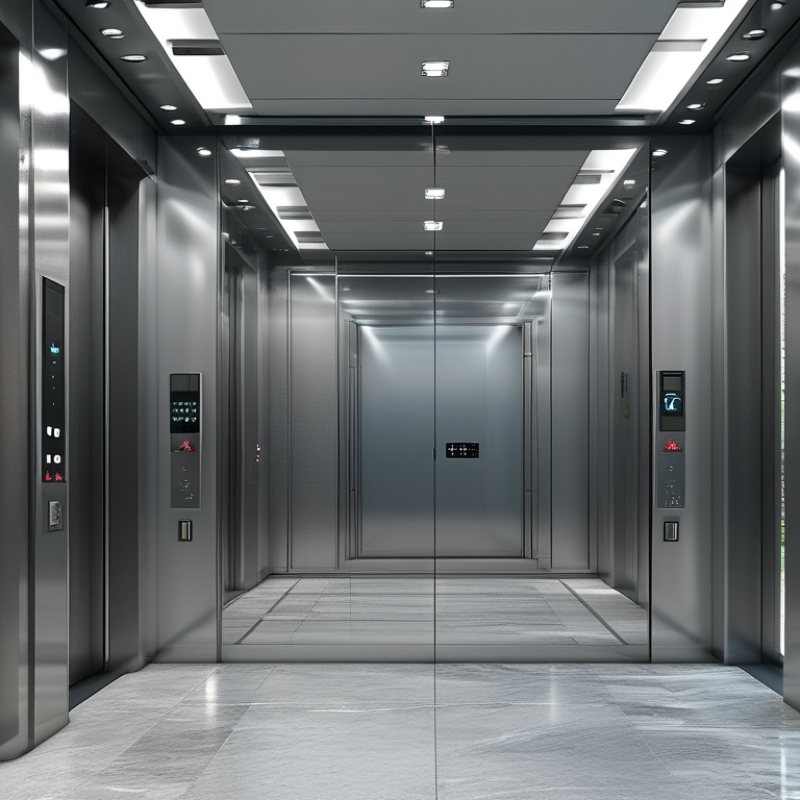
Elevator design is evolving rapidly. Innovations are addressing space efficiency, energy consumption, and user experience. Architects and engineers are tasked with creating solutions that meet modern needs. Vertical transportation must adapt to urban environments that are becoming increasingly crowded.
One emerging trend is the integration of smart technology. Elevators can now monitor usage patterns and adjust performance accordingly. This optimizes energy consumption, providing a sustainable option for building owners. Advanced control systems are making rides smoother and more enjoyable for passengers.
Tips: Consider how elevator aesthetics impact building design. A visually appealing elevator can enhance the overall ambiance. Lighting and materials should create a welcoming environment. Also, think about accessibility features that cater to all users. Ensuring a seamless experience should be a priority for designers.
The focus on eco-friendly materials is increasing. Using recyclable components can reduce the carbon footprint. However, there are challenges in balancing efficiency with durability. As designs evolve, maintaining safety and reliability remains crucial. These innovations might seem promising, yet their implementation requires critical evaluation and testing.
Smart elevators are transforming urban mobility. These elevators integrate IoT technology, allowing them to communicate and respond to user needs in real-time. Sensors monitor the elevator's condition, enabling predictive maintenance. This reduces downtime and enhances user safety.
Data analytics play a crucial role in optimizing efficiency. By analyzing usage patterns, elevators can adjust their operations to reduce energy consumption. They can prioritize car assignments based on demand. However, reliance on data also raises questions about privacy and security. Users may be concerned about data collection practices.
As technology improves, smart elevators will become more ubiquitous. The potential for increased automation and connectivity is exciting but requires careful consideration. Balancing innovation with user trust is essential. The future of elevator technology is bright, but it challenges us to rethink our relationship with these systems.
Elevator technology is rapidly evolving, especially regarding sustainability and energy efficiency. Modern consumers demand eco-friendly solutions as they become more aware of their environmental impact. This trend has led to the development of elevators that utilize regenerative drives. These systems capture energy during operation and feed it back into the building's power grid. This innovation is not just theoretical; many installations report significant energy savings, reducing operational costs.
The use of sustainable materials in elevator construction is another important trend. Manufacturers are exploring recyclable and low-impact materials to limit waste. Minimalist design approaches also emphasize energy efficiency. However, the challenge remains in balancing aesthetics with functionality. Some designs may use excessive materials or lack energy-efficient features. Building owners must assess their choices carefully.
Furthermore, innovative technologies like IoT and AI are increasingly integrated into elevator systems. These allow for real-time monitoring and predictive maintenance, helping to enhance energy efficiency further. Yet, there are concerns about data privacy and system vulnerability. Buyers must weigh the benefits of technology against these potential risks. Investing in sustainable elevator solutions is a step towards creating a greener future, but it requires thoughtful engagement from all stakeholders.
| Technology | Description | Energy Efficiency (%) | Sustainability Feature |
|---|---|---|---|
| Regenerative Drives | Captures and reuses energy during descent | 30% - 70% | Energy Generation |
| Smart Elevators | Utilizes IoT for predictive maintenance and routing | 20% - 50% | Data Optimization |
| Vacuum Elevators | Uses air pressure instead of cables or pulleys | 50% - 70% | Minimized Material Use |
| LED Lighting | Energy-efficient lighting for elevator cabins | 50% - 80% | Reduced Carbon Footprint |
| Biodegradable Materials | Use of sustainable materials for construction | N/A | Eco-friendly Construction |
The future of elevator technology is captivating, especially with the rise of autonomous and robotic elevators. These innovations can redefine urban transportation. According to a recent industry report, the global market for these technologies is projected to grow by over 20% annually in the next five years. This significant growth is driven by increasing urbanization and the demand for smart building solutions.
Robotic elevators utilize advanced sensors and algorithms to enhance efficiency. They can navigate traffic patterns in real-time, optimizing wait times. However, these technologies face challenges, such as integration with existing infrastructures. Many buildings may not be ready for such radical changes. Moreover, safety concerns must be addressed. Autonomous systems must ensure reliability and security to gain public trust.
Despite these hurdles, the potential benefits are vast. Expect to see elevators that can transport goods and people seamlessly. As developers explore these technologies, real-world testing is crucial. Future outcomes depend on robust data collection and user feedback. These early experiments could reveal insights that might shape future designs. Balancing innovation with practicality will be essential for the successful rollout of autonomous and robotic elevators.
Elevator technology is advancing rapidly, with safety enhancements at the forefront. Manufacturers are focusing on smarter systems that reduce accidents. Modern sensors detect issues before they escalate. These systems ensure elevators operate smoothly, preventing malfunctions.
Regular safety inspections are essential. These checks help identify potential problems early. Buyers should prioritize elevators with updated safety features. Look for technology that includes emergency communication systems. These systems can notify authorities immediately in case of an emergency.
When considering new elevator systems, think about their adaptability. Elevators must accommodate different building types. Flexibility in design allows for compliance with evolving safety standards. Regular training for maintenance personnel is crucial. Knowledgeable staff can address issues promptly. This proactive approach mitigates risks and enhances user confidence.
: Regenerative drives capture energy during operation and feed it back into the building's power grid.
Using recyclable and low-impact materials reduces waste, but balancing aesthetics with functionality is a challenge.
IoT allows for real-time monitoring and predictive maintenance, improving overall energy efficiency.
There are concerns about data privacy and system vulnerability that need careful consideration.
Autonomous elevators can optimize traffic patterns and wait times, improving user experience significantly.
Integration with existing infrastructures and addressing safety concerns are major hurdles for robotic elevator systems.
Real-world testing provides insights from user feedback, crucial for refining future designs.
The market for autonomous and robotic elevators is projected to grow over 20% annually in the next five years.
Owners must assess their choices carefully to avoid excessive materials and ensure energy-efficient features.
The goal is to foster a greener future, but it requires thoughtful engagement from all stakeholders involved.
The future development trend of elevator technology looks promising as it evolves to meet the demands of modern architecture and urban living. With innovations in elevator design and architecture, we can expect sleek and efficient systems that seamlessly integrate into buildings. Smart elevators, leveraging IoT and data analytics, will enhance user experience through predictive maintenance and personalized features, making them more responsive to passenger needs.
Additionally, sustainability is becoming a key focus, with energy-efficient solutions reducing the carbon footprint of vertical transportation. The advent of autonomous and robotic elevators marks a significant leap forward, potentially reshaping how we think about mobility within buildings. Lastly, safety enhancements and modern standards are paramount, ensuring that new technologies comply with evolving regulations and prioritize user well-being. Together, these trends highlight a transformative period in elevator technology, catering to a future that emphasizes innovation, efficiency, and safety.

Ascom Elevator