As urban environments evolve, the demand for efficient vertical transportation continues to rise. Elevator systems play a critical role in modern buildings, affecting both speed and capacity. Understanding "What factors affect elevator speed and capacity" is essential for architects, engineers, and building managers.
Several elements influence performance, including design, technology, and building structure. For instance, advanced control systems and smart algorithms enhance speed but require significant investment. Additionally, weight capacity depends on the materials used and safety standards compliance. Choices made during the design phase reflect on long-term efficiency and user satisfaction.
However, not all decisions yield optimal results. Increasing speed could lead to safety issues if not managed properly. Engineers face a balancing act; higher capacity may not always align with speed improvements. This ongoing challenge needs thoughtful consideration, as it impacts user experience and building functionality. Though these complexities exist, striving for innovation in elevator systems remains crucial for accommodating future urban growth.
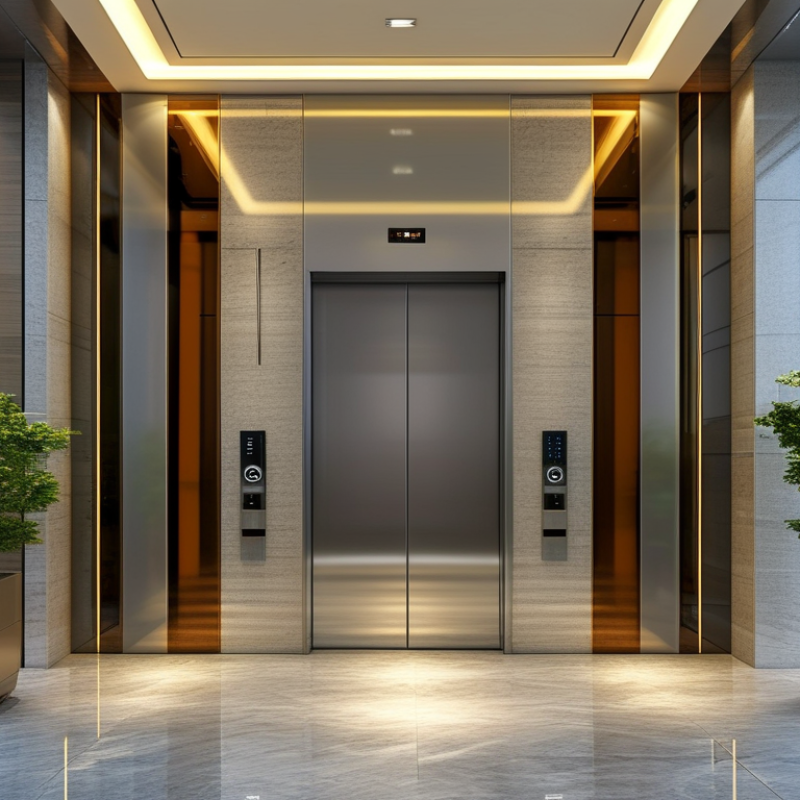
Elevator speed and capacity are crucial factors in modern high-rise buildings. With the push for taller structures, understanding these elements becomes vital. In 2026, advancements in technology and engineering will shape the performance of elevators. The average speed of elevators in high-rises today ranges from 1 to 10 meters per second. According to industry reports, many new designs aim for speeds surpassing 10 meters per second. These changes meet the demands of urban populations in densely populated areas.
The capacity of an elevator also plays a significant role. Current trends show that the average elevator can carry about 1,000 to 2,500 kilograms. However, future designs foresee an increase to 3,000 kilograms or more to accommodate larger groups. This will reduce wait times and improve overall efficiency. Developers face challenges in balancing speed, capacity, and energy consumption. As speeds increase, energy demands will rise unless advancements in sustainable technologies are made.
Tips: Consider the elevator’s destination dispatch system. Smart elevators can optimize flow and efficiency. Regular maintenance of elevators also ensures their performance. This not only improves speed but enhances the lifespan of equipment. Remember, user experience matters; smooth rides can significantly impact satisfaction levels.
Elevator speed and capacity are influenced by various factors, particularly in urban environments. In densely populated areas, high-rise buildings require elevators that can efficiently transport large numbers of people. The population density directly affects capacity requirements. For instance, buildings in downtown regions often need elevators that can accommodate more passengers. The design must balance speed and capacity to ensure user satisfaction.
Tips: Assess your building's location and foot traffic. This will provide insights into the needed elevator capacity. Analyzing peak usage times can help in scheduling maintenance and upgrades effectively.
Moreover, elevator designs should reflect the unique demands of each building. If a building is frequently occupied, it may require multiple elevators or high-speed options. However, high speed can lead to longer wait times during peak hours. A thoughtful design should consider both speed and capacity, making adjustments when necessary.
Tips: Regularly evaluate elevator performance. If wait times increase, consider optimizing the system. This can involve adding more elevators or improving scheduling efficiency.
| Population Density (people/sq km) | Elevator Speed (m/s) | Elevator Capacity (kg) | Travel Time (seconds) |
|---|---|---|---|
| 100 | 1.0 | 600 | 30 |
| 500 | 1.5 | 750 | 25 |
| 1000 | 2.0 | 1000 | 20 |
| 1500 | 2.5 | 1200 | 18 |
| 2000 | 3.0 | 1500 | 15 |
In 2026, the elevator industry is seeing remarkable advancements. New materials and designs enhance efficiency. Lightweight composites reduce weight without sacrificing strength. These innovations allow for faster travel speeds. Modern elevators now use magnetic levitation, minimizing friction and boosting speed.
Smart technology plays a crucial role. Elevators equipped with AI can predict demand. They learn peak usage times, optimizing performance. This leads to reduced waiting times for users. Touchless controls improve hygiene and convenience. Overall, these features contribute to a more efficient experience.
However, challenges remain. Integrating these technologies can be costly. Not all buildings can accommodate upgrades. Safety regulations also pose hurdles. It's essential to balance progress with practicality. Future developments must consider these factors for widespread adoption.
In 2026, elevator speed and capacity are increasingly influenced by regulatory standards. These standards are essential to ensure safety, efficiency, and reliability amidst rising urbanization. Organizations like the American Society of Mechanical Engineers (ASME) continuously update their codes to align with technological advancements. For instance, compliance with the ASME A17.1 standard is crucial for achieving optimal performance metrics in elevators.
Elevator performance is not solely defined by mechanical capabilities. The regulatory landscape dictates how fast elevators can operate and how much weight they can carry. Studies show that elevators adhering to stringent regulations often report better performance and reduced downtime. This helps in increasing urban productivity by minimizing wait times. However, not all buildings can meet these standards, leading to potential inefficiencies.
Tips: Regular maintenance and timely upgrades can help elevators meet evolving regulations. Building designers should consider the integration of smart technology. This ensures compliance with current standards and prepares for future changes. Staying informed on regulatory updates is crucial for all stakeholders involved in elevator operations. Failing to do so can result in costly retrofits and safety hazards. Balancing performance with regulatory requirements remains a challenge, requiring continuous monitoring and adaptation.
Energy efficiency is becoming a key factor in modern elevator systems, especially in urban areas. As buildings reach new heights, the demand for faster and more capable elevators rises. This trend pushes manufacturers to innovate not just in speed, but also in energy consumption. Many systems now incorporate regenerative drives, which capture energy during braking. This captured energy can then be reused, reducing overall power requirements.
In addition, urban planners increasingly focus on integrating elevators into smart building designs. This involves using intelligent controls that assess flow patterns and optimize resource use. Sensors can adjust elevator behavior based on peak times, minimizing energy waste. However, challenges remain in balancing speed and energy efficiency. Elevators that travel quickly may still consume more energy during peak hours, leading to overly complex systems.
Moreover, maintaining accessibility while improving efficiency is a pressing issue. Elevators must serve all floors, but some advanced systems struggle to accommodate slower users. It’s essential to remember that safety and usability should never be compromised. As we advance, stakeholders must reflect on these elements, questioning whether speed alone is the solution. A holistic approach may yield more sustainable and user-friendly outcomes.
: Elevator speed is influenced by technology, engineering advancements, and user demands in urban areas.
Current elevators range from 1 to 10 meters per second, with future designs aiming to exceed 10 meters per second.
Most elevators currently carry between 1,000 to 2,500 kilograms, with future designs aiming for capacities over 3,000 kilograms.
High population density requires elevators that can transport large groups efficiently, affecting both speed and capacity needs.
Regular maintenance ensures optimal performance, improves speed, and increases the lifespan of elevator systems.
Smooth, fast rides greatly enhance satisfaction; however, higher speed can sometimes lead to longer wait times.
Assess location, foot traffic, and peak usage times to determine necessary elevator capacity and speed requirements.
Balancing speed, capacity, and energy consumption while meeting modern demands is a significant challenge for developers.
Multiple elevators or high-speed options may be needed, but careful planning is essential to avoid long wait times.
Regular performance evaluation is key. If wait times increase, consider adding elevators or improving scheduling to enhance efficiency.
In 2026, the speed and capacity of elevators are influenced by several critical factors. Key among these are population density and the resulting capacity requirements in urban environments, where high-rise buildings are increasingly common. This demographic shift necessitates advancements in elevator design to ensure efficient transport within skyscrapers. Additionally, technological innovations play a significant role in enhancing elevator performance, with smart systems and AI integration optimizing speed and energy consumption.
Regulatory standards also impact elevator performance metrics, ensuring safety and reliability in increasingly populated areas. Energy efficiency considerations are another vital factor, as urban settings demand sustainable solutions to reduce environmental footprints. As we explore what factors affect elevator speed and capacity, it’s clear that a combination of design, technology, regulations, and sustainability will shape the future of vertical transportation in cities.

Ascom Elevator