In the world of elevators, the longevity of mechanical parts is crucial. Experts emphasize the importance of maintenance. John Smith, a renowned elevator systems engineer, asserts, "Regular maintenance can significantly reduce wear and tear on elevator components." This insight leads us to the question of how to extend the lifespan of elevator mechanical parts.
Proper lubrication is vital. It prevents friction and reduces the likelihood of breakdowns. Regular inspections help identify issues early. Ignoring minor problems can lead to major repairs. Elevators operate continuously, and their parts endure significant strain. This reality necessitates a proactive approach for optimal performance.
Many operators overlook the importance of proper load management. Overloading can hasten wear and tear. Additionally, keeping the elevator clean can prevent dust accumulation. Each detail matters in extending the lifespan of elevator components. While these steps seem straightforward, their consistent application is where many falter, revealing a gap in practice that needs addressing.
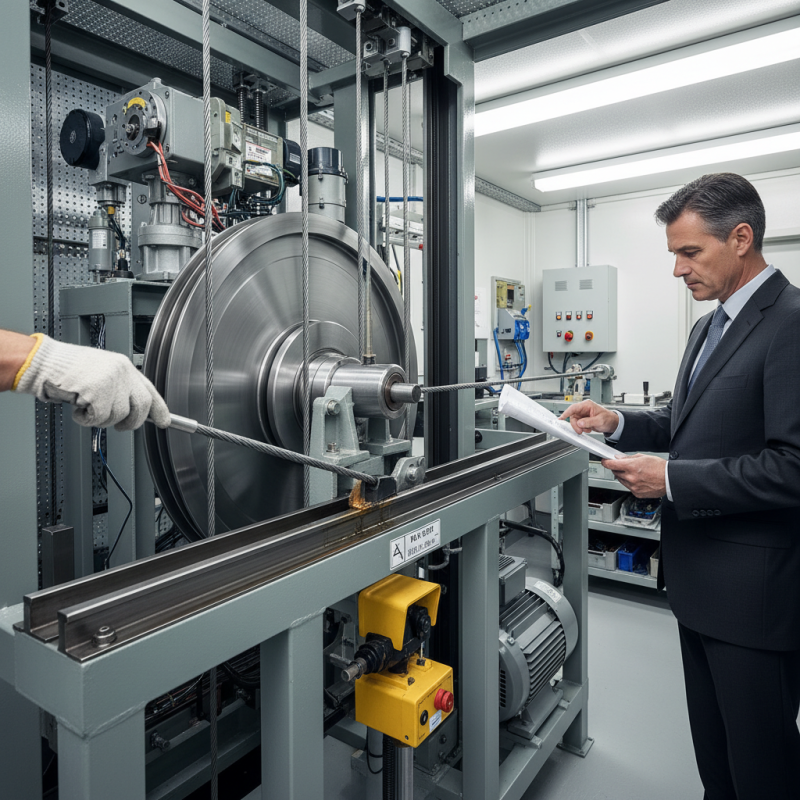
Understanding the Importance of Elevator Mechanical Parts Lifespan
Understanding the lifespan of elevator mechanical parts is crucial. A report from the Institute of Elevator Engineers indicates that mechanical parts constitute up to 70% of all maintenance issues. When these components fail, it leads to costly repairs and service interruptions. This underscores the need for proper care and maintenance.
Regular inspection and servicing of elevator parts can extend their life significantly. The average lifespan of elevator components is around 20 years. However, poor maintenance can reduce this to just 10 years. Simple actions like lubricating moving parts and checking for alignment can make a difference.
Tips for improving lifespan include ensuring proper load management and avoiding overuse. Regularly clean components to prevent dust and grime buildup. Schedule professional evaluations for complex systems. Taking these proactive measures fosters reliability, ensuring that elevators function smoothly while extending the life of essential components. Regular engagements with technicians provide valuable insights for improvements.
Extend Elevator Mechanical Parts Lifespan with These Tips
| Tip |
Description |
Frequency |
Benefits |
| Regular Inspections |
Conduct routine checks on mechanical parts and system performance. |
Monthly |
Identifies issues early and prevents major failures. |
| Lubrication |
Apply appropriate lubricants to moving parts to reduce wear. |
Every 3 months |
Minimizes friction and prolongs the life of components. |
| Replace Worn Parts |
Replace any parts that show signs of significant wear or damage. |
As needed |
Prevents breakdowns and maintains safety. |
| Upgrade Components |
Upgrade older parts with newer technology that improves efficiency. |
Every few years |
Enhances performance and energy savings. |
| Monitor Load Capacity |
Ensure that weight limits are not exceeded during operation. |
Continuous |
Reduces strain on components and extends lifespan. |
Common Factors Affecting Elevator Mechanical Parts Durability
Elevators are crucial in modern buildings, and the durability of their mechanical parts is vital. Several factors impact the lifespan of these components. Environment plays a significant role. Dust and moisture can accelerate wear. A report from the American Society of Mechanical Engineers indicates that environmental exposure can reduce component life by up to 25%. Regular maintenance is necessary to combat this issue.
Operational stress is another critical factor. Frequent starting and stopping can put extra strain on mechanical parts. According to a study by Elevator World, excessive use can lead to failures in as little as three years if not monitored. Proper usage guidelines, like limiting the number of passengers or weight, can enhance longevity.
It's widely acknowledged that user habits affect performance, yet many overlook this aspect. Quality of lubricants also matters. Poor lubrication can cause overheating, leading to premature failure. Research suggests that using the correct type and quantity can extend life by about 15%. Regular inspections tailored to specific conditions are essential. However, many elevator systems lack a proactive approach, often resulting in unexpected breakdowns. Addressing these factors creates a more reliable elevator experience.
Regular Maintenance Practices for Prolonging Elevator Components
Regular maintenance of elevator components is essential for extending their lifespan. Many components like cables, pulleys, and motors wear down over time if not properly cared for. A proactive approach to maintenance can prevent costly breakdowns and ensure safety.
One tip is to schedule routine inspections. These allow technicians to identify potential issues before they escalate. Regular lubrication of moving parts is vital as well. It reduces friction and keeps components running smoothly. Remember to check the alignment of pulleys; misalignment can lead to increased wear.
Monitoring usage patterns is another practical tip. High traffic might necessitate more frequent maintenance. Keeping a detailed log of service records enhances accountability. Conducting tests on safety systems can also reveal hidden faults.
Ensure that all maintenance is performed by qualified professionals. This guarantees the proper techniques are used, protecting both the elevator and its users. Regular maintenance may seem like an inconvenience, but the benefits far outweigh the costs.
Signs Indicating the Need for Replacement of Elevator Parts
Elevators are essential in buildings, and their parts can wear down over time. Recognizing signs for replacement is crucial. For instance, unusual noises during operation can indicate trouble. If the elevator shakes or experiences jerky movements, it’s time to inspect the mechanical components. Rust or corrosion on metal parts should not be ignored. These signs often mean parts are nearing the end of their lifespan.
Proper maintenance can prolong these parts' durability. Regular lubrication keeps moving components functioning smoothly. Be sure to check and tighten screws and bolts to prevent further damage. Routine inspections by seasoned professionals can catch issues early. This can save time and cost in the long run.
It’s also vital to monitor weight limits. Frequent overloading can exacerbate wear and tear. If repairs start to become frequent, consider evaluating each part's condition. This approach prevents unexpected breakdowns and ensures safety. Remember, safety and efficiency go hand in hand in elevator operations.
Best Practices for Selecting Quality Mechanical Parts for Elevators
When selecting mechanical parts for elevators, quality is paramount. According to a report by the International Organization for Standardization (ISO), using high-quality components can improve the longevity of elevator systems by up to 30%. This statistic highlights the impact that proper material selection has on operational life. Stainless steel and high-grade alloys often outperform standard materials, providing enhanced durability in demanding environments.
Paying close attention to components such as rollers, pulleys, and sheaves is essential. In a study conducted by the Elevator Industry Association, it was found that nearly 40% of elevator failures stem from subpar mechanical parts. Frequent inspections combined with the “Right Parts” strategy is critical. Regular maintenance ensures that parts remain in optimal condition, extending their useful lifespan.
It’s important to note that even when the right components are installed, neglecting routine checks can lead to significant issues. Accessibility for repairs should also be factored into the selection process. Poorly designed parts could hinder maintenance efforts, potentially leading to lengthy downtimes. Heeding these considerations will help enhance the reliability and efficiency of elevator systems, while also addressing the need for quality and accountability in part selection.
FAQS
: Knowing the lifespan helps prevent costly repairs and service interruptions.
Mechanical parts account for up to 70% of all maintenance issues.
The average lifespan of components is around 20 years.
Poor maintenance can reduce the lifespan to just 10 years.
Lubricating moving parts and checking alignment can significantly improve performance.
Proper load management prevents overuse, preserving the integrity of components.
Inspections help technicians catch potential issues before they escalate into major problems.
Regular lubrication reduces friction and ensures smooth operation of components.
Understanding usage patterns may indicate when more frequent maintenance is necessary.
Qualified professionals use correct techniques, enhancing safety and efficiency.
Conclusion
To extend the lifespan of elevator mechanical parts, understanding their durability and longevity is crucial. Factors such as environmental conditions, usage frequency, and maintenance practices significantly impact the overall durability of these components. Regular maintenance, including inspections and timely servicing, plays an essential role in prolonging the life of elevator parts.
Recognizing the signs that indicate the need for replacement is also vital to prevent potential malfunctions. Furthermore, selecting high-quality mechanical parts when upgrading or replacing components can have a lasting effect on the elevator's performance. In summary, by applying effective maintenance routines and making informed choices about mechanical parts, one can ensure reliability and efficiency, ultimately addressing the question of how to extend the lifespan of elevator mechanical parts.

 Ascom Elevator