How to Extend Elevator Lifespan through Proper Maintenance?

Time:2026-08-21 Author:Sophia
0%

Maintaining elevators is crucial for their longevity and operational safety. According to a report by the National Elevator Industry, proper maintenance can extend an elevator's service life by up to 30%. Regular inspections are essential, as overlooked issues can lead to costly repairs and unsafe conditions. Addressing minor problems early is more effective than waiting for major failures.

Expert James Walker, a leading figure in elevator maintenance, emphasizes, “How to maintain elevators for longer service life is rooted in consistent care.” His insight highlights that regular maintenance not only improves reliability but also enhances user safety.

Moreover, a lack of attention can lead to increased downtime, which creates significant disruptions. It’s essential to stay proactive. Investing time and resources in periodic checks can save money in the long run. A well-maintained elevator not only operates efficiently but also adds value to a building.
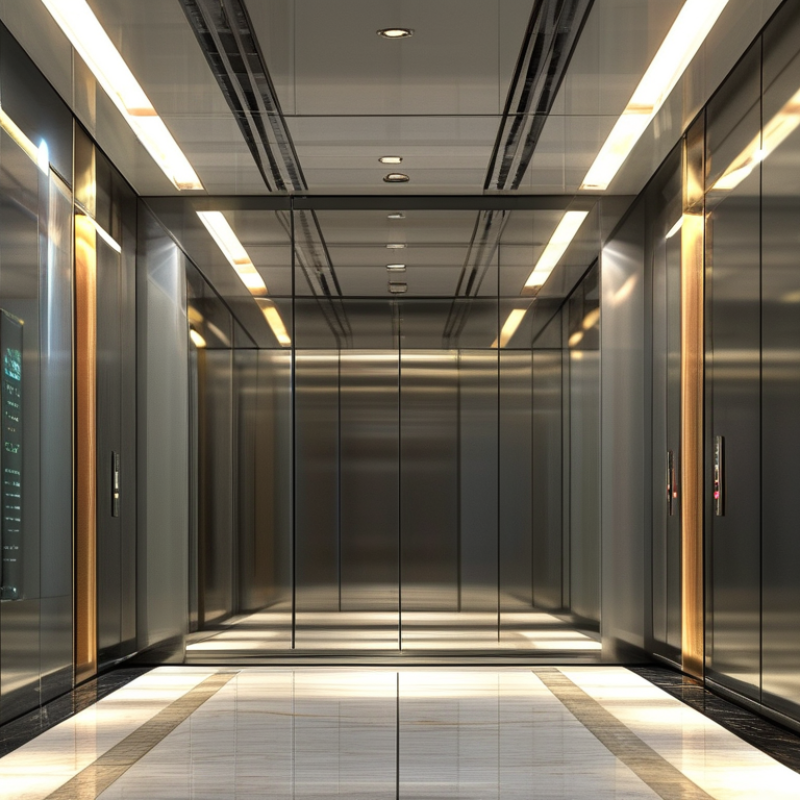
How to Extend Elevator Lifespan through Proper Maintenance?

Understanding the Importance of Elevator Maintenance for Longevity

Elevator maintenance is vital for ensuring its longevity and efficiency. According to the Elevator World, a well-maintained elevator can last up to 25 years. Regular inspections and timely repairs reduce downtime and enhance safety. For instance, nearly 20% of elevator malfunctions stem from neglected maintenance. This statistic highlights the importance of routine checks.

Understanding the nuances of elevator systems is essential. Professionals recommend examining cables, pulleys, and control systems every six months. Keeping records of these inspections can help facility managers spot trends over time. A lack of systematic approach can lead to costly repairs and increased safety risks.

Neglecting minor issues can escalate into major problems. Addressing wear and tear early prevents more extensive damage. This perspective on maintenance is backed by the National Association of Elevator Manufacturers, which states that proactive maintenance can lower long-term costs significantly. Hence, a commitment to regular upkeep is not merely beneficial; it's imperative.

How to Extend Elevator Lifespan through Proper Maintenance? - Understanding the Importance of Elevator Maintenance for Longevity

Maintenance Task Frequency Importance Level Estimated Cost ($) Impact on Lifespan
Visual Inspection Monthly High 50 Very High
Lubrication of Moving Parts Quarterly Medium 200 High
Safety Gear Inspection Bi-Annually Very High 150 Critical
Full System Check Annually High 500 Very High
Replacement of Worn Parts As Needed High Varies Very High

Common Causes of Elevator Wear and Tear to Monitor Regularly

Elevators are essential in modern buildings, and monitoring their wear and tear is crucial. Common issues include cable wear, which can lead to uneven movement. Examine cables regularly for fraying or signs of deterioration. This routine check can prevent greater issues down the line.

Another frequent cause of elevator problems is the door operation. Doors that fail to open or close properly can be dangerous. Misaligned door sensors often contribute to this issue. Ensure they are clean and functioning correctly. Regularly inspect the door mechanics to avoid unexpected malfunctions.

Additionally, lubricating moving parts is vital for smooth operation. Lack of lubrication can lead to increased friction, resulting in wear. Check pulleys, bearings, and guide rails for proper lubrication. It’s easy to overlook these details, but they are essential for longevity. Maintaining these elements can seem tedious, yet it's a small price to pay for safe and reliable elevator service.

Essential Maintenance Practices for Elevators to Extend Lifespan

Regular maintenance is crucial for extending the lifespan of elevators. Skipping routine checks can lead to unexpected breakdowns and costly repairs. A well-maintained elevator operates more efficiently and enhances safety for its users. Ensuring that your elevator is inspected yearly can prevent minor issues from escalating.

One essential practice is to maintain clean components. Dirt and grime can accumulate in the machinery, causing parts to wear out faster. Performing regular cleaning of the hoistway, door tracks, and control panels helps to maintain optimal performance. This attention to detail can significantly reduce wear and tear.

Investing in professional maintenance services is another critical step. Technicians can identify potential problems that may not be visible to the untrained eye. Their expertise ensures that all safety protocols are followed, giving you peace of mind. Additionally, keeping a log of maintenance activities helps track any recurring issues, allowing for informed decisions on future repairs. Overlooking these details may lead to more significant problems down the line, affecting overall reliability and safety.

Scheduling Routine Inspections and Upkeep for Optimal Performance

Regular inspections are crucial for extending the lifespan of elevators. Scheduling routine checks helps identify potential issues early. This proactive approach minimizes costly repairs and downtime. Experts recommend inspections every six months for optimal performance. During these assessments, technicians examine cables, brakes, and control systems. Small issues, if ignored, can lead to major failures.

Keep a detailed maintenance log. Recording each inspection, repair, and part replacement builds a history of the elevator's performance. This information aids technicians in spotting recurring problems. Consistency in inspections leads to better decision-making when it comes to repairs and replacements. You may think a minor glitch is harmless, but it can signal deeper issues.

Consider the environment too. High-traffic buildings experience more wear and tear. Adjust your maintenance schedule based on usage patterns. For example, frequent use in commercial spaces demands more regular checks. Always work with qualified professionals. They possess the skills and knowledge needed to perform proper evaluations. Trust in their expertise ensures longevity for your elevator.

Elevator Maintenance Schedule and Performance Impact

Upgrading Components and Technology to Enhance Elevator Durability

Upgrading elevator components is crucial for extending lifespan. Modern technology can significantly improve performance and durability. For instance, switching to energy-efficient motors reduces wear and tear. This not only saves energy but also enhances overall safety. Moreover, incorporating smart sensors allows for real-time monitoring, reducing downtime and unexpected malfunctions.

Regularly check and replace old cables and pulleys. Aging components can lead to serious issues. Investing in high-quality materials is key. It may seem costly upfront, but it pays off in the long run. Properly maintained upgrades prevent major breakdowns, which can be more expensive and disruptive.

Using advanced control systems can streamline elevator operations. These systems adapt to usage patterns, optimizing efficiency. Sometimes, however, replacing parts can be an overlooked option. Reflect on current equipment and identify areas for improvement. Such considerations lead to smarter decisions in managing elevator maintenance.

FAQS

: Why is regular maintenance important for elevators?

: Regular maintenance extends elevator lifespan and prevents unexpected breakdowns.

How often should elevators be inspected?

It's recommended to inspect elevators every six months for optimal performance.

What are common tasks included in elevator inspections?

Technicians check cables, brakes, and control systems during inspections.

How does cleanliness affect elevator performance?

Dirt can cause parts to wear out faster. Regular cleaning is essential.

What should be included in a maintenance log?

Record inspections, repairs, and part replacements to track performance history.

How do building traffic patterns influence maintenance needs?

High-traffic buildings require more frequent inspections due to increased wear and tear.

Can minor issues lead to larger problems?

Yes, minor glitches may indicate deeper issues. Ignoring them can lead to failures.

Why hire professional maintenance services?

Professionals can spot potential problems and follow safety protocols effectively.

What happens when maintenance is overlooked?

Overlooking maintenance may lead to significant repairs and safety risks.

How can I ensure longevity for my elevator?

Schedule regular inspections and maintain cleanliness to enhance performance.

Conclusion

Elevator maintenance is crucial for ensuring a long and efficient lifespan. Understanding the importance of regular inspections and upkeep can help identify common issues that lead to wear and tear. By monitoring factors such as lubrication, cable condition, and mechanical components, facility managers can significantly reduce the risk of unexpected breakdowns and costly repairs.

To extend the service life of elevators, it is essential to adopt best practices including routine maintenance schedules, timely upgrades of critical components, and the incorporation of modern technology. This proactive approach not only enhances durability but also optimizes performance. By understanding how to maintain elevators for longer service life, organizations can ensure consistent reliability and safety for users.

Sophia

Sophia

Sophia is a dedicated marketing professional with an exceptional depth of knowledge about her company's products and services. With a keen understanding of market trends and customer needs, she crafts insightful blog posts that not only inform but also engage readers, enriching the company’s online......