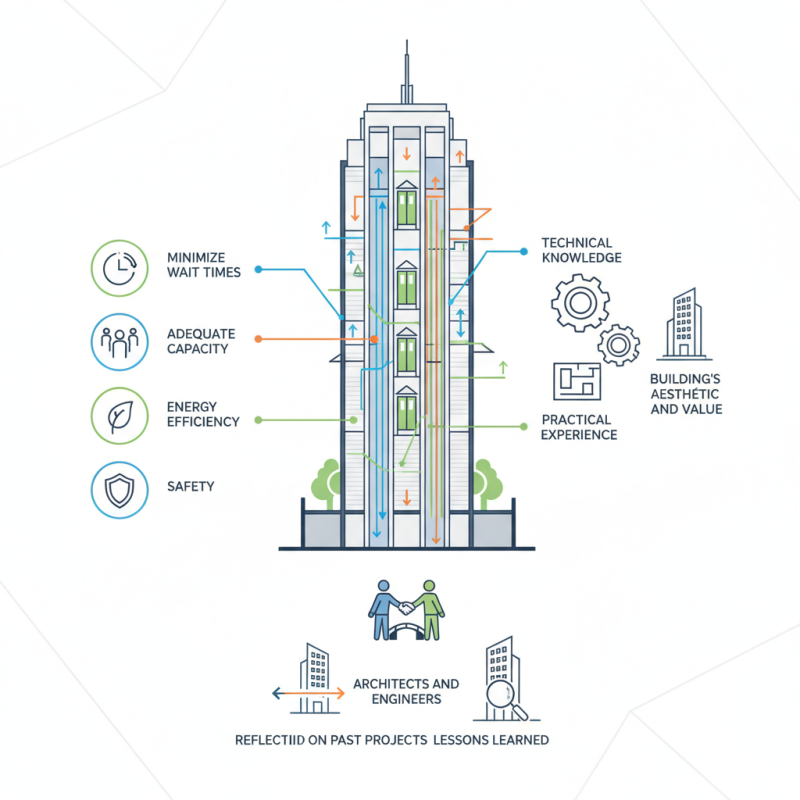
Designing elevator layouts for high-rise buildings is a critical task that demands careful consideration. One must understand the unique requirements of vertical transportation in such structures. How to design elevator layout for high-rise buildings requires a blend of technical knowledge and practical experience.
Elevators play a vital role in the overall functionality and convenience of high-rise buildings. Traffic flow, safety, and energy efficiency are key factors to consider. Yet, designers often face challenges such as providing adequate capacity and minimizing wait times. A poorly designed layout can lead to congestion and dissatisfaction among residents and visitors.
Effective elevator design is not just about functionality. It also impacts the building's aesthetic and value. Architects and engineers must work together to create an efficient system that complements the building's design. Reflecting on past projects can reveal lessons learned and areas for improvement. Understanding these complexities is essential for achieving a successful elevator layout in high-rise developments.
Elevators are pivotal in high-rise building design. They facilitate vertical mobility, significantly impacting efficiency and user experience. According to a report by the National Elevator Industry, elevators account for nearly 40% of a building's operational energy use. This number emphasizes their importance in both utility and design considerations.
A well-planned elevator layout can enhance accessibility while optimizing space. Data from the Elevator World magazine suggests that a well-designed elevator system can reduce wait times by up to 30%. However, getting the layout right is complex. Designers must consider factors like traffic patterns, building height, and the flow of occupants. Miscalculations in these areas can lead to congestion and frustration for users.
Moreover, integrating technology into elevator systems can address these challenges. Smart elevators adjust to demand, minimizing energy use. Research indicates that buildings using intelligent systems can decrease energy consumption by up to 20%. However, these solutions require careful implementation. Balancing advanced technology and user needs remains a constant challenge in high-rise design.
| Tip Number | Tip Description | Importance | Considerations |
|---|---|---|---|
| 1 | Design for Traffic Flow | High | Analyze peak usage times and patterns. |
| 2 | Select Optimal Elevator Types | Medium | Consider speed and capacity requirements. |
| 3 | Incorporate Accessibility Features | High | Ensure compliance with ADA standards. |
| 4 | Plan Maintenance Access | Medium | Schedule regular checks without disrupting service. |
| 5 | Integrate with Building Design | High | Harmonize design aesthetic and functionality. |
| 6 | Maximize Space Efficiency | High | Optimize elevator shafts and lobby areas. |
| 7 | Utilize Modern Technology | Medium | Incorporate smart systems and predictive technology. |
| 8 | Ensure Safety Features Are in Place | High | Install emergency systems and alarms. |
| 9 | Adjust for Future Demands | Medium | Plan for potential building growth or changes. |
| 10 | Engage Professional Consultants | High | Leverage expert knowledge in elevator systems. |
: Elevators facilitate vertical mobility and impact efficiency significantly. They account for 40% of a building's energy use.
It enhances accessibility and optimizes space. Reducing wait times by up to 30% is possible with good design.
It suggests one elevator for every 100 units. However, this rule may need adaptation for specific buildings.
Traffic patterns, building height, and occupant flow are vital. Miscalculations can lead to user congestion and frustration.
Smart elevators optimize traffic flow using real-time data. They predict peak times and can reduce wait times effectively.
High initial costs can deter some developers. Careful planning and investment are needed for successful transitions.
A significant number, about 40%, lack advanced technology. This suggests ample room for improvement in efficiency.
IoT allows for predictive maintenance, reducing unexpected breakdowns, and can extend system lifespans.
No, it’s a delicate balance. While advanced systems offer benefits, they also require careful implementation and cost considerations.
Every project has unique demands. Factors like occupancy and building height impact efficiency and design decisions.
Designing an efficient elevator layout for high-rise buildings is crucial for ensuring accessibility and optimizing traffic flow. In understanding how to design elevator layouts, important factors include the strategic placement of elevators and their access efficiency, which can significantly enhance user experience. A key aspect lies in calculating optimal traffic flow using principles like the 1-2-3 rule, which helps in predicting and managing peak usage times effectively.
Moreover, integrating smart technology into elevator systems can provide advanced solutions to modern challenges faced by skyscrapers. It is also essential to adhere to safety standards and regulations that govern elevator design in tall buildings to ensure the safety of all users. Overall, considering these elements will help in creating a functional and user-friendly elevator layout in high-rise developments.

 Ascom Elevator