Elevators are integral to modern buildings, providing convenience and accessibility. However, they also pose risks, especially during emergencies. This raises a crucial question: what is the importance of elevator emergency devices? These devices are essential for ensuring safety and minimizing risk.
Emergency communication systems, alarms, and backup power supplies can prevent panic and confusion. For instance, when someone is trapped, a reliable communication device can be the difference between fear and calm. Unfortunately, many overlook these devices until it’s too late. It's critical to acknowledge that not all elevators are equipped with the best safety measures.
Understanding the significance of these devices is not just about compliance; it’s about responsibility. Buildings must invest in emergency systems. Strikingly, studies show that elevators with effective emergency features can significantly reduce injuries during malfunctions. The focus should always be on protecting lives while acknowledging that no system is entirely fail-proof. Each elevator’s unique design and location can influence its emergency device effectiveness. The conversation should shift toward continuous improvement in these essential safety features.
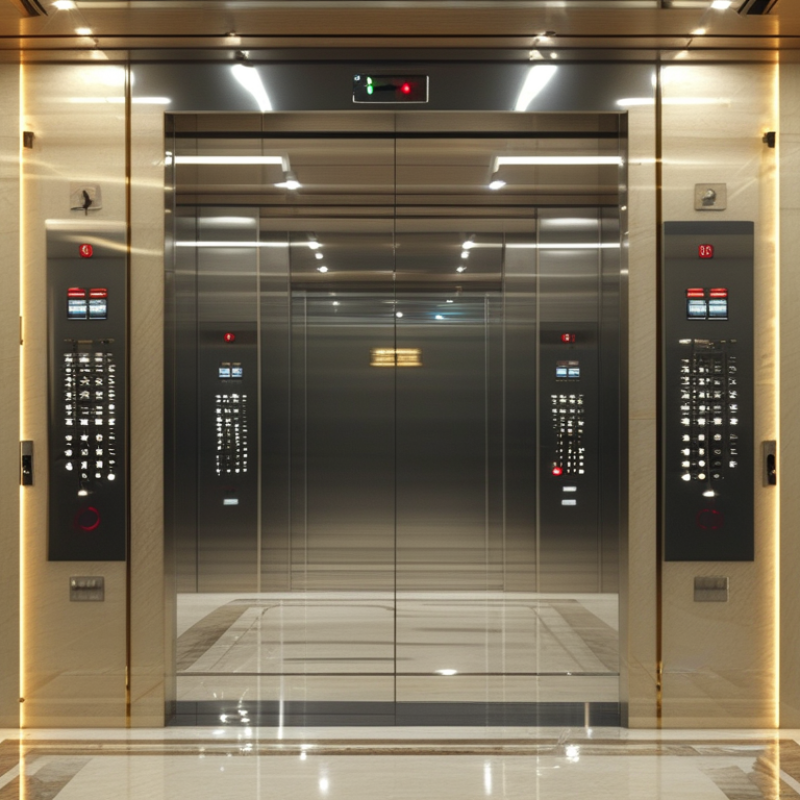
Elevator safety is a critical component of modern architecture. Elevators transport millions of people daily, making their safety paramount. Emergency devices in elevators play an essential role in ensuring this safety. These devices, such as emergency brakes and alarms, provide immediate aid during malfunctions. When an elevator experiences a fault, panic can ensue. Effective emergency devices can mitigate this anxiety and prevent accidents.
Regular maintenance is vital for the reliability of these emergency systems. A neglected elevator may not respond correctly, increasing the risk of injury. It is crucial for building managers to prioritize scheduled inspections. However, sometimes human error can occur, leading to oversight. Even the best-designed systems can fail if not properly maintained. This reality emphasizes the need for awareness and diligence in elevator care.
Understanding the importance of these devices can be empowering. Having emergency features fosters a sense of security. Users should feel confident that help is available if needed. Awareness of elevator safety protocols is also essential. It encourages responsible behavior when using these systems, ultimately enhancing safety for all.
| Feature | Importance | Statistics |
|---|---|---|
| Emergency Communication Systems | Allow trapped passengers to communicate with help | 70% of elevator accidents involve communication failures |
| Alarm Systems | Alert building staff of emergencies | Over 50% of users feel safer with audible alarms |
| Emergency Power Supply | Ensures operation during power outages | 30% of elevator rescues occur during outages |
| Safety Buttons | Provides means to call for immediate assistance | Users report a 40% increase in anxiety relief with easy access to emergency buttons |
: Elevator safety is crucial because millions of people use elevators daily. It protects lives and prevents accidents.
Emergency devices include alarms, intercoms, and backup power supplies. These devices help during malfunctions and power failures.
Regular maintenance is vital. Scheduled inspections can catch issues early, ensuring devices function correctly.
Neglected elevators may not respond properly, increasing injury risk. Human error or oversight can lead to dangerous situations.
Emergency alarms alert management during crises. Buildings with functioning alarms see faster response times in emergencies.
Intercom systems allow trapped passengers to communicate their situation. This connection can ease panic during emergencies.
Backup power keeps elevators operational during outages. It helps prevent passengers from being stuck in elevators.
Yes, regulations govern installation and maintenance of safety devices. Compliance reduces risks and protects passenger safety.
Emergency plans for elevators are frequently ignored. Regular training for personnel is also sometimes neglected.
Conduct emergency drills regularly to familiarize residents with procedures. Being prepared enhances overall safety and confidence.
Elevator emergency devices are crucial for ensuring passenger safety and confidence in vertical transportation systems. What is the importance of elevator emergency devices? These devices play a vital role in various scenarios, such as power outages or mechanical failures, by providing means for communication, evacuation, or regulatory compliance. An overview of different types of emergency devices reveals alarms, intercom systems, and backup power supplies, all of which are designed to minimize risks and enhance safety.
Regulatory standards also emphasize the necessity of such devices, mandating that elevators be equipped with proper safety measures. This adherence not only protects individuals during emergencies but also fosters a sense of trust in elevator systems. Ultimately, the presence of effective emergency devices significantly boosts passenger confidence, reassuring them that safety protocols are in place to handle unforeseen situations.

 Ascom Elevator