How to Enhance Elevator Waiting Efficiency for Global Buyers?

Time:2026-05-31 Author:Ethan
0%

Elevator systems are vital in high-rise buildings and urban infrastructure. However, many global buyers face challenges in waiting times. Understanding how to improve elevator waiting efficiency is crucial for enhancing user experience. Long waits can lead to frustration, affecting overall building satisfaction and workflow.

Efficient elevator systems must consider factors like traffic patterns and peak usage times. Analyzing these can reveal when improvements are necessary. Elevators should ideally serve users promptly, especially during busy periods. Implementing advanced technology can optimize the flow, yet it’s not always foolproof.

Some businesses still rely on outdated systems. This introduces delays and inefficiencies. Companies should assess their current operations and invest in modern solutions. Continuous evaluation helps identify areas needing improvement. It’s important to embrace change and rethink existing processes to achieve better efficiency.
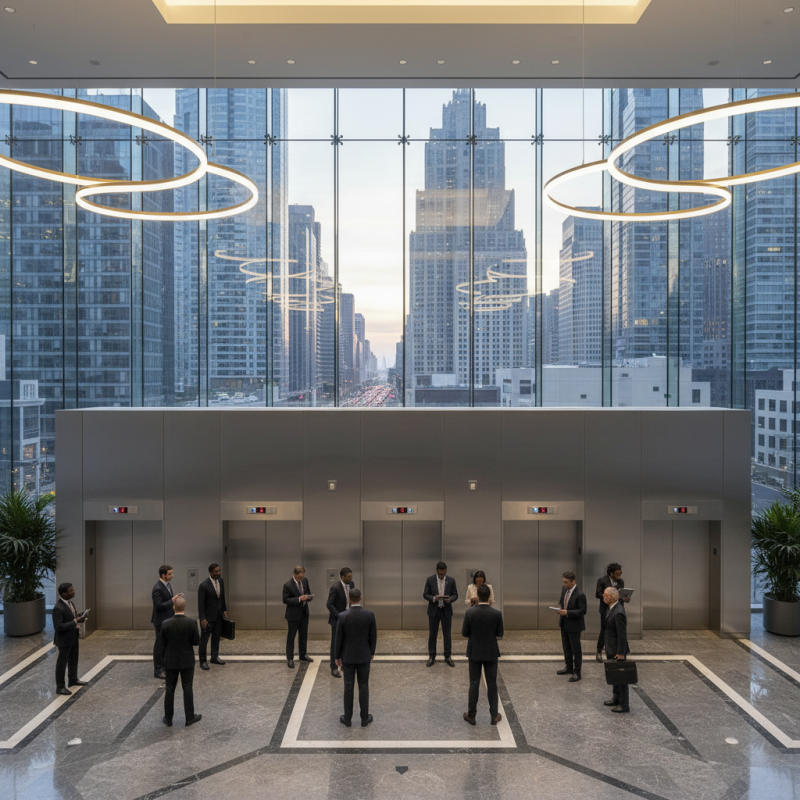
How to Enhance Elevator Waiting Efficiency for Global Buyers?

Strategies for Analyzing Elevator Traffic Patterns to Reduce Wait Times

Elevator traffic patterns significantly impact wait times. Analyzing these patterns allows for tailored strategies to enhance waiting efficiency. Data collection is crucial. By monitoring peak usage hours, you can identify the busiest times. This data helps in making informed decisions about elevator operation schedules.

Tips: Utilize sensors to gather real-time data on elevator usage. This will help you understand flow patterns. Assess the data monthly to adapt your strategies effectively.

Understanding the flow of people is essential. Key factors include building design and usage type. Is it a commercial or residential building? The purpose influences how many people use elevators at once. You might find that certain elevators are underused while others are overburdened.

Tips: Conduct periodic surveys to gauge user satisfaction. Feedback can reveal potential issues. Adjust service based on this feedback. Experiment with different configurations to find the most efficient elevator arrangement.

Implementation of Smart Technology for Real-Time Elevator Management

Elevator waiting time can be frustrating for users. Implementing smart technology can streamline this process. Real-time elevator management systems use data to optimize performance. Sensors detect passenger demand and adjust elevator routes accordingly. This minimizes wait times and improves overall efficiency.

Tips for enhancing elevator efficiency include using artificial intelligence for predictive analysis. AI can analyze patterns in elevator usage, helping buildings anticipate peak times. Smart apps can also allow users to call elevators from their phones. This reduces the crowding at elevator banks during busy hours.

Additionally, maintaining regular audits of elevator performance is essential. Inspecting and updating technology ensures elevators operate optimally. Facilities should gather feedback from users about waiting times. This information can guide future improvements. Balancing efficiency with user experience is crucial. Not every tech implementation is perfect, and learning from user experiences can lead to better solutions.

Best Practices for Designing Efficient Elevator Systems in High-Rise Buildings

Elevator systems are vital for high-rise buildings, impacting the experience of global buyers. Efficient design enhances waiting times, crucial in urban environments. According to the Elevator World report, implementing intelligent traffic management systems can reduce wait times by 30%. This is significant for buildings with high foot traffic.

When designing elevators, consider the building's layout. Placing elevators strategically can minimize waiting and travel times. Utilize simulation software to test various configurations. This often reveals improvements that conventional methods might overlook. Flexibility in elevator scheduling is also essential; adapting to peak and off-peak hours can further enhance efficiency.

Tip: Monitor elevator usage patterns. Gathering data helps in making informed adjustments. Note that over-reliance on technology can lead to unexpected delays. Implement redundancy systems to ensure reliability in emergencies. Balancing innovation with practicality ensures an efficient elevator system.

Global Trends in Elevator Innovation and Their Impact on Waiting Efficiency

Elevator innovation is rapidly evolving, affecting waiting efficiency worldwide. Many urban areas struggle with long wait times. Incorporating smart technology can streamline operations. Features like predictive algorithms enable elevators to respond faster to user demand. They can anticipate peak times and adjust accordingly. This responsiveness can significantly enhance user experiences.

However, not all innovations are perfect. Some systems may become overly reliant on technology. When a failure occurs, it can lead to unforeseen delays. Additionally, integrating new systems with existing infrastructure can be complicated. Maintenance protocols must adapt to ensure everything functions seamlessly.

Global trends also emphasize user comfort. Elevators are becoming more spacious and accommodating. Innovative design minimizes congestion during rush hours. But even with these improvements, human factors remain unpredictable. Understanding passenger behavior is crucial for long-term efficiency. The balance between technology and human needs is delicate; it requires constant evaluation and refinement.

How to Enhance Elevator Waiting Efficiency for Global Buyers? - Global Trends in Elevator Innovation and Their Impact on Waiting Efficiency

Innovation Type Impact on Waiting Efficiency (%) Adoption Rate (%) User Satisfaction Level (1-5)
Smart Scheduling Algorithms 30 45 4.2
Real-time Monitoring Systems 25 50 4.0
AI-Powered Predictive Maintenance 20 35 4.5
Mobile App Integration 15 60 4.3
Energy-Efficient Elevators 10 40 3.8

Case Studies: Successful Elevator Solutions from Leading International Markets

In recent years, leading international markets have implemented innovative elevator solutions to enhance waiting efficiency. For instance, some cities have adopted smart scheduling systems. These systems analyze traffic patterns and adjust elevator dispatching accordingly. As a result, they significantly reduce wait times during peak hours.

One successful case is from a major metropolitan area that integrated AI technology with their elevator systems. This approach allowed for real-time data collection and analysis. The elevators could predict demand and respond promptly. Users reported a noticeable decrease in waiting times, improving overall satisfaction.

Tips for improving elevator efficiency include:

  • Analyze usage data regularly. This helps in understanding peak times.
  • Consider installing destination dispatch systems. They can group passengers based on floors.
  • Encourage regular maintenance checks on systems. This prevents breakdowns during busy times.
It's important to note that not all solutions will work for every building. Some may experience initial resistance from users. Testing different strategies in a controlled environment can help identify workable solutions. Reflecting on results is essential for continual improvement.

FAQS

: How can smart technology improve elevator efficiency?

: Smart technology optimizes elevator performance by using data to minimize wait times. Sensors detect demand and adjust routes.

What role does artificial intelligence play in elevator management?

AI analyzes usage patterns, helping predict peak times and optimize elevator scheduling. This enhances user experience during busy periods.

Why are regular audits important for elevators?

Regular audits ensure elevators operate optimally. Feedback from users on wait times can guide necessary improvements.

What should be considered when designing elevator systems?

It's vital to consider the building's layout. Strategic placement of elevators minimizes waiting and travel times.

How can monitoring elevator usage patterns help?

Gathering data on usage allows informed adjustments. However, relying too much on technology might lead to delays.

What are the challenges of innovating elevator systems?

Innovations can create dependencies on technology. Failures may lead to delays, and integrating new systems can be complex.

Conclusion

The article titled "How to Enhance Elevator Waiting Efficiency for Global Buyers?" explores several strategies to improve elevator waiting efficiency in high-rise buildings. It emphasizes the importance of analyzing elevator traffic patterns, which helps identify peak usage times and optimize scheduling. Implementation of smart technology is also a key focus, enabling real-time management of elevator systems to reduce wait times effectively.

Additionally, the article discusses best practices for designing efficient elevator systems, tailored to the specific needs of high-rise environments. It examines global trends in elevator innovation and their impact on enhancing waiting efficiency. Through case studies, the article highlights successful elevator solutions implemented in various international markets, showcasing effective strategies on how to improve elevator waiting efficiency for buyers worldwide.

Ethan

Ethan

Ethan is a seasoned marketing professional with a deep expertise in our company's innovative product line. With a passion for sharing knowledge and insights, he takes the lead in regularly updating our corporate blog, where he explores industry trends, product features, and effective marketing......