Elevators are crucial in busy buildings, ensuring smooth transit. In 2026, city life demands greater efficiency. Understanding how to optimize elevator operation in busy buildings becomes vital. With rising foot traffic, traditional systems face challenges.
Many buildings struggle with wait times and delays. Passengers often face frustration during peak hours. Implementing smart technology can transform operations. Innovations like predictive analytics, for example, can anticipate traffic patterns effectively.
Yet, not all solutions may fit every building's needs. Some methods might require costly upgrades. Each facility must evaluate its unique challenges. Reflecting on past experiences can guide better choices. Flaws in existing systems often highlight areas for improvement. Addressing these issues will pave the way to enhanced efficiency.
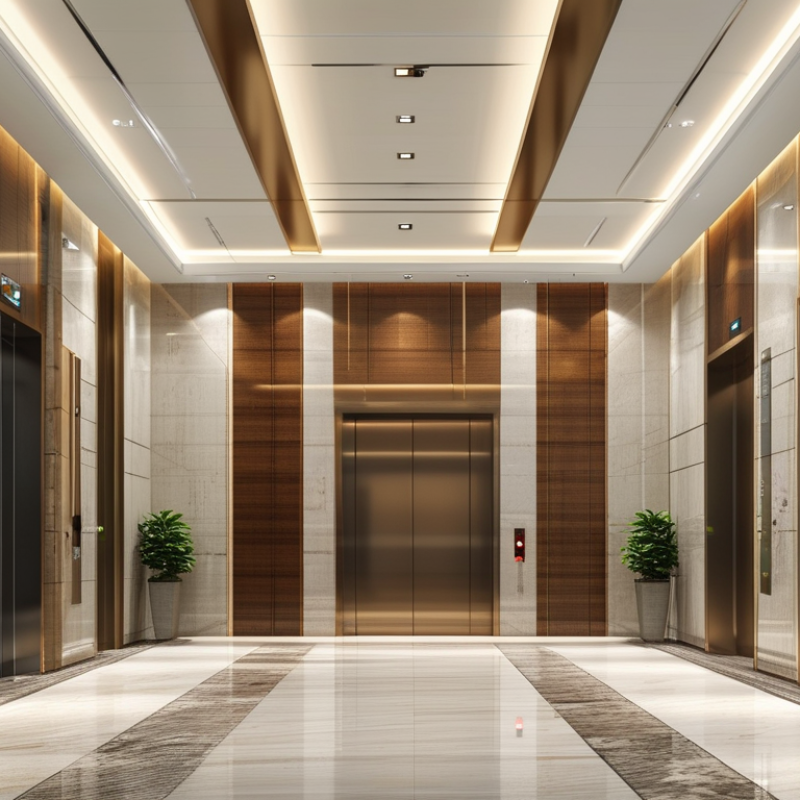
In modern buildings, elevator efficiency is crucial for meeting user demands. Understanding various metrics helps improve overall performance. Common metrics include wait time, travel time, and capacity. Each plays a role in how people experience vertical transportation. For example, long wait times can frustrate users. Research indicates that a wait time exceeding 30 seconds may deter tenants.
Another essential metric is the elevator's carrying capacity. Elevators must handle peak traffic without delays. Overcrowding leads to inefficiencies and increases travel times. Monitoring peak usage can help in adjusting service schedules. However, many buildings fail to analyze these patterns accurately. Regular evaluations can yield insights into trends and help refine operations.
Energy consumption is another key aspect of efficiency. Elevators that operate with lower energy use not only cut costs but also reduce carbon footprints. Implementing smart technology can help optimize energy usage. Yet, some buildings overlook this, focusing on immediate performance instead of long-term sustainability. Finding a balance is essential for creating a more efficient lift system that benefits both users and the environment.
In busy buildings, elevator efficiency is crucial. Smart technology can significantly improve this aspect. Real-time traffic management systems allow for effective monitoring of elevator usage. According to a report by the International Elevator and Escalator Industry, integrating these systems can reduce wait times by up to 30%. This means more convenience for users and better flow throughout the building.
Implementing AI algorithms can optimize elevator dispatching. These algorithms analyze patterns in building occupancy. They can predict peak usage times and adjust accordingly. This integration not only enhances efficiency, but also requires careful calibration. Elevator systems must be regularly updated to respond accurately to changing patterns. A study from the American Society of Civil Engineers noted that poorly calibrated systems can lead to inefficiencies, wasting energy and time.
Consider the impact of escalations in building traffic. As urban centers grow, the need for seamless vertical transportation increases. Technology solutions, while effective, are not infallible. Human factors also play a role; user behavior can disrupt even the best systems. Managers need to ensure that staff can handle users' questions and issues efficiently. Balancing technology with human interaction is crucial for success in elevator management.
In busy buildings, elevator efficiency is crucial. Implementing predictive maintenance strategies can significantly improve performance. These strategies leverage data analysis to foresee potential failures before they occur. Regularly monitoring elevator systems enhances safety and reduces downtime. Predictive maintenance considers factors like usage patterns, component wear, and environmental conditions.
Tips: Use sensors to track elevator usage. This data can reveal peak times. Understanding user patterns helps optimize maintenance schedules.
Also, train staff in basic troubleshooting. Quick responses to minor issues can prevent larger breakdowns. Encourage communication between maintenance teams and building management. A unified approach ensures everyone is aware of potential problems.
Investing in predictive maintenance may seem costly at first. However, avoiding major repairs leads to long-term savings. In busy structures, the reliable operation of elevators boosts overall tenant satisfaction. Considering these strategies can create a more efficient and reliable transportation system within the building.
Designing optimal elevator bank configurations is crucial in high-demand environments. In busy buildings, traffic patterns fluctuate throughout the day. Understanding peak hours is essential for effective design. Placing elevators near high-traffic areas can minimize wait times. Analyzing user behavior helps in creating a responsive system.
Elevator banks should include a mix of capacities. For instance, having both large and small elevators can meet diverse needs. High-rise buildings benefit from double-decker lifts. These elevators can transport passengers to multiple floors simultaneously. However, it is essential to balance the number of elevators with their speed. Overcrowding can lead to inefficiencies.
Reflect on the flow of people within the building. Some configurations might initially seem efficient but can lead to bottlenecks. Continuous monitoring is crucial. With changing demographics and usage trends, flexibility in design remains vital. Regular assessment ensures the elevator system adapts to evolving demands.
User experience (UX) plays a vital role in the design of elevation systems within busy buildings. Research indicates that up to 70% of users evaluate an elevator’s functionality based on their waiting experience. Ensuring efficient design can significantly improve satisfaction rates. Modern building designs often overlook optimizing elevator systems, leading to increased wait times and frustrations.
Data from the International Elevator and Escalator Symposium highlights that average wait times should not exceed 30 seconds in high-traffic areas. However, many buildings experience delays of over a minute. This discrepancy shows a need for better user-centric design. Elevators that utilize real-time data to manage traffic can reduce these wait times substantially. Simple solutions like interactive displays could also enhance user engagement and reduce perceived wait times.
Considering user feedback is crucial in refining elevator systems. Surveys reveal that up to 40% of tenants report dissatisfaction with their building’s elevator services. Addressing these concerns through collaborative design processes could lead to significant improvements. However, achieving a balance between efficiency and user comfort remains a challenge. It is essential to adapt and evolve these systems based on user behavior and emerging technologies.
: Wait time is crucial. Long wait times can frustrate users and deter tenants.
Overcrowding can lead to inefficiencies. Monitoring usage patterns helps improve service schedules.
Lower energy use cuts costs and reduces carbon footprints. Sustainability should be a priority.
Real-time traffic management systems monitor usage. They can reduce wait times significantly.
They optimize dispatching and predict peak usage times. Calibration is essential for accuracy.
Increasing building traffic demands seamless vertical transportation. Balancing technology with human factors is vital.
Inefficiencies arise, wasting time and energy. Regular updates are necessary for operational success.
Human factors can disrupt even advanced systems. Managing user interactions is key for efficiency.
In the quest to enhance elevator efficiency in busy buildings, it is essential to understand the key metrics that define performance in modern systems. By exploring how to optimize elevator operation in busy buildings, stakeholders can integrate smart technology for real-time traffic management, ensuring a responsive and adaptive approach to passenger flow. This includes implementing strategies for predictive maintenance, which not only reduces downtime but also extends the lifespan of the equipment.
Moreover, designing optimal elevator bank configurations addresses high demand scenarios more effectively, allowing for better distribution of resources. Lastly, emphasizing user experience in the design of elevation systems can lead to a more satisfying interaction for users, ultimately improving the perceived efficiency of the entire building's vertical transit system. Together, these strategies offer a comprehensive framework for optimizing elevator performance in urban environments.

Ascom Elevator