Top Elevator Weight Limits How Do They Affect Performance?

Time:2026-10-10 Author:Charlotte
0%

Elevator weight limits are more than numbers printed beside a control panel. They represent the maximum rated load that the car, cables, brakes, motor, and control system can safely manage. A crowded elevator may feel slower, stop less smoothly, or require longer door cycles. However, weight alone does not explain every performance change.

How does elevator weight limit affect performance? The answer depends on the elevator’s design, age, maintenance history, and daily traffic. When passenger loads approach the rated capacity, the motor may require more energy during acceleration. The controller may also reduce speed or prevent movement when its load sensors detect an unsafe condition. In a busy office building, repeated heavy trips can increase heat, energy use, and component wear. Small details matter, such as uneven passenger distribution near one side of the car.

Capacity is not a performance target.

Reliable conclusions should come from manufacturer specifications, inspection records, and measured operating data. Elevator engineers commonly review rated load, travel height, motor capacity, braking performance, and door-control settings together. A larger rated limit does not automatically mean faster service. It may improve carrying capacity, but it can also demand stronger equipment and more careful maintenance.

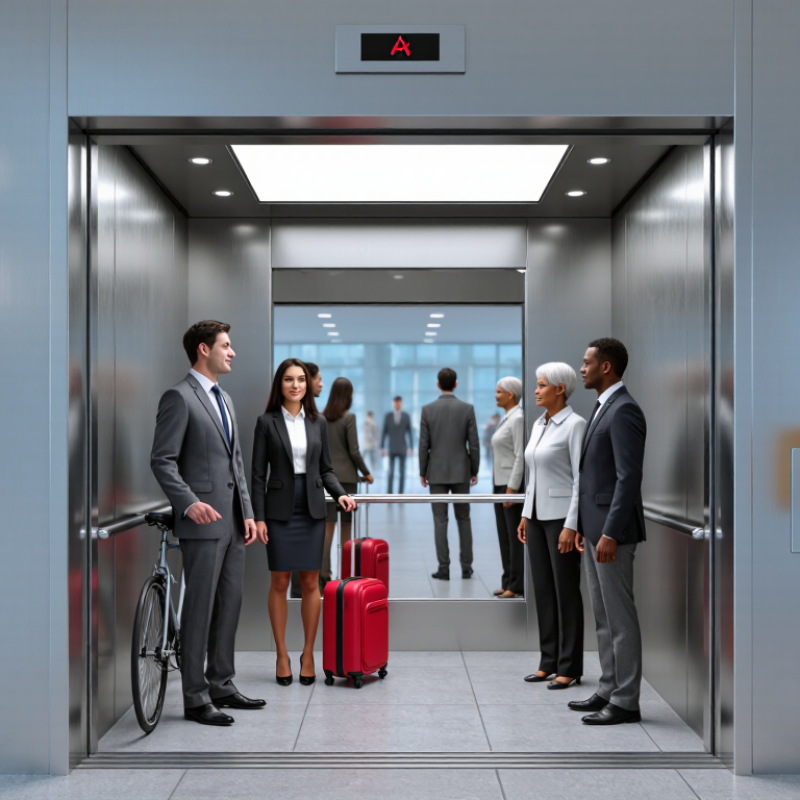
This topic deserves practical judgment. A scale reading may be accurate, yet passenger behavior remains unpredictable. People carry luggage, bicycles, or heavy equipment. That complicates testing. Even experienced professionals can overstate the effect of weight when they ignore building traffic patterns. Understanding these limits helps owners, facility teams, and passengers recognize performance changes without confusing normal control responses with mechanical failure.
Top Elevator Weight Limits How Do They Affect Performance?

What Elevator Weight Limits Mean and Why They Matter

Elevator weight limits describe the maximum load the car, ropes, traction system, brakes, and controls can safely manage. They are not casual suggestions. ASME A17.1/CSA B44 and ISO 8100-1 require rated-load information, safety controls, and inspection procedures. A 1,000-kilogram limit may represent passengers, tools, carts, and every object inside the car.

Weight also changes performance. A heavily loaded car needs more motor force during acceleration. It may level more slowly at a floor. Door cycles can feel less responsive, especially in older equipment. Overloading can trigger the load-weighing device and prevent movement. That pause protects people, but it also exposes a planning weakness.

The 2023 CTBUH report on tall-building operations links efficient vertical transportation with accurate traffic and occupancy planning. Engineers commonly study passenger flow during morning peaks, when several hundred kilograms can enter within seconds. The U.S. Department of Energy’s elevator energy guidance also identifies car load, travel distance, and operating frequency as important energy factors. A lighter trip usually requires less lifting energy, but empty cars still consume power through standby systems and repeated starts.

Real sites are messier than calculations. A delivery cart may hide its weight. Rainwater on equipment adds little, yet repeated trips matter. Managers should never estimate capacity by appearance. Check the posted rating, schedule inspections, and investigate unusual stopping, vibration, or door behavior. The limit is part of the design, not a performance target.

How Weight Limits Influence Elevator Speed and Ride Quality

Elevator weight limits affect speed long before the car reaches its rated capacity. ISO 8100-1 commonly links a 630-kilogram car with eight passengers and a 1,000-kilogram car with thirteen. These figures describe design loads, not comfortable targets for every trip. A crowded car needs more traction effort and longer braking control. The result can be softer acceleration, delayed door closing, or slower leveling at each floor.

Ride quality changes through small physical signals. You may feel a brief pause before movement, a deeper motor sound, or a slight floor-leveling correction. The control system often reduces acceleration when load sensors detect unusual conditions. ASME A17.1/CSA B44 requires overload protection, so an overloaded car should not travel. That rule protects passengers, but it also creates waiting time during busy periods. CIBSE Guide D uses higher rated speeds for taller buildings, often above 2.5 metres per second, yet speed alone does not guarantee a smooth ride.

In field inspections, uneven loading can matter as much as total weight. Ten passengers standing near one wall may create harsher corrections than the same weight spread evenly. This is easy to overlook. Temperature, guide-rail condition, and maintenance also influence performance, according to elevator engineering practice. A high-capacity car may move efficiently under balanced loading, but repeated peak loads can expose weak tuning or worn components. Weight limits are therefore performance boundaries, not just safety numbers.

Top Elevator Weight Limits: How Do They Affect Performance?

How weight limits influence elevator speed and ride quality

The chart shows representative elevator configurations used in modern buildings. Higher rated loads generally require larger motors, stronger suspension components, and more robust control systems. These factors can increase available capacity while making acceleration, deceleration, and vibration control more important for maintaining a smooth ride. Actual performance depends on the building height, counterweight ratio, drive system, traffic pattern, and commissioning quality.

The Role of Motor Power, Cab Size, and Load Distribution

Elevator weight limits shape more than passenger capacity. They influence acceleration, stopping accuracy, energy use, and ride comfort. Motor power must match the rated load, cab mass, travel height, and expected traffic. A motor with too little reserve may produce slow starts and frequent thermal stress. Oversizing it can waste energy and complicate control tuning. In field inspections, technicians often compare measured loading with design data, rather than trusting the posted number alone. That practical check matters.

Cab size changes the equation. A larger cab may carry more people, yet floor area can encourage uneven loading. One heavy cart near the rear corner shifts the center of gravity. The car may feel tilted, and guide components can experience uneven forces.

Load distribution also affects door movement and leveling at each floor. Weight sensors help, but they are not perfect. Calibration drift, crowded passengers, and luggage can confuse readings. Engineers should review sensor records and maintenance history before adjusting limits.

Tips: Keep heavy items near the cab center. Do not stack loads against doors. Test performance under realistic loading conditions. Record motor temperature, leveling errors, and stopping time after each test. If results seem inconsistent, pause and investigate. My own preference is conservative testing, though it can delay operation. That delay is frustrating, but guessing is worse.

Safety Systems That Manage Overloaded Elevators

Top Elevator Weight Limits: How Do They Affect Performance?

Overload protection begins before the elevator moves. Load sensors estimate the car’s total mass, while the controller compares that reading with the rated capacity. If the limit is exceeded, the doors should remain open, an alarm should sound, and the drive should block travel. ASME A17.1/CSA B44 and EN 81-20 address these protective functions, although local inspection rules may differ. The system protects more than the motor. It also reduces risks involving braking, leveling, door operation, and structural stress.

Weight changes affect daily performance. A crowded car may accelerate slowly, draw more electrical current, and produce less comfortable stops. Passengers shifting near the doors can also create brief, uneven loads. This is why reliable systems use calibrated sensors, controller diagnostics, and scheduled testing. NIOSH reported 263 worker deaths and approximately 17,000 serious injuries involving elevators and escalators from 1992 to 2009. That historical analysis supports careful maintenance, not complacency.

Small errors matter. Sensors can drift. Dust, heat, and uneven loading can distort readings. A technician should test the alarm, verify door interlocks, and compare displayed weight with certified test loads. Records should show when calibration occurred and who performed it. No sensor is infallible. Building teams still need clear capacity signs and practical passenger guidance, because a warning system cannot correct every human decision.

How to Improve Elevator Performance Within Its Weight Limit

An elevator’s weight limit is not a target to reach on every trip. It is a safety boundary that protects the motor, brakes, cables, and control system. When cars operate near their rated capacity, acceleration may feel slower and door cycles can become less consistent. A practical performance review begins with accurate load measurements, recent maintenance records, and observations during busy periods.

Passenger distribution matters more than many building managers expect. A crowded rear corner can create uneven loading and extra strain on guide components. Encourage passengers to spread across the car, especially during peak hours. Keep stored materials, cleaning equipment, and temporary furniture outside the elevator unless technicians approve their use. Even small items accumulate. They also complicate troubleshooting.

Qualified elevator technicians should check brake response, leveling accuracy, door sensors, traction, and overload detection. These checks should follow the elevator’s rated specifications and applicable safety requirements. Adjusting controls without professional testing can create new risks. Better scheduling can help too. Moving heavy materials during quieter periods reduces repeated high-load trips and keeps service smoother for passengers. Maintenance teams should record unusual sounds, longer stops, or uneven floor alignment. A simple log can reveal patterns before performance declines.

Some improvements may seem obvious, yet they are easy to neglect. I have seen teams focus on motor settings while ignoring passenger flow. That approach is incomplete. Weight management works best when mechanical inspections, daily habits, and building operations support one another. Performance gains may be modest, but dependable service is usually built through these small, measurable changes.

FAQS

How does a heavy passenger load affect elevator speed?

A heavy load can soften acceleration, delay door closing, and make stops feel slower. The motor may sound deeper. Speed is not the whole story.

Does reaching rated capacity mean every ride will be comfortable?

No. Rated capacity is a safety boundary, not a comfort target. Near capacity, braking and leveling may need more control. Comfort can decline before the limit is reached.

Why does passenger position matter?

Ten people near one wall can create uneven loading. The car may make stronger corrections while leveling. Spread across the floor when possible. Balance helps.

What happens when overload protection activates?

The car should stay still, keep its doors open, and sound an alarm. The drive should block travel. Do not force the doors shut or add more weight.

Can small objects affect elevator performance?

Yes. Cleaning equipment, furniture, or stacked boxes add weight quickly. They can also hide unusual sounds or complicate inspections. Small items accumulate.

Which maintenance checks support smoother operation?

Technicians should inspect brakes, door sensors, traction, leveling, and overload detection. They should compare readings with certified test loads. Records should show calibration dates and responsible technicians.

What signs may indicate a developing performance problem?

Watch for longer stops, deeper motor sounds, delayed doors, or uneven floor alignment. A brief log can reveal repeated patterns. One observation may mislead.

How can building teams reduce repeated high-load trips?

Move heavy materials during quieter periods. Keep passengers distributed across the car. Review busy-hour observations with qualified technicians. This sounds simple, but teams often overlook passenger flow.

Conclusion

Elevator weight limits define the maximum safe load a lift can carry, including passengers, luggage, and equipment. They are essential for protecting the motor, suspension components, braking system, and passengers while maintaining reliable operation. How does elevator weight limit affect performance? When a car approaches its rated capacity, acceleration may become slower, travel speed can be reduced, and stopping may feel less smooth. Unevenly distributed weight can also cause leveling problems, vibration, or an uncomfortable ride. Motor power, cab dimensions, and load distribution all influence how efficiently an elevator performs under pressure.

Modern elevators use safety systems such as load sensors, alarms, and control functions that prevent operation when the car is overloaded. Performance can be improved by staying within the posted limit, distributing passengers and cargo evenly, maintaining doors and mechanical components, and scheduling regular inspections. Thoughtful traffic management and timely maintenance also help the elevator deliver smoother, safer, and more consistent service throughout its operating life.

Charlotte

Charlotte

Charlotte is a seasoned marketing professional with a deep understanding of the company's portfolio and a passion for elevating its presence in the market. With a keen eye for detail and a commitment to excellence, she ensures that our professional blog is regularly updated with insightful articles......