Why Is Elevator Waiting Time So Long and How to Improve It?

Time:2026-10-05 Author:Ethan
0%

Elevator waiting time feels excessive when a lobby fills faster than cars can clear it. At 8:45 a.m., passengers watch doors close, reopen, and close again. A single wheelchair, delivery cart, or misplaced destination selection can alter the entire traffic pattern. The problem is rarely elevator speed alone. It involves demand, dispatch logic, building layout, maintenance, and passenger behavior.

CIBSE Guide D: Transportation systems in buildings identifies handling capacity and interval as core traffic-planning measures. For many office buildings, designers commonly assess whether elevators can move about 12–15% of the population within five minutes. They also examine the average time between car arrivals. These figures are useful, but they are not universal promises. A hospital, hotel, and residential tower create very different passenger flows. ISO 8100-32:2020 also emphasizes structured elevator traffic analysis during planning.

Energy matters too. The International Energy Agency reported that buildings and construction consumed about 30% of global final energy in 2022. More efficient elevator operation can support wider building-performance goals. However, reducing standby power will not fix a crowded lobby at lunchtime. That assumption needs challenging.

How to improve elevator waiting efficiency requires measured evidence, not guesswork. Managers should record waiting time by floor, time, direction, and passenger volume. They can then test destination dispatch, zoning, peak-period parking, door-speed adjustments, and clearer signage. A practical review should compare simulation results with real observations. Sensors may report clean data, yet passengers can still behave unpredictably. That is where professional judgment remains necessary.
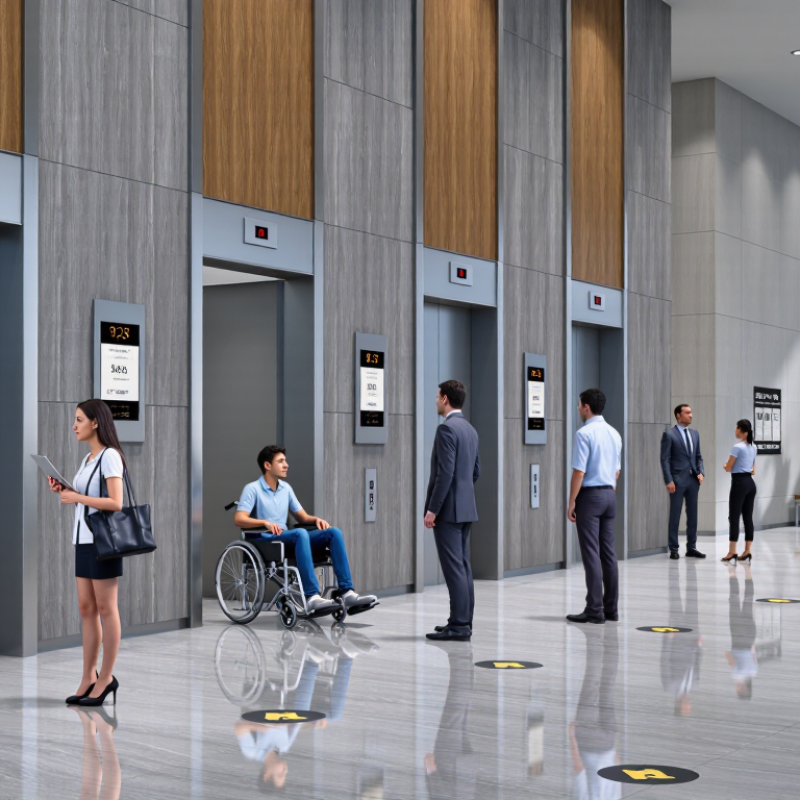
Why Is Elevator Waiting Time So Long and How to Improve It?

What Determines Elevator Waiting Time?

Why Is Elevator Waiting Time So Long and How to Improve It?

What Determines Elevator Waiting Time?

Elevator waiting time begins with demand, not the elevator itself. A residential tower may receive many calls between 7:30 and 9:00 a.m. Office buildings often show sharper morning peaks. Passenger volume, floor distribution, and travel direction all change the result. Ten people going to different floors create more stops than ten people sharing one destination. Each stop adds door opening, passenger movement, and door closing time. Small delays accumulate quickly.

The number of elevators matters, but capacity and speed matter too. Dispatch software also affects waiting time by grouping calls and sending suitable cars. Poor settings can produce empty trips or repeated stops. Long waiting may come from slow boarding, oversized luggage, service interruptions, or doors held open. Building data should be measured during busy periods, not guessed from average traffic. Useful checks include call frequency, door-open duration, car occupancy, and floor-to-floor travel time.

My first estimate was wrong. I focused on elevator speed and ignored lobby congestion. A practical improvement may involve clearer passenger flow, better peak-hour dispatching, or adjusted door timing. Results should be tested over several days. One unusually quiet morning proves very little. Safety, accessibility, and emergency procedures must remain unchanged.

Why Elevator Queues Become Excessively Long

Why Is Elevator Waiting Time So Long and How to Improve It?

Elevator queues become excessively long when passenger arrivals exceed handling capacity. Morning peaks create sharp bursts, not steady demand. Hundreds of people may reach the lobby within a few minutes. A small delay then spreads across every floor.

CIBSE Guide D: Transportation Systems in Buildings (2020) identifies approximately 25–30 seconds as a common average waiting-time target for offices. Yet averages can hide uncomfortable peaks. One passenger may wait 20 seconds, while another watches three full cars leave. Poor zoning, uneven passenger distribution, oversized groups, and slow door cycles often worsen the queue. A 2022 Council on Tall Buildings and Urban Habitat report also emphasizes that traffic analysis must consider arrival patterns, not only building population. That point is easy to overlook. Building managers should compare real call data with design assumptions every few months. Old assumptions quietly become expensive problems.

Tips: Separate low and high floors during peak periods. Keep lobby doors and loading areas clear. Test destination-control settings with actual traffic data. Reduce unnecessary door reopening. Display accurate wait information, even when the news is imperfect. During my observations, clear instructions often reduced crowding faster than another sign. Still, signage alone cannot repair insufficient capacity. A qualified vertical-transportation consultant should model five-minute peak demand, handling capacity, and average waiting time before equipment changes. (Sources: CIBSE Guide D, 2020; CTBUH, 2022.)

How Elevator Traffic Patterns Affect Waiting

Elevator waiting time is shaped by traffic patterns, not only by elevator speed. Morning arrivals create an up-peak: many passengers travel from the lobby to upper floors within a short period. Lunch produces heavier inter-floor traffic, while evening departures create a down-peak. Cars become full quickly and skip later calls. The average wait may look acceptable, yet one crowded floor can experience a much longer delay.

CIBSE Guide D: Transportation systems in buildings commonly examines five-minute handling capacity. For many office designs, a 12–15% population handling target is used during up-peak periods. In a building with 1,000 occupants, that equals 120–150 people within five minutes. This figure exposes the problem clearly. If arrivals exceed that flow, queues grow faster than elevators can clear them. ISO 8100-32:2020 also supports studying traffic by time period, passenger direction, and floor demand, rather than relying on daily averages.

Improvement starts with better traffic separation. Destination control can group passengers traveling to nearby floors, reducing unnecessary stops. Zoning can reserve selected cars for lower, middle, or upper levels during busy periods. Staggered office start times can soften the morning surge. Real-time counters at entrances help managers compare actual demand with design assumptions. The data may be imperfect. People change routines, deliveries interrupt patterns, and visitors behave differently. That is why traffic models need regular review, not one-time approval. A five-minute observation beside the lobby can reveal more than a polished spreadsheet.

Methods for Reducing Elevator Waiting Time

Why Is Elevator Waiting Time So Long and How to Improve It?

Long elevator waits usually come from uneven demand, slow boarding, or poor traffic planning. During a morning peak, several cars may stop at the same floors, while other cars remain underused. On-site observation can reveal the cause. Record arrival times, floor requests, queue length, and door-opening delays for three working days. This evidence is more useful than guessing from complaints.

Methods for reducing elevator waiting time should match the building’s traffic pattern. Separate service for lower and higher floors can reduce unnecessary stops. Clear floor grouping also helps passengers choose cars faster. Adjusting door dwell time may improve movement, but it should never create unsafe boarding pressure. Regular maintenance matters too. A worn door sensor can add seconds to every trip. Building managers should review performance after each change, because one improvement may create congestion elsewhere. Honestly, a perfect plan is unlikely.

Tips: Keep queues visible and organized. Display simple guidance near the entrance. Encourage staggered arrival times when possible. Check waiting times at different hours, not only during the busiest period. Remove blocked corridors near elevator doors. Train staff to report unusual noises, repeated door reopening, or sudden delays. Small details matter.

How to Measure and Improve Elevator Performance

Long elevator waits often begin with poor measurement, not slow equipment. A building team should record each call from button press to door opening. Use synchronized timestamps, not memory or occasional stopwatch checks. Track average wait, median wait, and the 95th percentile. The last figure reveals passengers who wait longest. Measure morning arrivals, lunch movement, and evening departures. Peak data matters most.

Add car travel time, door-open duration, passenger load, and calls served per five-minute interval. A simple dashboard can show whether delays come from crowded cars, long boarding, or uneven dispatching. Compare floors separately. A lobby queue may hide a quiet upper-floor problem. Field audits often reveal blocked doors or people holding cars unnecessarily. Privacy rules still matter; count movement without identifying faces.

Improvements should follow the measured cause. Adjust door timing only after checking safety requirements and accessibility needs. Balance car assignments during peaks, reduce unnecessary stops, and schedule maintenance before failure patterns grow. Test one change for two weeks. Then compare the same time windows. Do not trust a better average alone. That can hide ten-minute waits. A measurement plan can still be wrong when it excludes service interruptions. Recheck the data, speak with occupants, and revise the metric when reality disagrees.

FAQS

What mainly determines elevator waiting time?

Passenger demand is the main factor. Morning arrivals can create long lobby queues. Floor distribution, travel direction, car capacity, and speed also matter. Ten passengers choosing different floors create more stops.

Why does elevator speed not always reduce waiting?

A fast car helps little when it is nearly full. Multiple stops still add door movement and passenger boarding time. Slow boarding can waste more time than slow travel. Speed is only one piece.

When are elevator waits usually longest?

Morning arrivals often create the strongest upward demand. Lunch periods may increase travel between floors. Evening departures usually create downward demand. A quiet morning proves very little.

How can building managers measure the real problem?

Record call times, queue lengths, car occupancy, and door-open duration. Measure floor-to-floor travel time too. Observe at least three working days. Complaints alone can mislead.

Can grouping passengers reduce elevator waiting?

Yes, grouping nearby destinations can reduce unnecessary stops. Lower, middle, and upper floors may use separate service zones. This approach needs regular review. People do not always follow planned patterns.

How do doors affect waiting time?

Doors held open can delay every passenger behind them. A worn sensor may cause repeated reopening. Adjusted door timing can improve flow, but boarding must remain safe. Faster is not always better.

What simple changes can improve lobby movement?

Keep queues visible and remove blocked areas near elevator doors. Place clear floor guidance beside the entrance. Encourage staggered arrival times when practical. Small details matter.

Why should elevator changes be tested for several days?

Traffic changes by hour, weather, visitors, and deliveries. One improvement may create congestion on another floor. Compare results during busy and quiet periods. The perfect plan probably does not exist.

Conclusion

Elevator waiting time is influenced by factors such as the number of passengers, building height, elevator speed, door-opening cycles, floor distribution, and control system efficiency. Queues often become excessively long during morning arrivals, lunch breaks, and evening departures, when many people travel in the same direction. Uneven traffic patterns, frequent stops, overloaded cars, and slow passenger boarding can further increase delays and create an inconsistent waiting experience.

To understand how to improve elevator waiting efficiency, building managers should first measure average and peak waiting times, queue length, travel demand, and elevator utilization. Practical improvements may include optimizing dispatch schedules, grouping passengers traveling to similar floors, reducing unnecessary door delays, improving traffic guidance, and coordinating elevator operation with predictable peak periods. Regular performance reviews can reveal recurring bottlenecks and help determine whether changes to operating rules, passenger flow, or elevator capacity are needed. A data-based approach allows improvements to be tested, compared, and adjusted while maintaining reliable service throughout the day.

Ethan

Ethan

Ethan is a seasoned marketing professional with a deep expertise in our company's innovative product line. With a passion for sharing knowledge and insights, he takes the lead in regularly updating our corporate blog, where he explores industry trends, product features, and effective marketing......