Elevators are essential in modern buildings, providing convenience and accessibility. However, ensuring safety is paramount for daily use. How to ensure elevator safety during daily use is a question that many buyers overlook. It's crucial to recognize that safety procedures, regular maintenance, and proper usage can prevent accidents.
Buyers often underestimate the importance of elevator safety features. Investing in high-quality lifts with advanced technology is vital. A reliable elevator should include clear instructions for passengers. Regular inspections and prompt repairs are also necessary. Sometimes, simple user negligence can lead to dangerous situations. Passengers should remain aware of their surroundings while inside.
Educating oneself and others about elevator protocols is key. Familiarize yourself with emergency procedures and the location of alarms. Sharing this knowledge can empower users. Safety requires ongoing attention and reflection. Create an atmosphere where safety is the priority in daily elevator usage.
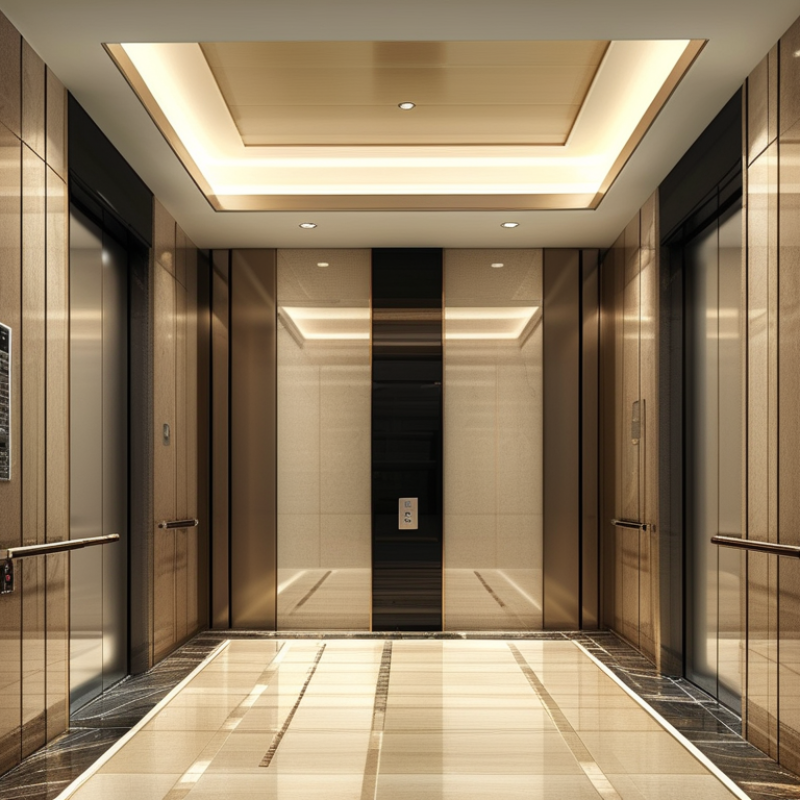
Elevator safety is critical in daily operations. Understanding safety standards and regulations helps ensure the protection of users. According to the American Society of Mechanical Engineers (ASME), there are stringent regulations governing elevator design and maintenance. These standards, like ASME A17.1, set forth the minimum safety requirements for elevators. Compliance significantly reduces the risk of accidents and injuries.
In 2021, a study reported that nearly 17,000 elevator-related injuries occurred in the U.S. annually. Many accidents stem from improper maintenance or a lack of understanding of safety protocols. Regular inspections are crucial for identifying potential risks. Surprisingly, only 38% of building managers ensure compliance with the recommended inspection schedule. Neglecting this can lead to mechanical failures.
Proper training for users is often overlooked. Many people are unaware of basic safety practices. For instance, standing clear of the doors during closing is essential. Both tenants and staff should be educated on emergency procedures. Continuous education ensures that everyone knows how to respond during an emergency. Safety awareness leads to a culture of caution. The need for improvement in elevator safety education remains evident.
When purchasing a modern elevator, safety should be a top priority. Essential safety features help ensure reliable operation and protect passengers. According to the Elevator Industry Field Employees’ Safety Handbook, nearly 30% of elevator-related accidents result from inadequate safety measures.
One crucial feature is the presence of a backup power system. This ensures the elevator can operate during power failures. Additionally, emergency communication systems are vital. They allow users to contact help during an emergency if the elevator becomes immobilized. The latest reports indicate that elevators with these systems reduce accident rates significantly, leading to safer environments in buildings.
Regular maintenance and inspection are also essential to maintaining safety. A study by the American Society of Mechanical Engineers revealed that elevators with routine checks have up to 50% fewer malfunction incidents. Buyers must consider the importance of these inspections. Understanding the basics of these safety features is crucial for any buyer. It helps avoid potential oversights that could lead to dangerous situations.
Routine maintenance is crucial for ensuring elevator safety. According to the National Elevator Industry, about 18,000 elevators operate in the U.S. daily. Regular inspections can drastically reduce the risk of accidents. Routine checks include assessing cables, pulleys, and safety mechanisms. Failing to perform these tasks can lead to unexpected malfunctions.
Proper lubrication of moving parts is equally important. Research indicates that poor lubrication accounts for 30% of elevator breakdowns. Technicians should check lubricants at least once a month. Additionally, door sensors must be tested regularly. Faulty sensors can create hazardous situations. A shocking 25% of elevator-related injuries stem from door malfunctions.
User awareness plays a critical role in safety as well. It’s common for users to crowd elevators beyond capacity, which can strain the system. Educating users about weight limits is essential. Furthermore, regular communication with maintenance technicians ensures any peculiar noises or irregularities are addressed promptly. The importance of ongoing dialogue cannot be overstated. It fosters a culture of safety that benefits everyone.
Elevator safety is crucial in daily use. Statistics show that around 30,000 accidents occur annually in elevators worldwide. Many are preventable. Understanding how to enhance safety ensures a secure riding experience.
Tips for users include always waiting for the doors to open fully before entering. Rushing can lead to serious injuries. Avoid overloading the elevator. Most units have clear weight limits, which, if exceeded, can cause malfunctions. It’s vital to adhere to these limits for everyone’s safety.
In addition, stay calm during unexpected situations, like power outages. Elevators are designed to manage these events. Striking a balance between safety awareness and everyday usage is key. Regularly educate all users, especially children and elderly passengers, about proper elevator etiquette and safety measures.
When considering an elevator for your home or business, safety should be your top priority. A recent industry report indicated that around 30,000 injuries occur annually due to elevator-related accidents in the U.S. This highlights the importance of thoughtful selection. Look for elevators with multiple safety features. These features should include emergency brakes, door sensors, and an automatic return system. Such components significantly reduce the risk of accidents.
Additionally, the elevator's installation process is critical. Improper installation contributes to nearly 40% of reported accidents, according to safety studies. Ensure that the installation is done by certified professionals adhering to local building codes. Regular maintenance also plays a vital role in safety. Scheduling inspections at least once a year can catch potential issues early. Many experts suggest that maintenance contracts can add reliability to the service.
Purchase decisions should also factor in the elevator's capacity and traffic patterns. Elevators that handle high traffic need faster response times and sturdier components. The number of users can affect wear and tear. Families or businesses with heavier usage should consider models designed for durability. Ultimately, a careful evaluation of features, installation, and maintenance can enhance elevator safety significantly.
: Elevator safety is essential to protect users and prevent accidents.
Safety standards, like ASME A17.1, outline minimum safety requirements for elevators.
Nearly 17,000 elevator-related injuries were reported in 2021.
Most accidents are due to improper maintenance and lack of safety protocol understanding.
Regular inspections are crucial, yet only 38% of managers follow the recommended schedule.
Users should stand clear of closing doors and know emergency procedures for safety.
A backup power system ensures operation during power failures.
They allow users to call for help if trapped in an immobilized elevator.
Regular checks can reduce malfunction incidents by up to 50%.
Ongoing training helps users respond correctly during emergencies, fostering a culture of safety.
Ensuring elevator safety during daily use is crucial for both home and business environments. Understanding elevator safety standards and regulations is the first step in making informed decisions when purchasing an elevator. Modern elevators should possess essential safety features, such as emergency communication systems and automatic braking mechanisms, which enhance user protection. Additionally, routine maintenance plays a vital role in keeping elevators safe and functional. Regular inspections, performed by qualified technicians, can prevent accidents and prolong the lifespan of the elevator.
Furthermore, users can adopt best practices to enhance safety, such as waiting for the elevator to fully stop before entering or exiting, not overloading the cabin, and being attentive to any unusual noises or movements. When considering what to look for when buying an elevator, prioritizing safety features and a robust maintenance plan can significantly mitigate risks. By following these guidelines, buyers can ensure that their elevators provide a safe and reliable transportation option.
Ascom Elevator