Top 5 Elevator Handrail Innovations at 2026 Canton Fair?

Time:2026-03-27 Author:Amelia
0%

The 2026 Canton Fair is poised to showcase the top innovations in various industries, including Elevator Handrail systems. The elevator industry has seen rapid advancements, with a focus on safety and design. For instance, a recent report states that the global market for elevator handrails is projected to grow at a CAGR of 5.6% from 2023 to 2030. This growth is driven by increased urbanization and the demand for smarter buildings.

Dr. Emily Chen, a prominent expert in elevator safety design, emphasizes, "Innovative handrails are essential for enhancing passenger safety and comfort." The Canton Fair will feature developments like smart handrails that integrate with building automation systems and provide real-time user feedback. However, not all innovations succeed; some fail to meet market needs or regulatory standards.

As manufacturers present their latest designs, the challenge will be to balance aesthetics with functionality. The introduction of AI search and navigation at the fair could help attendees navigate the vast exhibition space. It also poses a question: can technology effectively improve product relevance and user experience in the Elevator Handrail sector?
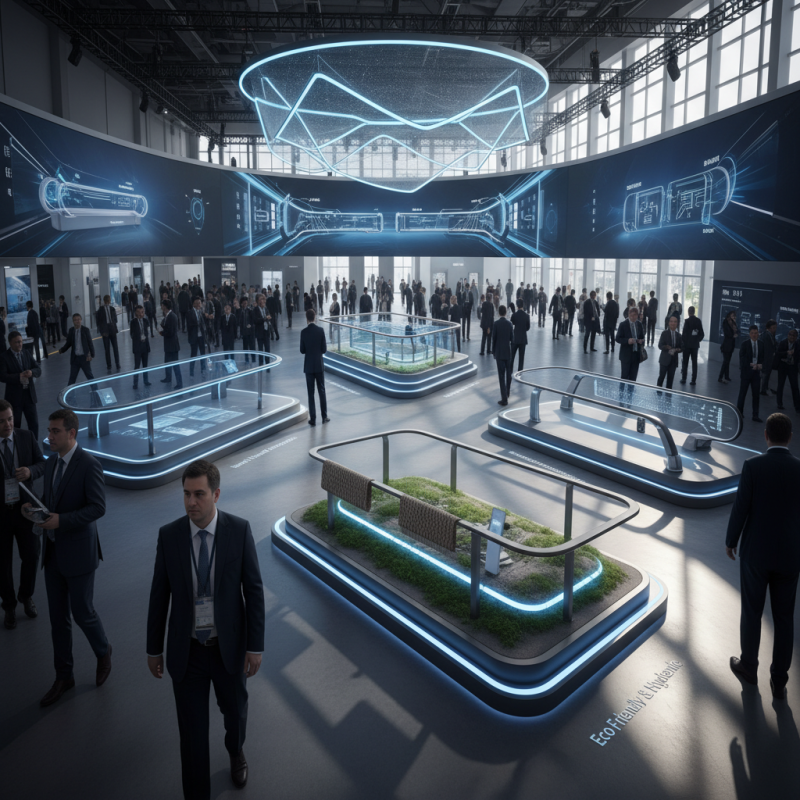
Top 5 Elevator Handrail Innovations at 2026 Canton Fair?

Overview of the 2026 Canton Fair and its Focus on Elevator Innovations

The 2026 Canton Fair is set to showcase cutting-edge innovations in various industries, particularly in elevator technology. This event is pivotal for elevating safety standards and enhancing user experience. According to the latest industry reports, the elevator market is projected to grow by over 7% annually. These figures reflect a significant shift towards integrating smart technologies in urban mobility solutions.

One notable trend is the emphasis on ergonomic designs for elevator handrails. Innovative materials such as anti-bacterial coatings are gaining traction. This aligns with the growing demand for hygiene and safety, especially in public spaces. However, challenges remain in production costs and consumer acceptance. Some critiques focus on how these innovations may not be aesthetically pleasing or sufficiently durable.

Moreover, the use of IoT (Internet of Things) technology within elevator systems is inspiring a wave of advancements in handrail features. Sensors can enhance safety by providing real-time monitoring. Data suggests that elevators with smart features can reduce downtime by nearly 30%. Yet, integrating such technology raises questions about reliability and maintenance. Addressing these concerns is vital for broader market adoption.

Key Trends in Elevator Handrail Design and Technology

Elevator handrail design is evolving rapidly. At the 2026 Canton Fair, innovative trends stood out. Designers focused on safety, comfort, and aesthetics.

One notable trend is the use of smart materials. These materials adapt to temperature changes. This feature enhances user comfort. Handrails are now equipped with sensors. They can detect when someone is close, improving safety. Another innovation is the ergonomic design. Curved shapes fit hand contours better. They provide a secure grip, making elevators easier to use.

Tips: Consider the durability of materials used in handrails. Look for options that withstand wear and tear. Also, pay attention to color and finish. A well-chosen design can enhance the overall look of the elevator.

Architects and designers are testing bold colors and patterns. These choices may not appeal to everyone. However, they offer a fresh look to traditional spaces. It's essential to balance innovation with functionality. Overly complex designs can confuse users and compromise safety.

Top 5 Elevator Handrail Innovations at 2026 Canton Fair

Innovative Materials Used in Elevator Handrail Manufacturing

At the 2026 Canton Fair, innovative materials for elevator handrail manufacturing captured significant attention. Designers and engineers showcased unique solutions. Many materials focused on sustainability and durability. Recycled composites emerged as a popular choice. They are lightweight yet strong, providing excellent support. These materials often feature appealing textures and colors.

Another material making waves was advanced metal alloys. These alloys resist corrosion and enhance safety. They come in various finishes, adding elegance to any elevator design. Some featured anti-bacterial properties, promoting hygiene in shared spaces. A few prototypes even experimented with bioplastics, blending functionality with environmental consciousness.

However, not all innovations were perfect. Some materials struggled with production scalability. Others faced challenges in adapting to various design aesthetics. While the creativity is commendable, practical applications must be carefully considered. Manufacturers need to address these shortcomings. Overall, the emphasis on innovative materials shows promise for the future of elevator handrails.

Smart Features Integrated into Elevator Handrails

The 2026 Canton Fair showcased remarkable innovations in elevator handrails. These smart handrails now have features that prioritize safety, comfort, and user interaction. Imagine walking into an elevator where the handrail instantly adjusts to the user’s height. This personalization is not just convenient; it makes accessibility a priority for everyone.

Another exciting feature is the integrated touch sensors. These detect when a person is nearby. The handrail could illuminate softly, guiding users, especially in low-light conditions. Yet, this brings its own challenges. How do we ensure the technology remains reliable? These sensors must withstand frequent use without malfunctioning. Regular maintenance will be crucial in ensuring safety and functionality.

Voice recognition is another breakthrough. Users can communicate with the handrail for assistance or service requests. While this is a leap forward, it raises questions about privacy and data security. With smart features, how do we protect our information? The innovations at the fair exemplified a future full of potential but also a landscape requiring careful thought and reflection.

Sustainability Practices in Elevator Handrail Innovations

The 2026 Canton Fair showcased remarkable innovations in elevator handrail design. Sustainability was a major theme throughout the event. Manufacturers displayed products made from recycled materials, significantly reducing environmental impact. These new handrails are not just functional; they also enhance the aesthetic appeal of different spaces.

Some designs incorporate biodegradable coatings. This is a step towards reducing plastic waste. However, it's worth noting that not all sustainable practices are effective. The durability of some eco-friendly materials needs improvement. Companies should invest in research to ensure longevity alongside sustainability.

Moreover, energy-efficient production processes were highlighted. These eco-conscious techniques minimize carbon footprints. Attendees questioned whether these innovations could become industry standards. The challenge lies in balancing profitability and eco-friendliness. It raises important questions about consumer education and market acceptance.

FAQS

: What is the focus of the 2026 Canton Fair?

: It emphasizes innovations in elevator technology and safety standards.

How is the elevator market projected to grow?

The market is expected to grow by over 7% annually.

What trends are observed in elevator handrail designs?

Ergonomic designs and anti-bacterial coatings are becoming popular for hygiene.

What challenges exist in adopting new elevator technologies?

Challenges include production costs, consumer acceptance, and aesthetic concerns.

How does IoT technology enhance elevator systems?

IoT sensors provide real-time monitoring and can reduce downtime significantly.

What materials were highlighted in the elevator handrail showcase?

Recycled composites and advanced metal alloys drew attention for their strength and safety.

Are sustainable materials always effective in elevator designs?

Some sustainable materials struggle with durability and production scalability.

What type of coatings are used in sustainable designs?

Biodegradable coatings aim to reduce plastic waste in elevator handrails.

Why is balancing profitability and sustainability challenging?

Companies face difficulties in maintaining cost-effectiveness while being eco-friendly.

What concerns do consumers have regarding new innovations?

Questions about reliability and maintenance may hinder broader market acceptance.

Conclusion

The 2026 Canton Fair showcased significant advancements in elevator innovations, particularly focusing on elevator handrails. This year's event highlighted key trends shaping the design and technology of elevator handrails, emphasizing the importance of functionality and aesthetics. A variety of innovative materials were presented, enhancing durability and safety while offering unique design possibilities.

Moreover, smart features have been integrated into elevator handrails, providing enhanced user experience and interactivity. The fair also emphasized sustainability practices in elevator handrail innovations, showcasing eco-friendly materials and production methods that reduce environmental impact. Ultimately, the innovations in elevator handrails presented at the fair reflect a commitment to safety, design, and sustainability in modern infrastructure.

Amelia

Amelia

Amelia is a seasoned marketing professional with a wealth of expertise in our company’s core offerings. With an unwavering passion for driving growth and innovation, she plays a pivotal role in shaping our marketing strategies and enhancing brand visibility. A key aspect of her responsibilities......