In today's fast-paced urban environment, the efficiency of a smart building significantly depends on its elevator control systems. These systems are essential for managing vertical transportation, impacting both energy consumption and user experience. According to a report by the International Energy Agency, elevators can account for up to 10% of a building's total energy usage. Thus, optimizing these systems is critical for enhancing sustainability.
How do elevator control systems improve intelligence? Advanced algorithms enable predictive maintenance, reducing downtime. This technology not only conserves energy but also improves accessibility. A study by the American Society of Civil Engineers highlighted that buildings utilizing smart elevator technology saw a reduction in wait times by 30%. These systems learn user patterns, adapting to peak hours and reducing unnecessary trips.
Despite these advancements, challenges remain. The integration of new technologies can be costly and complex. Some buildings may struggle with outdated infrastructure, hindering potential improvements. Balancing innovation with existing systems requires careful planning and assessment. A proactive approach is vital to ensure these intelligent systems deliver maximum benefits.
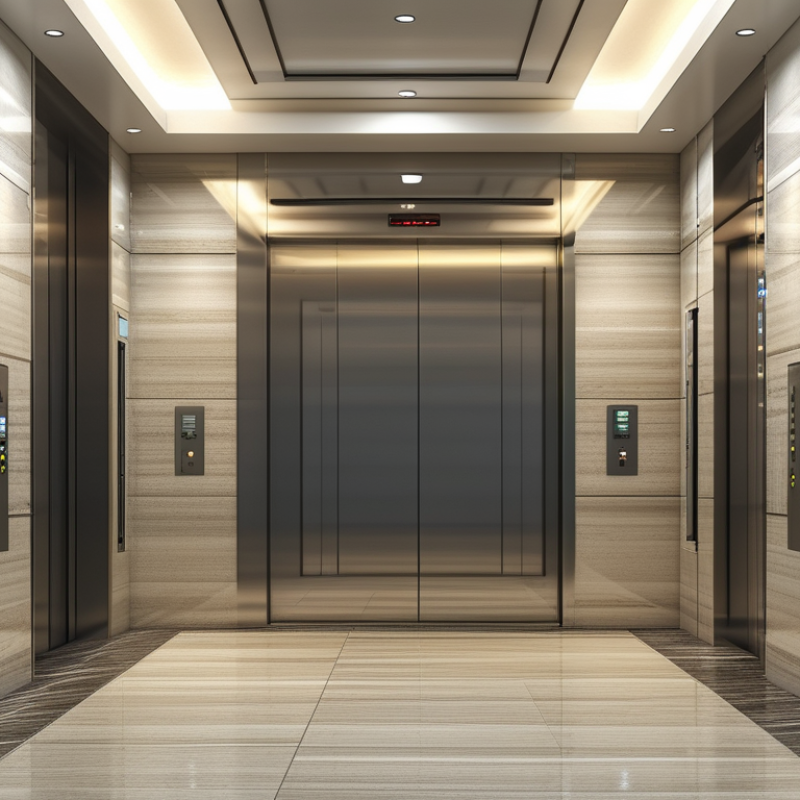
Elevator control systems play a crucial role in the efficiency of smart buildings. These systems manage the flow of people and goods with remarkable precision. They use real-time data to optimize performance and reduce wait times. According to a report by the International Elevator and Escalator Expo, smart elevators can decrease waiting times by up to 40%.
Smart buildings leverage advanced algorithms to improve elevator dispatching. This enhances traffic management during peak hours. For instance, elevator systems can group passengers heading to the same floor, minimizing stops. A survey from the Building Owners and Managers Association International highlights that 70% of property managers cite improved energy efficiency due to better elevator systems.
However, challenges remain. Integration with other building systems can be complex. Many buildings still use outdated control systems that cannot adapt to modern needs. Furthermore, reliance on technology raises concerns about cybersecurity threats. As buildings become smarter, these vulnerabilities must be addressed. Ultimately, the future of elevator control systems lies in balancing innovation with security and reliability.
| Dimension | Description | Benefit |
|---|---|---|
| Energy Efficiency | Utilizes advanced algorithms to optimize energy consumption in elevators. | Reduces overall energy costs and carbon footprint. |
| Traffic Management | Analyzes passenger traffic patterns to adjust elevator dispatching. | Improves wait times and service during peak hours. |
| Remote Monitoring | Allows operators to monitor elevator performance and diagnostics in real-time. | Enables proactive maintenance, reducing downtime. |
| Integration with Building Management Systems | Seamlessly connects elevator systems with other building controls. | Enhances overall building efficiency and operational control. |
| User Experience | Incorporates smart features like destination dispatch and mobile controls. | Elevates tenant satisfaction through convenience and faster service. |
: Intelligent elevator management uses advanced algorithms and IoT technology for efficient elevator operations.
It analyzes traffic patterns to optimize elevator service, reducing unnecessary energy consumption during peak hours.
Smart elevators monitor performance and energy usage, giving real-time data for identifying inefficiencies.
Maintenance requires specialized skills, and system failures can disrupt services significantly.
They streamline workflow, enhance accessibility, and create smoother transitions between floors for occupants.
Misinterpreted data can lead to poor decision-making and may negatively impact elevator performance.
Integrating elevator control with BMS can reduce energy consumption and improve traffic flow management.
Regular updates ensure compatibility with new elevator technologies, enhancing overall system performance.
Many managers still use outdated methods, leading to inefficiencies and wasted energy.
Regular audits can reveal integration improvements that enhance performance and reduce energy costs.
Elevator control systems play a crucial role in enhancing the efficiency of smart buildings by integrating various advanced technologies. These systems contribute to building automation, allowing for seamless communication between elevators and building management systems, ultimately optimizing operational efficiency. By employing intelligent algorithms, elevator control systems improve intelligence, ensuring that elevators respond dynamically to real-time demands, reducing wait times and energy consumption.
Furthermore, intelligent elevator management enhances energy efficiency through optimized routing and scheduling, which not only diminishes energy waste but also creates a more sustainable environment. The impact on occupant experience is significant, as these systems facilitate smoother and faster access within the building, thereby boosting overall satisfaction. In conclusion, the incorporation of advanced elevator control systems is essential for maximizing both energy efficiency and occupant experience in modern smart buildings.

 Ascom Elevator