Elevators are critical for modern buildings, providing safe and efficient transport. However, they occasionally fail, raising concerns for users. Understanding what causes elevator breakdowns and how to prevent them is essential for building owners and maintenance teams. Frequent issues can stem from mechanical wear, poor maintenance, and outdated technology.
For instance, a worn-out cable may lead to a sudden halt, impacting user trust and safety. Regular inspections play a vital role in mitigating these risks. Maintenance routines, however, can sometimes be neglected due to cost or time constraints, leading to potential failures.
By focusing on proper upkeep and addressing early warning signs, building operators can significantly reduce breakdowns. Yet, it’s easy for them to overlook the finer details of elevator care, which can be a costly mistake. Education on the underlying causes of elevator issues is crucial.
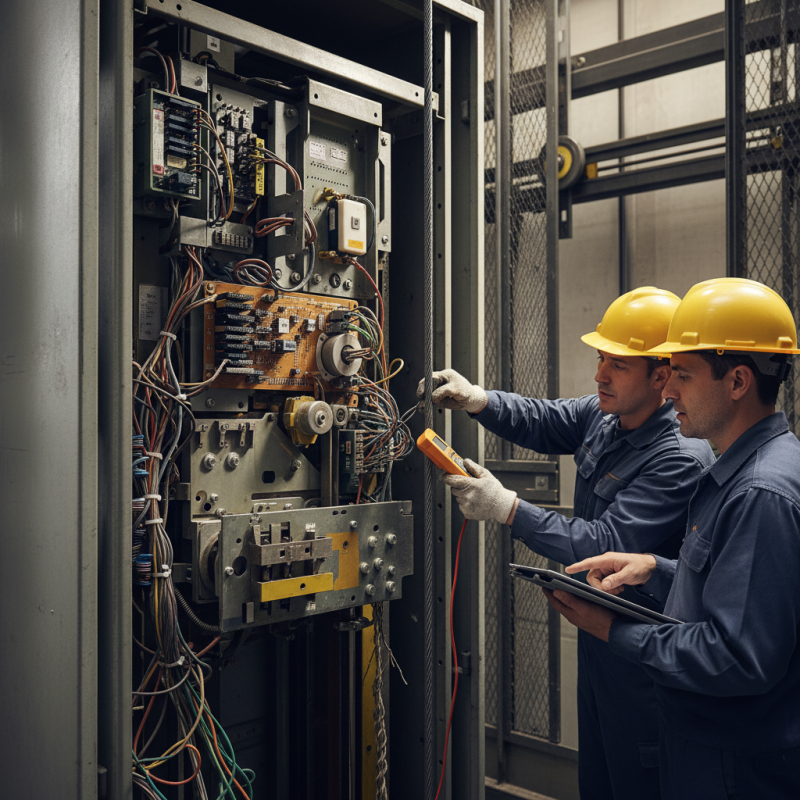
Elevator breakdowns can occur for various reasons, and understanding these causes is crucial for effective maintenance. According to industry reports, nearly 30% of elevator malfunctions arise from electrical issues. Improper wiring or aging components may lead to failures that disrupt service. Mechanical wear and tear is another significant factor. Regular use can wear out gears and pulleys, increasing the risk of breakdowns. Neglected maintenance schedules can exacerbate this problem.
Preventing elevator issues requires proactive measures. Conducting regular inspections can identify potential problems early. Implementing a maintenance routine could include lubricating moving parts and checking electrical systems. Operating elevators within designated weight limits prevents unnecessary strain. Additionally, educating users on proper elevator usage is beneficial. This reduces instances of misuse, which can lead to malfunctions.
**Tips:** Consider scheduling a professional inspection annually. This can catch issues before they escalate. Pay attention to unusual noises or erratic movements in your elevator. These may indicate underlying problems. Addressing these signs promptly can enhance safety and reliability.
| Common Causes | Description | Prevention Methods |
|---|---|---|
| Mechanical Failure | Issues with components like pulleys, cables, and motors. | Regular maintenance checks and timely replacement of worn parts. |
| Electrical Issues | Problems stemming from faulty circuits or power supply. | Install reliable surge protectors and conduct routine electrical inspections. |
| User Error | Improper use of elevator systems by passengers. | Provide clear instructions and signage on proper usage. |
| Overloading | Exceeding the weight limit of the elevator can cause failures. | Install weight sensors and encourage compliance with weight limits. |
| Environmental Factors | Extreme weather conditions can affect elevator mechanics. | Shield elevator equipment from harsh elements and conduct climate-resilient designs. |
: Electrical issues account for nearly 30% of malfunctions. Aging components and improper wiring contribute to failures.
Regular use can wear out gears and pulleys. This wear increases the risk of breakdowns over time.
Neglected maintenance can exacerbate mechanical issues and lead to more frequent elevator failures.
Monthly inspections are recommended to catch minor issues before they escalate into significant problems.
Dust and debris buildup can cause overheating and component wear. A clean environment ensures proper function.
Maintenance should include inspections, lubrication, and part replacements to keep elevators operating smoothly.
Educating users on proper elevator usage can reduce misuse. This helps prevent malfunctions from occurring.
A maintenance log tracks repairs and identifies patterns. Yet, many forget this step, missing valuable insights.
Operating within designated weight limits prevents unnecessary strain. This is key to maintaining elevator reliability.
Unusual noises or erratic movements may signal underlying issues. Address these promptly to enhance safety.
Elevator breakdowns can be attributed to a variety of factors, including mechanical failures, electrical issues, and lack of proper maintenance. Understanding what causes elevator breakdowns and how to prevent them involves recognizing common signs of potential malfunctions, such as unusual noises, slow responses, or frequent stops. Regular maintenance practices are essential to ensure elevators operate smoothly and safely. This includes routine inspections, lubrication of moving parts, and prompt repairs of any identified issues.
Additionally, modern elevators are equipped with safety features designed to prevent breakdowns and protect users during emergencies. Familiarity with these safety mechanisms and knowing the steps to take during an elevator emergency can significantly enhance user safety. By prioritizing maintenance and being aware of warning signs, building owners and managers can effectively reduce the risk of elevator malfunctions, ensuring a safe and efficient transportation system within their facilities.

 Ascom Elevator