Digital Insights Best Factors Affecting Elevator Speed and Capacity?

Time:2026-04-29 Author:Isabella
0%

In modern buildings, elevators are essential for ensuring efficient transportation. Understanding "what factors affect elevator speed and capacity" is crucial for architects and engineers. Various elements influence these aspects, from design specifications to operational mechanics.

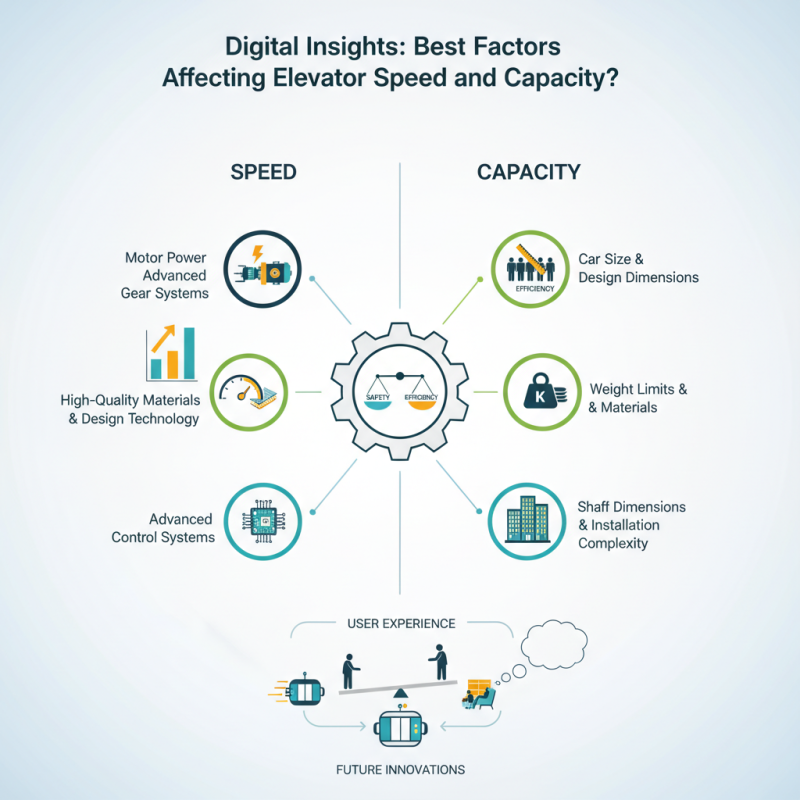
Elevator speed depends largely on the motor's power and design technology. Fast elevators use advanced gear systems and high-quality materials. Capacity, on the other hand, relates to size and design considerations. Increased weight limits and shaft dimensions enhance capacity but can complicate installation.

Engineers must balance speed and capacity with safety and efficiency. There’s a growing need to consider user experience. For instance, a faster elevator might lead to overcrowding, affecting its effectiveness. This complexity highlights that the interplay of factors isn't straightforward. Future innovations will continue to shape how we think about elevator performance.
Digital Insights Best Factors Affecting Elevator Speed and Capacity?

Factors Influencing Elevator Speed: Motor Technology and Design

Elevator speed and capacity are influenced by several key factors. Motor technology plays a crucial role in determining how quickly an elevator can travel. Modern elevators often use gearless traction motors. These motors provide smoother rides and can accelerate faster than traditional systems. The design of the elevator also affects its performance. A well-engineered shaft can minimize resistance and enhance speed.

It's essential to consider the load capacity as well. Different buildings require different specifications. An elevator designed for high-rise buildings must accommodate more weight while maintaining speed. Sometimes, prioritizing speed may compromise capacity, or vice versa. This balancing act requires careful thought during the design phase.

**Tip:** Regular maintenance of the motor can significantly improve speed and efficiency. Neglecting this can lead to wear and decreased performance.

Another aspect to reflect on is the influence of technology. Data analytics can optimize elevator performance, identifying patterns in usage. This can lead to smarter scheduling and better energy management.

**Tip:** Incorporate modern technology into your elevator system for better efficiency. Embrace innovation; it could elevate your building's operations.

Impact of Cabin Size on Elevator Capacity: Dimensions and Load Limits

The size of an elevator cabin significantly impacts its overall capacity. A standard passenger elevator typically measures between 5 to 6 feet wide and about 4 to 6 feet deep. This size allows for an average load limit ranging from 2,000 to 3,500 pounds. For instance, a cabin with dimensions of 5x7 feet can comfortably accommodate 10 to 12 passengers. However, as these numbers increase, the design must adapt to ensure safety and efficiency.

Load limits are critical when evaluating elevator capacity. Overloading can lead to mechanical failures or safety hazards, which is concerning. The American Society of Mechanical Engineers (ASME) regulates these standards, suggesting that adhering to designated load limits enhances both safety and performance. For example, exceeding the weight capacity by just 20% can reduce an elevator's operational lifespan by 15% or more.

Another aspect to consider is the design and layout of the elevator cabin. Space for wheelchair access or additional safety features can limit passenger capacity. Balancing these elements requires careful planning. It is essential to customize cabin dimensions to meet specific building needs while maintaining safety standards. Some designs may look appealing but lead to a lack of space efficiency. Thoughtful design could often yield better results.

Digital Insights Best Factors Affecting Elevator Speed and Capacity

Cabin Size (sqm) Load Limit (kg) Speed (m/s) Number of Passengers Application Type
1.0 630 1.0 8 Residential
1.4 1000 1.75 13 Commercial
2.0 1300 2.5 17 High Rise
2.5 1600 3.0 22 Freight

Role of Control Systems in Enhancing Elevator Performance and Efficiency

Control systems play a crucial role in improving elevator performance. They ensure safe and efficient operation, controlling speed and capacity precisely. An effective control system can significantly reduce wait times, enhancing passenger experience. Poorly designed systems may lead to delays or uncomfortable rides.

Modern elevators often use advanced algorithms. These are powered by real-time data and analytics. They adjust operations based on passenger demand and traffic patterns. A well-implemented control system minimizes energy consumption. However, fallback mechanisms may not always respond quickly, potentially causing issues in busy buildings.

Beyond technology, user experience matters. Elevators need intuitive controls and clear indicators. Misleading signals can frustrate riders. Proper training for maintenance personnel is also key. The balance between technology and human expertise is essential. An efficient elevator system should not overlook these factors.

Safety Standards and Regulations Affecting Elevator Speed and Capacity

Safety standards and regulations play a critical role in determining elevator speed and capacity. Organizations such as the American Society of Mechanical Engineers (ASME) establish guidelines that promote safe operation. For instance, elevators must comply with ASME A17.1, which addresses design and construction requirements. These regulations ensure that speed limits protect passengers while maintaining efficiency.

Elevator speed is often capped at 1,600 feet per minute for standard passenger lifts. However, some high-rise installations may exceed this for performance. To manage capacity, building codes dictate maximum load limits based on elevator size and intended use. Analyzing these standards reveals the balance between safety and operational efficiency.

Tip: Regular inspections can prevent issues and enhance safety.

Despite strict regulations, variability exists in how different jurisdictions enforce codes. This inconsistency can lead to safety gaps. Some elevators may not reach their full potential speed or capacity due to outdated compliance measures.

Tip: Stay informed about local regulations to ensure your elevator complies.

Understanding these regulations is vital for building owners. It ensures their elevators remain safe and efficient. Proper implementation of safety standards directly affects performance.

Digital Insights: Factors Affecting Elevator Speed and Capacity

The chart above illustrates the impact of various factors on elevator speed and capacity. The evaluated factors include Safety Standards, Design Specifications, Technology Integration, Maintenance Practices, and Load Capacity, each rated on a scale from 1 to 10 based on their overall influence.

Analyzing Passenger Flow Patterns to Optimize Elevator Operations

In analyzing passenger flow patterns, optimizing elevator operations becomes crucial for building efficiency. Research indicates that 80% of elevator waits are mainly influenced by peak traffic times. This shows how understanding the flow of people can lead to significant improvements in speed and capacity.

An effective approach combines predictive analytics with real-time data. Studies suggest that integrating IoT sensors can enhance operational insights. For example, they can track usage trends throughout the day. This data can inform scheduling changes, leading to a potential 30% reduction in wait times during busy hours.

However, not all responses to data are perfect. Many elevators still operate on fixed schedules that do not reflect actual demand. This rigidity can frustrate passengers, resulting in longer waits and poorer experiences. Ongoing evaluations and adjustments based on accurate metrics are essential for true optimization. Developing a more dynamic system could ultimately improve efficiency and user satisfaction.

FAQS

: What factors influence elevator speed?

: Elevator speed is affected by motor technology, design, load capacity, and maintenance.

How does motor technology impact elevator performance?

Gearless traction motors allow for faster acceleration and smoother rides, enhancing speed.

What is a standard passenger elevator size?

A typical cabin measures 5 to 6 feet wide and 4 to 6 feet deep.

How does cabin size affect load capacity?

Larger cabins can hold more weight, but must ensure safety and efficiency.

What are the consequences of overloading an elevator?

Overloading can lead to mechanical failures and shorten lifespan by about 15%.

Why are safety standards important for elevators?

Safety regulations, like ASME A17.1, ensure elevators operate within safe speed limits.

Can varying regulations affect elevator performance?

Yes, different jurisdictions may enforce safety codes inconsistently, creating potential safety gaps.

How can regular inspections impact elevator safety?

Regular inspections can detect issues early and ensure compliance with safety standards.

Why is technology integration crucial for elevators?

Modern technology optimizes performance and enhances efficiency through data analysis.

What should building owners consider regarding elevator design?

Customizing cabin dimensions for safety and specific needs can lead to better results.

Conclusion

The article "Digital Insights Best Factors Affecting Elevator Speed and Capacity" explores several key elements that determine the efficiency and effectiveness of elevator systems. What factors affect elevator speed and capacity? One major aspect is the motor technology and design, which directly influence how fast an elevator can travel and the weight it can carry. Additionally, the size of the cabin plays a critical role in capacity, as it dictates the maximum dimensions and load limits for passengers and cargo.

Furthermore, the implementation of advanced control systems is essential for enhancing overall elevator performance and efficiency, allowing for better management of passenger flow. Compliance with safety standards and regulations also significantly impacts both speed and capacity, ensuring that elevators operate safely within established guidelines. By analyzing passenger flow patterns, operators can optimize elevator operations, leading to improved service and reduced wait times.

Isabella

Isabella

Isabella is a dedicated marketing professional with a sharp focus on driving brand growth and engagement through strategic content creation. With an extensive background in digital marketing, she combines her passion for storytelling with her keen understanding of industry trends to deliver......