Elevator maintenance is essential for safety and efficiency. Yet, many building managers struggle with rising costs. The key question is: How to reduce elevator maintenance cost without compromising quality? This challenge requires a strategic approach that balances reliability and budget constraints.
To cut costs effectively, many focus solely on cheaper service providers. However, this can lead to frequent breakdowns and increased long-term expenses. Reliable service often comes with a higher upfront price. Investing in preventive maintenance can save money over time. This means scheduling regular inspections to catch issues early.
It's important to analyze the specific needs of each elevator. Consider factors such as usage patterns and age. Tailoring maintenance plans can yield better results. Reflecting on past decisions is crucial. Have previous cost-cutting measures led to unexpected problems? This evaluation can guide future practices.
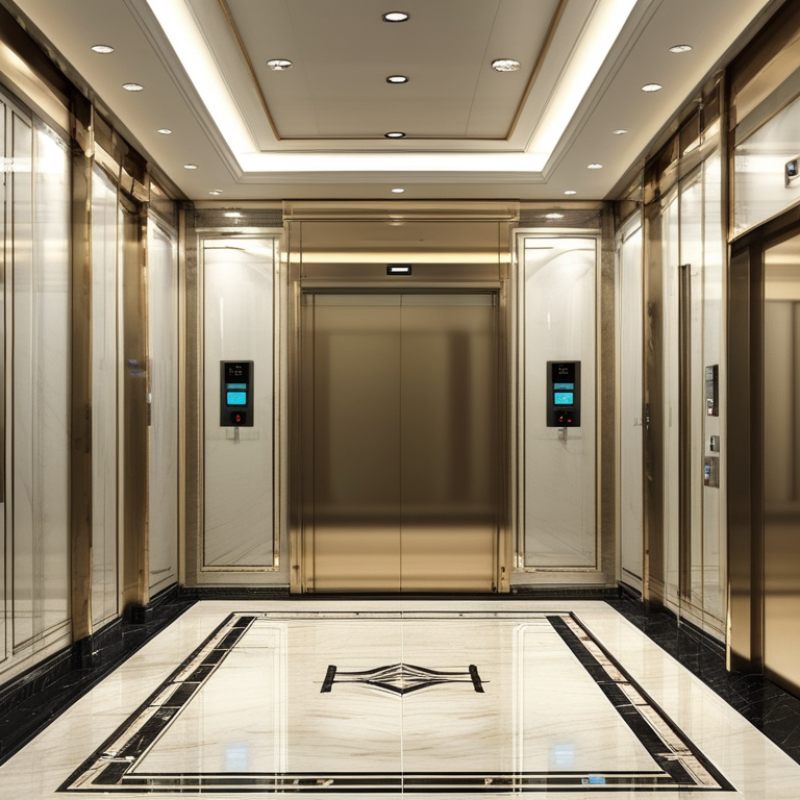
Elevator maintenance costs can vary significantly based on several key factors. According to a 2022 report from the National Elevator Industry, maintenance typically constitutes 10-20% of a building's overall operational budget. The age of the elevator is a major influence on these costs. Older elevators often require more frequent service and repairs, leading to higher expenses over time. Moreover, the type of technology used can also play a role. Advanced systems may need specialized technicians, increasing labor costs.
Another critical factor is the frequency of inspections and maintenance schedules. The American Society of Mechanical Engineers recommends monthly check-ups for elevators. Regular preventive maintenance can help identify potential issues early, reducing the risk of costly breakdowns. However, many property managers overlook this advice, which can lead to more significant expenses down the road.
Unexpected repairs can derail any budget. The same report noted that unplanned maintenance can cost facilities up to three times more than routine solutions. This reality highlights the importance of accurate budgeting and understanding your elevator's operational needs. Effective cost management in elevator maintenance may require regular reviews and adjusting strategies accordingly.
Elevator maintenance significantly impacts building operational costs. Regular services, such as inspections and repairs, can define overall expenses. According to a report by the Elevator Industry Association, maintenance can account for up to 25% of a building's operational budget. Overlooking necessary repairs can lead to escalated costs long-term due to unexpected breakdowns.
Monitoring common maintenance services is crucial. Services like safety inspections, cable replacements, and lubrication should not be overlooked. In fact, a proactive approach can reduce maintenance costs by about 15%, as highlighted in a recent study by the National Elevator Industry. Routine checks not only enhance safety but also extend an elevator’s lifespan.
**Tip:** Consider scheduling regular maintenance visits. This can help identify small issues before they escalate. Remember, preventive actions can save significant funds. Additionally, always assess service agreements. Not all contracts provide the best value, and understanding these can lead to better cost management.
Elevator maintenance can be a significant expense for building owners. Implementing a preventive maintenance program is a proven strategy to reduce these costs effectively. Research indicates that companies focusing on preventive care can save up to 30% in maintenance costs, as opposed to those relying solely on reactive measures.
By scheduling regular inspections and servicing, potential issues can be identified before they escalate. For instance, a malfunctioning component might be replaced during routine checks rather than during a costly emergency repair. Industry data shows that up to 70% of elevator breakdowns can be prevented with proper upkeep. This not only saves money but also enhances safety.
Tip: Regularly train maintenance staff on the latest technologies. Staying informed can prevent errors that lead to increased costs.
It's critical to track all maintenance activities and expenditures. Keeping detailed logs helps identify patterns that could hint at underlying problems. This approach can sometimes lead to reflections on inefficient practices that waste resources.
Tip: Use software tools for tracking maintenance records. This can simplify the management process and uncover hidden inefficiencies.
Elevator maintenance can be costly. However, adopting technological solutions can significantly reduce these expenses. Implementing predictive maintenance technology is a game changer. Sensors can monitor elevator performance in real-time. They detect issues before they become serious, saving both time and money on repairs. This proactive approach leads to fewer breakdowns and unexpected costs.
Another option is using cloud-based software for maintenance management. This helps track service schedules and maintenance history. It also streamlines communication with service providers. This can lead to more efficient maintenance processes. Regular data analysis also reveals trends that can inform better decisions.
Tips for effective cost management include:
Elevator maintenance costs can significantly impact budgets. One effective strategy is to evaluate service contracts. A study by the National Elevator Industry, Inc. found that optimizing contract terms can lead to savings of up to 30%.
Many property owners overlook the fine print in contracts. It's crucial to examine the scope of services offered. Are you paying for unnecessary inspections or redundant services? Negotiating better terms can eliminate these excess costs.
Research shows that renegotiating service agreements can yield substantial savings, with some facilities reporting a reduction in maintenance expenses by thousands of dollars annually.
Engaging multiple service providers during negotiations can enhance your leverage. Requesting quotes from different companies may reveal competitive pricing. However, not all providers offer the same quality of service. It's essential to balance cost with reliability. A lower price may come with trade-offs in service quality. Periodically reassessing these contracts will ensure you remain cost-effective while maintaining high service standards.
: Key factors include elevator age, technology type, and inspection frequency.
Maintenance typically represents 10-20% of a building's operational budget.
Older elevators need more frequent repairs, leading to higher overall maintenance costs.
Monthly inspections are recommended to catch issues early and avoid costly repairs.
Overlooking regular maintenance can lead to significant unexpected expenses down the line.
Optimizing contracts can save up to 30% on maintenance expenses compared to previous terms.
Pay attention to the scope of services to avoid redundant or unnecessary inspections.
Engaging multiple service providers for quotes can reveal better pricing options.
Not necessarily; lower costs may sometimes compromise service quality.
Regular reassessments ensure you maintain quality while staying cost-effective.
In the quest to understand how to reduce elevator maintenance costs, it's essential to recognize the various factors influencing these expenses. This includes identifying common maintenance services and their financial impacts. By implementing a preventive maintenance program, building owners can significantly mitigate unexpected repairs and prolong the lifespan of their elevators, ultimately leading to cost savings.
Additionally, exploring technological solutions can enhance maintenance efficiency and lower costs over time. Regular evaluations of service contracts, coupled with effective negotiation techniques, can also secure better terms and further reduce expenses. By strategically addressing these areas, stakeholders can achieve meaningful reductions in elevator maintenance costs while maintaining safety and reliability.

Ascom Elevator