How to Control Noise and Vibration in Elevators Effectively?

Time:2026-06-13 Author:Mason
0%

Elevators are essential in modern buildings, yet noise and vibration issues can disrupt their efficiency. Understanding how to control noise and vibration in elevators is crucial for operators and users alike. High levels of noise can lead to discomfort. Continuous vibrations can harm elevator machinery and affect longevity.

To tackle these issues, several methods can be employed. Upgrading components like rubber grommets, and using quality insulation materials can significantly reduce sound transmission. Engineers should carefully consider elevator design. The installation process also plays a critical role. Each of these factors demands attention and expertise.

Despite advancements, challenges remain. Even well-designed systems can face unexpected noise problems. Regular maintenance and monitoring are key. There’s always room for improvement. Professionals in this field must stay informed about innovative solutions and industry standards. Addressing these issues requires both knowledge and experience.
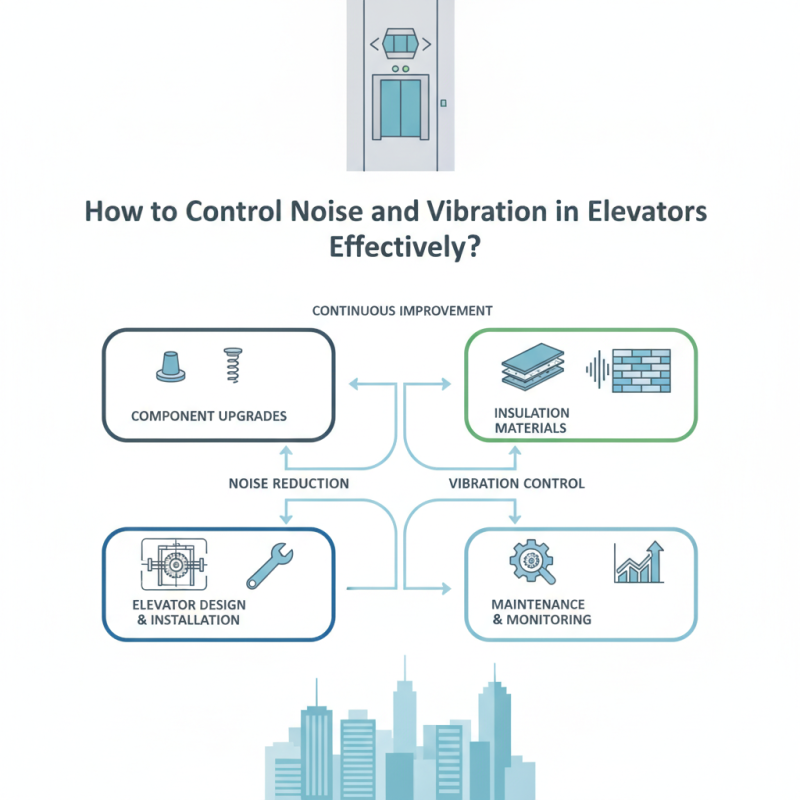
How to Control Noise and Vibration in Elevators Effectively?

Understanding the Sources of Noise and Vibration in Elevators

Noise and vibration in elevators can stem from various sources, making it a complex issue to address. One major contributor is the mechanical components. Gear systems may create significant noise, especially during high-load conditions. Proper lubrication and regular maintenance can alleviate some of these sounds, but they won't eliminate them entirely. Mechanical design flaws can exacerbate vibration levels, leading to discomfort for passengers.

Another source of noise is the elevator cab itself. The materials used in construction play a crucial role. Thin walls may transmit sounds more easily, while thicker materials can dampen vibrations. Insulation is essential. Adding sound-absorbing panels could mitigate noise but might not be feasible in all designs. Even the design of the door mechanisms can play a part. A poorly aligned door will typically create disruptive noise during operation.

Understanding the surrounding environment is equally important. Elevators situated near residential areas may face more scrutiny regarding noise levels. Vibration isolation pads can be helpful, yet their effectiveness varies based on installation and elevator type. Not every solution works universally, and each elevator system has its unique challenges. Addressing noise and vibration concerns requires a tailored approach, focusing on the specific conditions and components involved.

Assessing the Impact of Noise and Vibration on Elevator Performance

Noise and vibration in elevators can significantly affect performance. They can disrupt smooth operation and lead to passenger discomfort. Measuring and analyzing these factors is essential for overall efficiency. Engineers focus on vibrations from machinery, which can resonate through the structure, creating unwanted noise. Identifying the source of these vibrations is crucial in mitigating their effects.

Effective control starts with regular maintenance. Evaluating the condition of components like motors, cables, and pulleys helps prevent issues. Vibration dampers and noise insulation materials can reduce disturbances. However, applying these solutions requires careful analysis. A wrong choice could lead to further challenges, such as increased wear or operational inefficiencies.

Passenger experience is also at stake. High levels of noise can indicate mechanical problems and create anxiety. Elevators that operate quietly and smoothly enhance user satisfaction. Nonetheless, some installations still struggle with noise and vibration despite efforts. Engineers must continually assess their strategies to improve performance. The balance between comfort and functionality remains a complex challenge.

Implementing Design Strategies to Reduce Noise and Vibration

Elevators are essential in modern buildings, but noise and vibration can disrupt the user experience. Effective design strategies can significantly reduce these issues. Implementing sound-dampening materials within the elevator shaft is one approach. This can include insulation that absorbs sound, minimizing noise during operation.

Another key strategy is to use advanced technologies. Vibration isolation mounts help to absorb and minimize vibrations from the elevator components. Integrating these into the design can enhance comfort for passengers. Additionally, selecting high-quality bearings can reduce operational noise. These elements often require careful consideration during the planning phase.

However, challenges can arise. Adding too many soundproofing features may lead to increased costs and complexity. Designers must balance performance with budget constraints. Regular maintenance also becomes crucial to ensure the systems function as intended over time. Without it, noise and vibration could return. Effective communication among architects, engineers, and maintenance teams is vital. This collaboration can help ensure that the elevator design meets both performance and comfort standards.

Utilizing Advanced Technologies for Noise and Vibration Control

Elevators are a vital part of modern buildings, yet noise and vibration can be significant issues. Addressing these challenges can enhance passenger experience and improve equipment longevity. Advanced technologies have emerged as effective solutions to tackle these problems.

One approach involves the use of vibration isolation pads. These components absorb vibrations generated during operation, significantly reducing noise levels. Another innovative technology is the adoption of active noise cancellation systems. These systems utilize microphones and speakers to create sound waves that counteract unwanted noise. Both methods have shown promising results in creating a quieter elevator environment.

Yet, despite advancements, there are still imperfections in these technologies. Not all buildings can accommodate vibration isolation pads due to space constraints. Additionally, active noise cancellation systems might require calibration specific to each elevator. Continuous evaluation and improvement are essential. Experts in the field must seek feedback and push the boundaries of these technologies to further mitigate noise and vibration effectively.

How to Control Noise and Vibration in Elevators Effectively? - Utilizing Advanced Technologies for Noise and Vibration Control

Control Method Technology Used Effectiveness Rating Implementation Cost ($) Maintenance Requirements
Active Vibration Control Smart Sensors and AI Algorithms High 15,000 Low
Damping Systems Viscoelastic Dampers Moderate 8,000 Moderate
Isolation Mounts Rubber and Spring Isolation High 5,000 Low
Acoustic Panels Sound-Absorbing Materials Moderate 3,500 Low
Control Algorithms Dynamic Control Strategies Very High 20,000 High

Maintaining Elevators to Sustain Low Noise and Vibration Levels

Elevators are essential for convenience in multi-story buildings, but noise and vibration can be disruptive. Regular maintenance is crucial in reducing these issues. Checking and lubricating moving parts helps minimize friction and noise. Over time, wear and tear can lead to increased noise levels. Ignoring these signs can make the problem worse.

Routine inspections should include a thorough examination of cables, pulleys, and motor components. Tightening loose components can significantly reduce vibrations. Adjusting the alignment of the elevator rails is also necessary, as misalignment can contribute to both noise and vibrations. Small issues can escalate if left unaddressed.

Involve professionals to assess the overall condition of the elevator system. They bring expertise that can help identify hidden problems. Even minor adjustments can lead to noticeable improvements in performance. Keeping a maintenance log can track changes over time. It’s easy to overlook details, but consistent attention can ensure smoother, quieter operations.

FAQS

: What causes noise and vibration in elevators?

: Noise and vibration can come from mechanical components and elevator cab materials.

How can lubrication help with elevator noise?

Proper lubrication reduces friction, minimizing noise but doesn't completely eliminate it.

Why does the material of the elevator cab matter?

Thicker materials can dampen vibrations. Thin walls might amplify sounds.

Can environmental factors affect elevator noise levels?

Yes, elevators near residential areas may face higher scrutiny regarding noise.

What is a vibration isolation pad?

It's a device that absorbs vibrations but may not work universally.

How can sound-dampening methods be implemented?

Sound-absorbing materials can be added, but they may increase costs.

Why is regular maintenance important for elevators?

Regular checks prevent increased noise from wear and tear. Ignoring maintenance can worsen issues.

What should routine inspections focus on?

Inspect cables, pulleys, motor components, and alignment. Small adjustments can help a lot.

How can misalignment contribute to elevator issues?

Misaligned rails can increase both noise and vibrations, complicating operations.

Why is communication important in elevator design?

Collaboration among teams ensures the design meets performance and comfort needs.

Conclusion

In addressing "How to control noise and vibration in elevators," it is crucial to first understand the main sources of these issues, which can arise from mechanical elements, structural factors, and external influences. Assessing their impact on elevator performance allows for a comprehensive approach to mitigating these effects, ensuring smoother operation and improved user experience.

Effective strategies include implementing innovative design elements that minimize noise transmission and vibration, as well as utilizing advanced technologies such as vibration dampers and sound insulation materials. Additionally, regular maintenance of elevator systems is vital to sustain low noise and vibration levels over time. By focusing on these areas, elevator systems can achieve enhanced efficiency and user comfort, ultimately leading to a better urban mobility experience.

Mason

Mason

Mason is a seasoned marketing professional with a deep expertise in the company's offerings and a passion for driving brand awareness. With a strong background in digital marketing strategies, he has an innate ability to connect with diverse audiences and effectively communicate product benefits.......