How to choose the best elevators for residential apartments?

Time:2026-07-01 Author:Oliver
0%

The selection of elevators for residential apartments is crucial for enhancing accessibility and overall property value. According to a report by the National Elevator Industry, Inc., about 50% of new condominiums now include elevators. This trend highlights the importance of understanding how to choose elevators for residential apartments.

Choosing the right elevator hinges on many factors, including space availability and user demographics. Residential buildings can benefit from tailored solutions to meet specific needs. A well-chosen elevator can greatly improve convenience for all residents, including those with mobility challenges. However, inadequate planning and poor choice can lead to operational inefficiencies.

The cost implications also deserve careful consideration. Elevators can range from $20,000 to over $100,000. Thus, it's vital to balance quality and affordability. Take time to evaluate different brands and their reputations. As the market evolves, thorough research is essential for making informed decisions. The right choice reflects expertise and reliability in the residential sector.
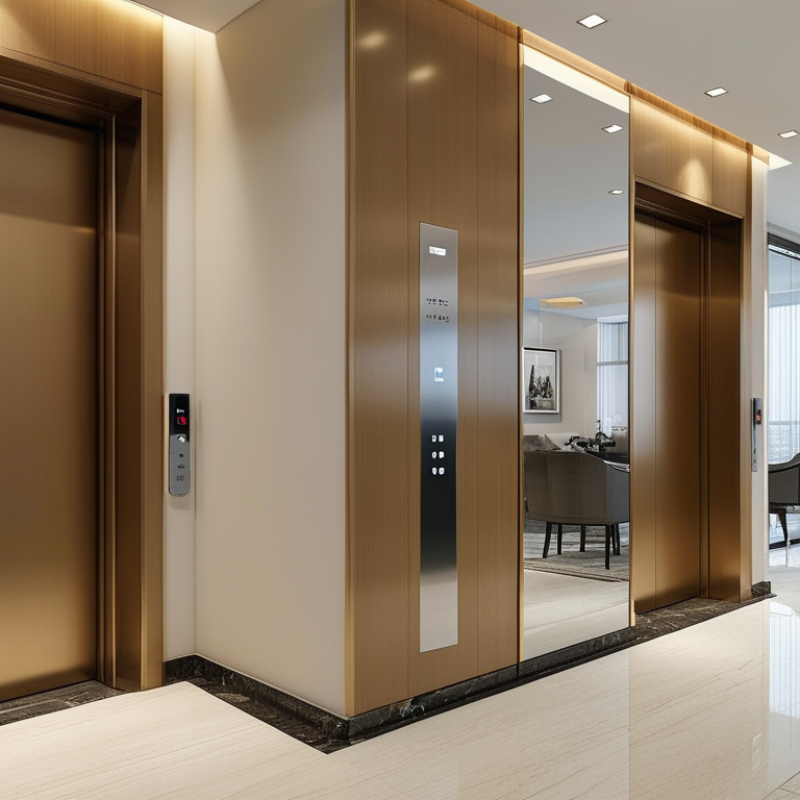
How to choose the best elevators for residential apartments?

Understanding the Different Elevator Types for Residential Use

When selecting an elevator for a residential apartment, understanding the different types is crucial. The most common residential elevators are hydraulic, traction, and pneumatic. Hydraulic elevators work through a fluid-driven system and are ideal for low-rise buildings. They offer a smooth ride but require a machine room for installation. Traction elevators, on the other hand, use ropes and pulleys for movement. They are quieter and more energy-efficient but need a greater overhead space. This choice can be a challenge for apartments with design constraints.

Pneumatic elevators are an innovative option. They operate using air pressure and have a sleek, modern look. These elevators are compact and can be installed without a traditional shaft. However, their capacity is generally lower, which might be a limitation for larger families. Each type presents unique advantages and potential drawbacks, often making the decision difficult. Evaluating personal needs, such as available space and budget, can help each homeowner make informed choices.

Assessing Your Apartment's Space and Structural Requirements

When selecting elevators for residential apartments, the space and structural requirements must be thoroughly assessed. According to recent reports, approximately 30% of residential buildings face challenges due to inadequate space for elevators. This issue often stems from outdated architectural designs that do not accommodate modern accessibility needs. A careful examination of available space is crucial. Measure door widths, ceiling heights, and stairwell dimensions to ensure a smooth integration.


Structural factors also play a vital role. Analysis from the National Elevator Industry, Inc. reveals that around 20% of installations encounter structural obstacles. This can include load-bearing walls and existing utilities. Engaging a structural engineer early in the planning stages can help identify potential issues. They can provide insights into necessary reinforcements or modifications. Avoid personal estimates; rely on expert evaluations for precise decisions.


Future mobility trends can influence choices. With aging populations in urban areas, residential elevators are gaining importance. Yet, many designs still fail to consider future needs, such as broader cab dimensions for wheelchair access. Ensure that the selections not only meet current requirements but also anticipate potential changes in user needs. Each decision made now can have long-lasting impacts on residents' comfort and convenience.

Evaluating Elevator Capacity and Speed Needs for Your Lifestyle

When choosing an elevator for your residential apartment, evaluating capacity and speed is essential. Think about your daily routines. If you have a busy lifestyle, a faster elevator may be necessary. For larger families, a spacious elevator can accommodate multiple occupants or bulky items like groceries.

Consider the number of floors in your building. For low-rise apartments, a slower speed may suffice. However, higher buildings generally require faster elevators to reduce wait times. Assess your needs honestly. An elevator that is too small might leave you frustrated during peak hours.

While selecting, weigh all factors carefully. The elevator should align with your living arrangements. Pay attention to installation locations. You want easy access on each floor. Evaluate all options based on your unique lifestyle, rather than trends or recommendations. This ensures that you make the best choice for your home.

How to choose the best elevators for residential apartments? - Evaluating Elevator Capacity and Speed Needs for Your Lifestyle

Attribute Description Recommended Value
Capacity Maximum weight the elevator can carry 750 - 2000 lbs
Speed Speed of the elevator in feet per minute 100 - 400 fpm
Travel Height Maximum height the elevator can travel Up to 5-6 floors
Door Width Width of the elevator door opening 32 - 48 inches
Power Source Type of energy used for operation Electric or hydraulic
Installation Space Required space for installation Min. 4x4 ft shaft
Safety Features Safety measures included in the elevator design Emergency brakes, interlocks

Considering Energy Efficiency and Maintenance Costs

When selecting elevators for residential apartments, energy efficiency and maintenance costs are vital factors. Energy-efficient elevators reduce electricity consumption. This results in lower utility bills and a smaller carbon footprint. Opting for models with regenerative drives can harness excess energy. This feature is a significant benefit in multi-story buildings.

Maintenance costs can quickly add up. Regular service and repairs are essential for elevator longevity. Some systems require specialized parts, increasing expenses. It's crucial to choose elevators that have readily available components. A reliable maintenance plan can mitigate these costs. Be cautious about choosing the cheapest option, as it may lead to higher long-term maintenance bills.

Choosing the right elevator involves a balance between efficiency and upkeep. Consider how often elevators will be used. High traffic requires more robust systems. Long-term performance reliability is key. You may find that more expensive options provide better efficiency and lower maintenance costs over time. Each building has unique needs, and finding the fit can be challenging but essential.

Reviewing Safety Features and Compliance with Regulations

When selecting elevators for residential apartments, safety features are paramount. Consider the methods of emergency communication available in the elevator. High-quality models often integrate two-way communication systems. This enables immediate contact with emergency services in case of a malfunction.

Adherence to local safety regulations is crucial. Each region has specific codes that must be met. Check if the elevator complies with these standards. Regular inspections are also necessary to ensure ongoing safety. Look for elevators that offer detailed maintenance records.

Evaluate the safety mechanisms installed, such as backup power systems. These keep the elevators operational during power outages. Moreover, consider the braking systems and door sensors. These features can prevent accidents and ensure user safety. Nonetheless, it’s vital to reflect on whether the chosen elevator truly meets all safety requirements. A comprehensive safety assessment should not be overlooked.

FAQS

: What are key factors to consider when selecting elevators for apartments?

: Space and structural requirements are crucial. Measure door widths, ceiling heights, and stairwell dimensions.

Why is engaging a structural engineer important?

They can help identify structural obstacles early. This ensures necessary reinforcements or modifications are planned.

How do future mobility trends affect elevator selection?

Aging populations may require broader cab dimensions. Selecting options anticipating future needs is important.

What safety features should I evaluate in elevators?

Look for emergency communication systems, backup power, braking systems, and door sensors.

How can I ensure compliance with safety regulations?

Check local codes specific to your area. Regular inspections and maintenance records are essential.

What risks are associated with personal estimates for elevator needs?

Personal estimates can be inaccurate. Relying on expert evaluations ensures more precise decisions.

Why should I assess safety mechanisms in elevators?

Safety mechanisms prevent accidents. They contribute to the overall safety of residents using the elevators.

Should I reflect on the safety requirements of my chosen elevator?

Yes, it's vital to conduct a comprehensive safety assessment. Overlooking this can lead to potential risks.

Conclusion

When deciding how to choose elevators for residential apartments, it's essential to understand the different types available for home use. Assessing the apartment's space and structural requirements is crucial to ensure a proper fit and functionality. Additionally, evaluating the elevator's capacity and speed in relation to your lifestyle helps determine the best option for your daily needs.

Energy efficiency and maintenance costs should also be key considerations, as they can significantly impact long-term expenses. Lastly, reviewing safety features and ensuring compliance with local regulations will provide peace of mind. By carefully weighing these factors, homeowners can make an informed decision that enhances their living environment.

Oliver

Oliver

Oliver is a seasoned marketing professional with a wealth of expertise in driving brand awareness and engagement. With a deep understanding of our company's product offerings, he consistently delivers high-quality content that enriches our professional blog. His insights not only shed light on......