How to Choose Custom Elevators for Your Villa or Home?

Time:2026-07-17 Author:Aria
0%

When considering how to choose custom elevators for villas and homes, it's essential to focus on both functional and aesthetic values. According to a recent report by the International Association of Elevator Engineers (IAEE), the demand for residential elevators is expected to grow by 8% annually, driven by the rise in luxury home constructions. This trend highlights the importance of making informed choices in elevator design and technology.

Industry expert Michael Hartmann emphasizes, "Selecting the right elevator goes beyond just convenience; it enhances the overall value and comfort of your home." With this in mind, homeowners must evaluate the specific needs of their families and living spaces, including size, style, and technology preferences. Often, buyers overlook the integration of an elevator with home décor, which can lead to mismatched aesthetics and functionality.

Ultimately, navigating the world of custom elevators requires careful consideration. Choosing an elevator involves more than just features; it encompasses the entire living experience. Reflecting on practical needs and personal style helps ensure that your decision adds genuine value to your villa or home.
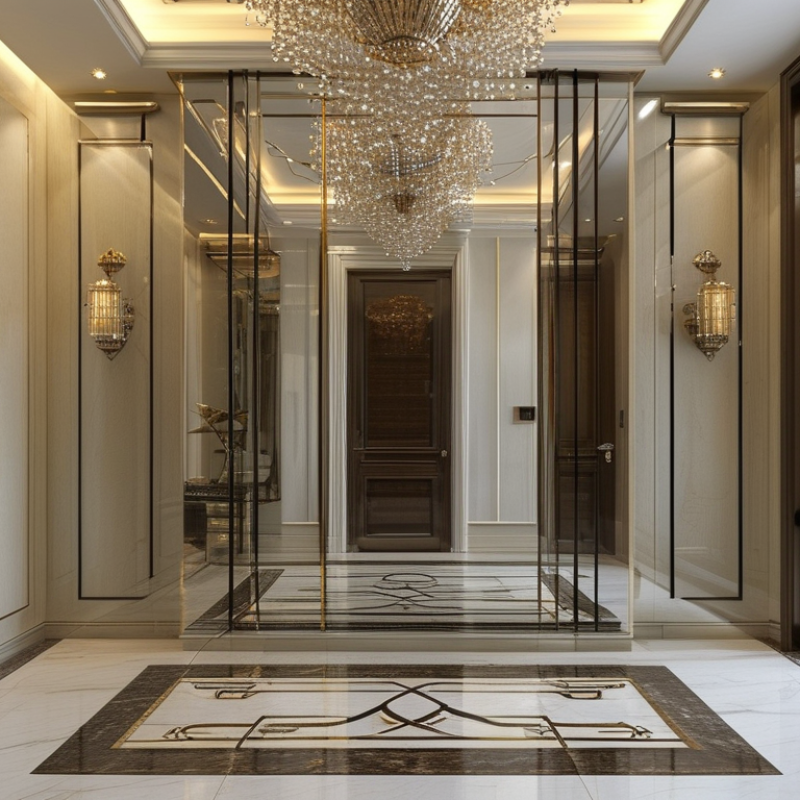
How to Choose Custom Elevators for Your Villa or Home?

Understanding the Different Types of Custom Elevators Available for Homes

When choosing custom elevators for your villa or home, it's essential to understand the different types available. The market offers various options, including hydraulic, traction, and pneumatic elevators. According to a recent industry report, nearly 40% of homeowners opt for hydraulic elevators due to their efficiency and smoother ride experience. These elevators are often preferred for low-rise buildings and provide a reliable option for residential use.

Pneumatic elevators, known for their space-saving design, have grown in popularity. They require no pit or machine room, making them ideal for homes with limited space. Industry data suggests that this type has seen over a 25% increase in installations over the past five years. However, they may not be suitable for every property.

**Tips:** Consider the maximum weight capacity before making your choice. Think about future needs, especially if your family grows. Always consult with a professional to assess your home’s layout and design.

Moreover, traction elevators come with energy-efficient features. While they can be more expensive upfront, they often lead to lower long-term operational costs. Carefully reflecting on your options is crucial, as the wrong type may lead to disappointment. Evaluate your installation location and lifestyle needs for best results. Selecting the right elevator involves understanding these choices deeply.

How to Choose Custom Elevators for Your Villa or Home?

Type of Elevator Description Load Capacity Typical Height Range Cost Estimate
Hydraulic Elevator Uses a hydraulic system to lift and lower the cab. Up to 2,500 lbs Up to 5 floors $25,000 - $50,000
Traction Elevator Uses a system of ropes and pulleys to lift the cab. Up to 3,500 lbs One to multiple floors $30,000 - $80,000
Pneumatic Vacuum Elevator Uses air pressure to move the cab up and down. Up to 450 lbs Up to 3 floors $35,000 - $70,000
Screw and Nut Elevator Uses a screw mechanism to lift the cab. Up to 1,000 lbs Up to 2 floors $20,000 - $40,000

Assessing Your Space: Dimensions and Architectural Considerations for Elevators

When choosing custom elevators for your villa or home, assessing the dimensions and architectural aspects is crucial. Many homeowners overlook the precise measurements required for a smooth installation. According to industry reports from the National Elevator Industry, approximately 30% of installation issues stem from inadequate space planning.

Evaluate the height and width of your planned elevator shaft. Ensure it meets the minimum requirements for the elevator model you desire. Typical home elevators require a shaft that is at least 38 inches wide and 48 inches deep. Custom designs can vary. Furthermore, consider the overhead clearance needed for proper operation. Missing this can lead to costly adjustments later.

Architectural considerations also play a vital role. The style of your home should influence your elevator design. Traditional homes may benefit from a classic style, while modern homes often lean towards sleek, minimalist designs. Integrating the elevator with existing staircases can enhance aesthetics. Realigning your design can sometimes be a challenge. Seek professional advice if uncertainties arise, as this can lead to future problems. Balancing function and style requires careful thought and consideration.

Evaluating Safety Features and Compliance Standards for Home Elevators

When choosing custom elevators for your villa or home, safety should be a top priority. Begin by evaluating the safety features of potential models. Look for standard features like emergency brakes and automatic sensors. Confirm that the elevator has a reliable communication system for emergencies. Accessibility for all users is also vital. Ramps and larger doors can make a huge difference.

Compliance with local regulations is essential. Research building codes specific to elevators. Ensure that the elevator meets or exceeds safety standards set by relevant authorities. Inspect the certifications of manufacturers and installation professionals. This step not only guarantees quality but also protects your investment in the long term.

It’s important to be aware of the design aspects as well. Aesthetic considerations should complement safety features. Balance elegance with functionality. Some designs may look appealing but could lack necessary safety measures. Analyze user reviews and testimonials for an unbiased view. Through careful research, you can find an elevator that is both stylish and safe for your home.

Safety Features in Home Elevators

This chart illustrates the importance ratings of various safety features in home elevators on a scale of 1 to 10. Ensuring these features are included in custom elevators is crucial for safety and compliance in a villa or home setting.

Choosing the Right Style and Design for Your Villa’s Aesthetic Appeal

When selecting custom elevators for your villa, consider how they align with your home's aesthetic appeal. The seamless integration of style and function is crucial. According to a 2022 report from the National Elevator Industry, over 75% of homeowners prioritize design aspects in their elevator choices. These insights reflect an industry trend toward personalized solutions that enhance property value.


Think about materials and finishes. Steel, glass, and wood can create different moods. A glass elevator offers transparency, making spaces feel larger. On the other hand, wooden designs can provide warmth and elegance. Keep in mind, integrating an elevator should not disrupt the flow of your home. A poorly placed elevator can clash with your overall design theme, requiring costly adjustments later.


Functionality is also a priority. Many overlook the technical aspects, leading to challenges post-installation. Elevators need sufficient power supply and maintenance access. An elevator should not only look good but work effectively. Regular upkeep is essential to avoid frequent repairs. In short, choosing the right custom elevator requires careful consideration of both aesthetic and practical factors.

Budgeting for Custom Elevator Installation and Maintenance Costs

When considering custom elevators for your villa or home, budgeting is crucial. Installation and maintenance costs can vary significantly. Custom elevators offer unique designs and features, but they also require careful financial planning.

Tips: Always get multiple quotes. This helps you understand the market range. Expect installation costs to include structural modifications. Maintenance can add up, too. Regular servicing ensures safety and functionality.

It's easy to underestimate these expenses. Many homeowners overlook ongoing maintenance costs. Routine check-ups might seem minor now, but they add up over time. Consider setting aside a budget for unexpected repairs to avoid issues later. Keep in mind that larger or highly customized elevators could lead to higher costs.

FAQS

: What should I assess before installing a custom elevator?

: Measure the height and width of your planned elevator shaft. Ensure it meets minimum requirements.

How wide and deep should an elevator shaft be?

A typical home elevator shaft needs to be at least 38 inches wide and 48 inches deep.

What happens if I miss overhead clearance requirements?

Missing overhead clearance can lead to costly adjustments during installation.

How does my home's style influence elevator design?

The style influences the elevator design. Traditional homes may prefer classic styles, while modern ones may choose minimalist designs.

Why is space planning important for elevator installation?

Around 30% of installation issues arise from inadequate space planning. Proper measurements are essential.

How can I manage costs associated with custom elevators?

Always get multiple quotes to understand market range and plan accordingly for installation and maintenance costs.

What are the common costs that homeowners overlook?

Many underestimate ongoing maintenance and unexpected repair expenses over time.

Is it necessary to seek professional advice?

Yes, seeking professional advice can prevent future problems and improve design alignment.

How can I ensure safety and functionality for my elevator?

Schedule regular servicing to maintain safety and proper functionality. It’s a vital part of ownership.

What should I consider for budget planning?

Set aside a budget for installation, maintenance, and unexpected repairs. It’s easy to overlook these costs.

Conclusion

When considering how to choose custom elevators for villas and homes, it is essential to start with a clear understanding of the different types of custom elevators available. Homeowners should assess their space, taking into account dimensions and architectural considerations to ensure the elevator complements their home’s layout. Evaluating safety features and compliance with regulations is crucial to ensure the installation is not only stylish but also safe.

Additionally, aesthetic appeal plays a significant role in the selection process; choosing a design that aligns with the villa’s interior can enhance the overall ambiance. Finally, budgeting for installation and maintenance costs is vital to ensure that the chosen elevator remains a practical and long-term investment for the home.

Aria

Aria

Aria is a dedicated marketing professional with a deep passion for innovative strategies and a keen understanding of our company's product offerings. With a wealth of experience in the industry, Aria excels at crafting engaging content that highlights the unique features and benefits of our......