Choosing the right elevator for a building is crucial. As industry expert John Smith says, "A well-chosen elevator can enhance functionality and accessibility." In 2026, many factors will influence this decision.
The design of your building is vital. Consider its height and layout. Different elevators serve various needs. For example, high-rise buildings require advanced elevators with speed and efficiency. Smart technology is another factor. Innovations like AI can optimize elevator management.
Thinking about the future is essential. Sustainability will play a big role. Look for elevators that are energy-efficient to reduce long-term costs. Reflect on how your choice impacts daily operations and user experience. Making the right elevator choice enhances overall building value. Remember, it’s not just about the elevator; it’s about improving lives.
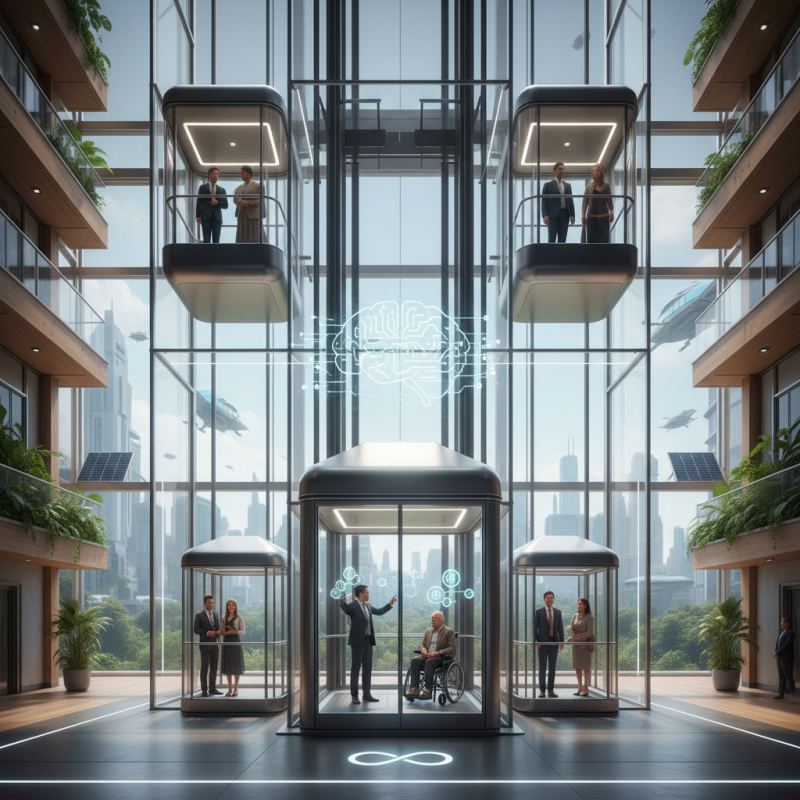
When choosing an elevator for your building in 2026, it's crucial to understand the various types available. Hydraulic elevators are popular for low-rise buildings. They are cost-effective and easy to install. However, these systems may consume more energy compared to others. Consider this carefully when assessing your options.
Another option is the traction elevator, ideal for mid to high-rise buildings. These elevators use a system of cables and pulleys. They are more energy-efficient and provide quicker service. Yet, they require more space for the machinery. Space constraints in your building might limit this choice.
Finally, there's the emerging technology of pneumatic elevators. These use air pressure for movement and are often compact. They can add a modern touch to small spaces. However, their capacity may not suit larger buildings. Reflecting on your building's specific needs is essential. The right elevator impacts not just functionality but also the overall user experience.
Choosing the right elevator for your building involves several important factors. One key aspect is the building's traffic load. Evaluate how many people use the elevator daily. A busy office may require a high-capacity model. In contrast, a small residential building might need only a smaller system.
Consider the elevator's speed. Faster elevators are crucial in taller buildings. However, this can compromise energy efficiency and maintenance needs. Are you prepared for higher operating costs? Also, think about available space. Some elevators need more room for installation and mechanics. A tight space can limit your options.
Lastly, assess your long-term needs. Technology evolves rapidly, so look for future-proof options. Will your building grow? Anticipate possible renovations. You might regret a short-sighted decision if you choose based on immediate needs. Balancing costs with functionality can be difficult, but it's essential for a successful choice.
When choosing the right elevator for your building, analyzing specifications is crucial. Consider the building's height and design. A low-rise building may not need as many elevators as a high-rise does. Think about the number of floors and expected users. This information guides the decision.
Traffic patterns play a significant role as well. Observe peak usage times. If many people use the building during certain hours, more elevators may be necessary. A miscalculation here could lead to long wait times and frustration. Think about accessibility needs too. Elevators should support all users, including those with disabilities.
It's easy to overlook these details. People assume one size fits all. However, each building has unique needs. If you ignore these aspects, you might face operational challenges later. Evaluate your building's specific demands to make a better choice now, rather than regretting it in the future.
Careful planning today leads to smoother operations tomorrow.
Emerging technologies are transforming elevator design. Smart elevators with AI capabilities enhance efficiency. According to a recent report by the International Elevator and Escalator Industry, these elevators can reduce wait times by up to 30%. This improvement is crucial for high-traffic buildings.
Another advancement is the use of greener technologies. Many manufacturers are focusing on energy-efficient systems. Regenerative drives harness energy during descents. This can lead to energy savings of about 20% annually. However, not all buildings are adopting these technologies, often due to initial cost concerns.
Additionally, predictive maintenance solutions are becoming standard. Sensors detect wear and tear in real time. This approach helps avoid costly breakdowns. A study by the Building Owners and Managers Association found that buildings using predictive maintenance reduced downtime by 50%. However, the integration of these systems can be complex. Not all building managers are ready to embrace this shift.
When selecting an elevator for your building in 2026, cost is a crucial factor. Consider the initial installation costs as well as ongoing expenses. Prices can vary widely based on design, size, and features. For example, a standard passenger elevator may cost less than a custom-designed option. However, keep in mind that cheaper models might incur higher maintenance fees over time. Evaluate your budget carefully to get the best long-term outcome.
Maintenance requirements are critical for any elevator choice. Regular inspections are necessary to ensure safety and efficiency. Some systems may require parts replacement more frequently, leading to additional costs. It's essential to factor in these long-term maintenance obligations when making your decision. You may find yourself questioning whether lower upfront costs are worth the potential complications later. Choose wisely to avoid future regrets.
: There are three main types: hydraulic, traction, and pneumatic elevators.
They are cost-effective and easy to install, making them suitable for low-rise buildings.
They tend to consume more energy compared to other elevator types.
Traction elevators are ideal for mid to high-rise buildings due to their energy efficiency.
They require more space for installation, which might not be feasible in some buildings.
They use air pressure for movement, offering a modern touch in compact spaces.
Consider the daily traffic load and how many people will use the elevator regularly.
Faster elevators benefit taller buildings but may increase energy costs and maintenance needs.
Buildings may grow or undergo renovations, making future-proof options necessary to avoid regrets.
Evaluate both installation costs and ongoing maintenance, as cheaper models may lead to higher long-term expenses.
Choosing the right elevator for a building in 2026 involves a comprehensive understanding of the various types of elevators that are available. As technology evolves, it is essential to consider key factors such as building specifications, height, and typical traffic patterns when selecting the most suitable elevator. This ensures that the elevator can efficiently accommodate the flow of occupants while enhancing overall building accessibility.
Additionally, staying informed about emerging technologies and their benefits, such as energy-efficient designs and smart control systems, can significantly impact the decision-making process. Cost considerations, including initial installation expenses and ongoing maintenance requirements, are also crucial in determining the best elevator solution for your building. Ultimately, effective evaluation of these elements will provide clarity on how to choose the right elevator for a building, ensuring optimal performance and user satisfaction.

Ascom Elevator