The global demand for Platform Lifts is on the rise, projected to reach $2.5 billion by 2026. This growth reflects a growing emphasis on accessibility in both residential and commercial sectors. Recent data from the International Lift Equipment Association indicates a 15% annual increase in adoption rates, highlighting the need for high-quality solutions.
Expert in the field, Dr. Emily Baker, states, "The future of Platform Lifts lies in their ability to provide seamless access for everyone." This vision aligns with evolving building codes and regulations promoting inclusivity. As buyers navigate various options, choosing the right platform lift is crucial for ensuring user safety and satisfaction.
As the market evolves, challenges remain. Not all manufacturers adhere to rigorous safety standards. Buyers must conduct thorough research to avoid subpar products. Striking a balance between cost and quality can feel overwhelming. Nevertheless, the potential benefits of embracing advanced platform lift technology are undeniable.
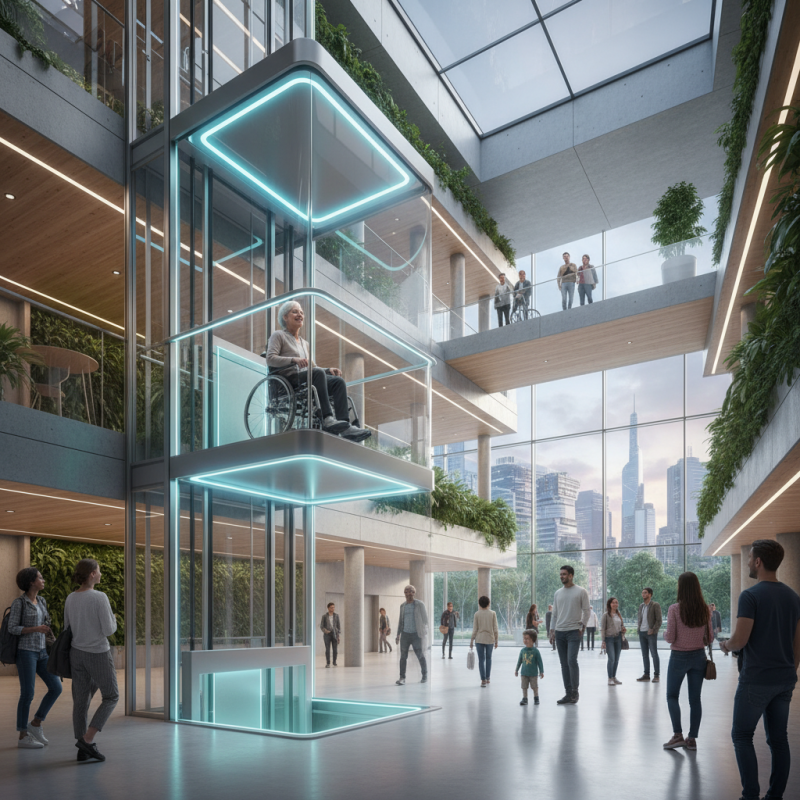
Platform lifts are essential in enhancing accessibility across various environments. These lifts serve both residential and commercial purposes. They enable individuals with mobility challenges to navigate different levels easily. Understanding the types available is crucial for choosing the right solution.
There are several types of platform lifts to consider. Vertical lifts are ideal for short distances, such as between floors in homes. They require less space than traditional elevators. Inclined platform lifts cater to staircases, allowing users to travel safely alongside stairs. They can be installed indoors or outdoors, providing flexibility. Many platform lifts are designed to blend seamlessly into existing architecture, enhancing aesthetics while serving a practical purpose.
It is important to reflect on user needs when selecting a platform lift. Each environment has unique requirements. Factors like weight capacity, space constraints, and safety features must be evaluated. Real-world feedback is invaluable. Some users may find certain models challenging to operate. Reviews from actual users can guide potential buyers. Engaging with community experiences can lead to better-informed decisions.
This chart showcases the projected applications of various types of platform lifts for global buyers in 2026. The data reflects the anticipated demand for hydraulic, electric, mechanical, pneumatic, and scissor lifts in thousands of applications.
When selecting a platform lift, several key features will help ensure the right choice. First, consider the lift's weight capacity. Different models support varying loads. It is crucial to assess your specific needs based on usage demands. A lift that cannot handle the required weight may malfunction, leading to safety risks.
Another vital aspect is the lift's footprint. Compact designs are ideal for limited spaces. Be aware of the lift's dimensions and ensure it fits your environment. Additionally, look for user-friendly controls. Intuitive interfaces enhance the user experience and promote smooth operation. The simplicity of controls can also reduce the chances for operator error.
Lastly, safety features should not be overlooked. Automatic braking systems and emergency stop buttons are essential for protection. Regular maintenance check-ups can mitigate risks over time. A platform lift with robust safety measures increases reliability and user confidence. Reflect on these factors to make a well-informed choice that meets your needs.
As the demand for accessibility solutions grows, platform lifts are becoming a crucial component in various industries. According to industry reports, the global platform lift market is projected to reach USD 2 billion by 2026. This growth reflects increasing urbanization and the need for enhanced mobility solutions. Key players in the market offer innovative designs that cater to diverse needs, emphasizing safety and efficiency.
Tips: Consider the installation environment when choosing a platform lift. Different models suit indoor versus outdoor applications. Pay attention to weight capacities, as these vary significantly across manufacturers.
The top global manufacturers are focusing on technology to improve user experience. Reports show that integrating smart technology can enhance safety features. However, maintaining these systems often poses a challenge. Regular maintenance is crucial to prevent failures that could lead to accidents.
Tips: Regularly check the mechanical parts of your lift. A proactive approach can save costs and ensure safety. Understanding the service intervals specified by manufacturers is vital for longevity.
The platform lift industry is witnessing a transformation driven by innovative technologies. As highlighted in a recent market analysis, the global platform lift market is expected to grow by 7.9% annually over the next few years. This shift is largely due to advancements in smart technology and automation. These developments not only enhance user experience but also improve safety and efficiency.
One significant trend is the integration of IoT (Internet of Things) in platform lifts. Sensors provide real-time data, enabling predictive maintenance. This reduces downtime and increases reliability. As per a 2023 report, approximately 30% of all lifts are predicted to utilize IoT by 2026. However, not all manufacturers are adapting. Some lag in offering updated features, leaving gaps in user expectations.
Tips: Regularly assess your lift's technology. Consider upgrades that enhance accessibility and safety. Stay informed on emerging trends. Another aspect to ponder is energy efficiency. Electric platform lifts are gaining traction due to their lower carbon footprint. Yet, the transition to greener technology needs further industry commitment. Not all existing models are energy-efficient, emphasizing the need for a responsible evaluation.
In evaluating platform lift solutions for global buyers in 2026, cost analysis plays a critical role. The total investment often extends beyond initial purchase prices. Installation, maintenance, and energy consumption must also be factored in. Industry reports suggest that installation costs can range from 15% to 25% of the total price. Buyers need to prepare for ongoing maintenance, which averages around 10% of the equipment cost each year.
Additionally, energy efficiency increasingly influences overall expenses. Reports indicate that lifts with advanced technology can reduce energy consumption by up to 30%. This reduction translates into significant savings over a lift's lifecycle. However, the initial investment in advanced systems may be higher. This tension between upfront costs and long-term savings requires careful thought.
Buyers should also consider regional differences in pricing and availability. Factors such as local regulations and market competition can impact costs significantly. For example, in densely populated urban areas, installation may incur higher costs due to space constraints. Conducting thorough market research is vital to navigate these complexities and make informed decisions. Integrating these considerations will lead to more sustainable spending choices in the evolving platform lift market.
: Platform lifts enhance accessibility for individuals with mobility challenges in both residential and commercial settings.
There are vertical lifts for short distances and inclined lifts for staircases, among others.
Inclined lifts travel alongside stairs, ensuring safe transit for users in indoor or outdoor environments.
User experiences can highlight operational challenges and inform better buying decisions for potential users.
Innovations like IoT enhance reliability and maintenance, improving user experiences significantly.
Energy-efficient lifts can lower operating costs, but the initial purchase may be higher for such systems.
Buyers should budget for installation, maintenance, and energy consumption in their total investment.
No, many older models lack energy-saving features, indicating a need for careful evaluation.
Urban areas may see higher installation costs due to space limitations and local regulations.
The balance between upfront costs and potential long-term savings from advanced, energy-efficient technologies is crucial.
The article titled "Best Platform Lift Solutions for Global Buyers in 2026" provides a comprehensive overview of platform lifts, detailing various types and their applications across different sectors. It emphasizes key features to consider when selecting a platform lift, such as safety, capacity, and customization options.
Additionally, the piece explores the leading global manufacturers in the platform lift market for 2026 and highlights innovative technologies that are shaping the future of these solutions. The article also includes a cost analysis to assist buyers in budgeting effectively for platform lift solutions, ensuring they make informed decisions that meet their specific needs and project requirements.

Ascom Elevator