Elevator operation problems rarely appear without warning. A delayed door, uneven leveling, or strange vibration can signal a developing fault. Small details matter. A careful inspection can prevent inconvenience, equipment damage, and unsafe passenger conditions.
This guide explains How to troubleshoot common elevator operation problems through seven practical methods. It covers basic symptom checks, door sensors, control panels, power supply issues, leveling accuracy, unusual sounds, and maintenance records. These steps reflect common field practices used by qualified elevator technicians and building maintenance teams. However, troubleshooting must never replace professional inspection. Elevators contain high-voltage systems, moving machinery, and safety circuits. Do not enter restricted areas or bypass protective devices.
Begin with observations, not assumptions. Note when the problem occurs, how often it appears, and whether the elevator is loaded. Listen for grinding near the machine room. Watch for doors reopening beside the same floor. Check whether the car stops above or below the landing threshold. Clear evidence helps technicians work faster.
No checklist catches every fault. Some symptoms overlap. A door fault may involve alignment, wiring, or a control board. That uncertainty deserves respect. When passengers face repeated stops, trapping risks, burning smells, or uncontrolled movement, remove the elevator from service and contact a licensed professional. Reliable troubleshooting depends on accurate records, safe procedures, and honest recognition of technical limits.
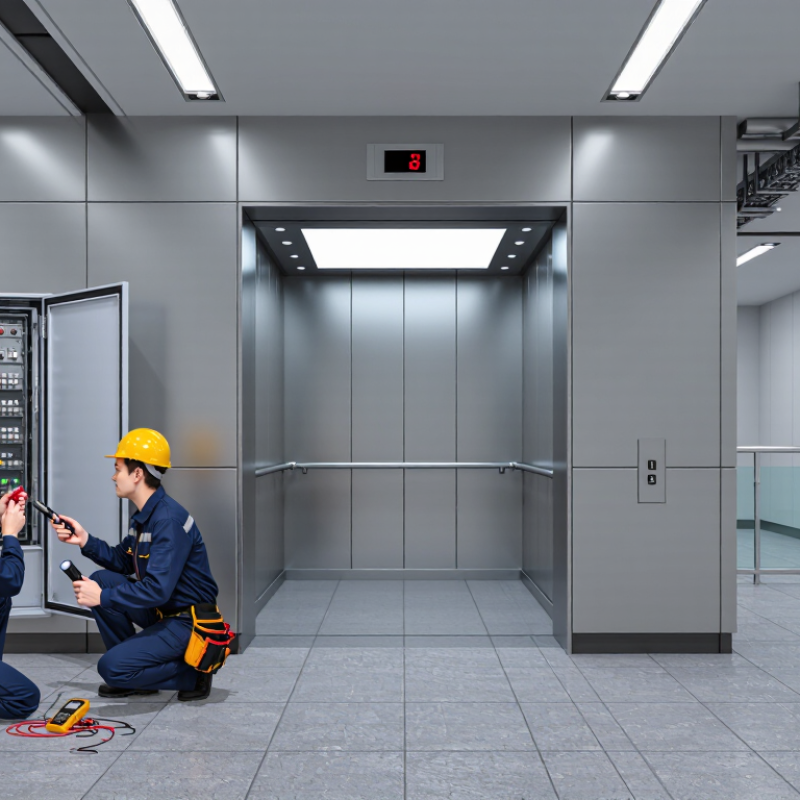
When an elevator stops unexpectedly, verify safety before troubleshooting operation. Check whether the car is level, doors are fully closed, and passengers can communicate with trained assistance. ASME A17.1/CSA B44 emergency requirements vary by edition and jurisdiction, so use the adopted code and site procedures. Never bypass an interlock or force a door.
A qualified technician can follow seven practical checks:
Test conditions should be controlled. A dark lobby, trapped passenger, or silent alarm reveals more than a clean maintenance log.
The U.S. CDC and NIOSH reported approximately 10,200 elevator-related worker injuries and 30 worker deaths annually during 1992–2009.
Those figures make routine verification meaningful, not ceremonial.
Record the fault, time, car position, power status, and passenger symptoms. Preserve evidence before resetting the controller. ASME requirements support safe emergency response, but they do not replace local inspection rules or manufacturer-approved procedures.
One imperfect habit deserves attention: technicians may focus on the original fault and overlook the emergency phone afterward. Recheck every safety function after repairs.
Stop service when communication fails, doors behave unpredictably, or the car moves without a valid command. A small warning matters.
Begin with the controller’s fault code, but treat it as a clue, not a verdict. Record the code, time, car position, direction, and passenger symptoms. Then compare those details with the event log. Repeated door retries may indicate obstruction, alignment, or sensor issues. An isolated code may reflect a temporary condition. Small timing differences matter.
Look for the first abnormal event, not merely the final shutdown message. Check whether leveling errors followed door movement, power interruption, or an overloaded trip. Inspection records add useful history. Review lubrication notes, rope or belt observations, door clearances, safety-device tests, and earlier callbacks. Missing entries deserve attention. A clean form does not prove a clean machine. Only qualified elevator personnel should perform equipment tests.
Confirm the complaint. Capture the code and timeline. Review inspection history. Check related components. Test only under controlled conditions. Document the repair and monitor recurrence. Never bypass a safety circuit to reproduce a fault. That process is practical, though not perfect. Logs may be delayed, and records may contain assumptions. Good troubleshooting leaves room to question the first explanation.
Elevator operation problems often begin with doors, not the drive system. Under EN 81-20, test the door zone with the car positioned at each landing. Confirm the elevator stops within the permitted zone before unlocking begins. Check landing and car doors separately. Look for uneven gaps, delayed movement, or unusual vibration. Small changes may indicate worn rollers, poor alignment, or a damaged threshold. Record every result, including temperature and load conditions.
Interlocks require careful testing by competent personnel with suitable safety procedures. Verify that the elevator cannot run when a landing door remains unlocked or open. Inspect the mechanical lock, electrical contact, wiring, and lock release area. Never rely on one successful test. Reopening devices also need practical checks. Place a suitable test object in the detection area and confirm that the doors reopen without harmful force. Test different heights and positions, because one sensor may respond correctly while another misses the object. That happens.
Keep test records with measurements, observations, and corrective actions. EN 81-20 sets essential safety expectations, but the current applicable edition and local inspection rules must also be considered. Avoid adjusting door limits by guesswork. A minor change can affect leveling accuracy, clearance, and passenger protection. When results conflict, stop the elevator and investigate the cause instead of repeating the test until it passes. Reliability comes from controlled testing, clear evidence, and honest attention to defects.
Elevator faults often begin with simple clues. A trained technician should verify incoming power, disconnect status, and control voltage using approved test equipment. Loose terminals, a tripped protective device, or unusual voltage readings can stop operation. Never reset equipment repeatedly without finding the cause.
Listen carefully. A clicking contactor, humming motor, or silent controller can reveal where the fault begins. Review controller signals for door status, overload input, fault codes, and emergency-stop circuits. Compare each signal with the elevator’s wiring diagrams and service records. A displayed code is useful, but it is not a complete diagnosis.
Inspect travel-limit operation from a safe position. Confirm that limit switches, position sensors, and stopping zones respond correctly during controlled testing. Do not bridge, disable, or defeat any safety circuit, even for a brief test. That shortcut can hide a dangerous condition. It can also create liability.
Check door movement, obstruction sensors, leveling accuracy, and unusual vibration. Small changes matter. A car stopping several millimeters high may indicate positioning, brake, or sensor trouble. Document readings, sounds, and operating conditions before changing parts. Guessing wastes time.
I have seen technicians focus on the controller while overlooking a damaged field wire. That mistake is easy to repeat. Independent verification helps. If signals conflict, stop testing and consult the equipment documentation or a licensed elevator professional. A safe diagnosis may take longer, but reliable operation depends on it.
Assign Qualified Technicians for Code Tests, Repairs, and Final Verification
Elevator problems often begin with small clues. A delayed door, uneven stop, or unusual vibration deserves a documented inspection. Qualified technicians should review service logs, interview building staff, and reproduce the fault under controlled conditions. Experience matters here. A single error code rarely tells the whole story.
Technicians can troubleshoot seven areas: power supply, control signals, door equipment, leveling accuracy, braking performance, ride quality, and safety circuits. They should isolate one system at a time, using calibrated meters and approved diagnostic procedures. They must never bypass protective devices to make testing faster. That shortcut can hide a dangerous fault.
Code tests require current local requirements, proper test instruments, and clear records. Repairs should use verified procedures, suitable components, and measured results. Afterward, an independent qualified person should perform final verification when practical. This review should confirm emergency functions, door protection, alarm communication, leveling, and smooth operation. Watch the first return to service closely. Even experienced teams can misread an intermittent fault, especially after a busy repair shift. A better habit is to record what was tested, what changed, and what still feels uncertain.
Record the fault code, time, car position, travel direction, and passenger symptoms. Small timing differences matter. Keep details precise.
A code may identify a system, not the exact cause. Compare it with event logs and inspection records. The first explanation may be wrong.
Repeated retries may suggest an obstruction, poor alignment, or sensor trouble. Check door movement and clearance. Do not guess too quickly.
Find the first abnormal event, not only the final shutdown message. Check whether it followed door movement, power loss, or an overloaded trip.
Qualified technicians should verify incoming power, disconnect status, and control voltage with approved equipment. Loose terminals and unusual readings can stop operation.
Listen for clicking contactors, humming motors, or a silent controller. Watch for vibration, delayed doors, and uneven stops. Small changes matter.
No. Never bridge, disable, or defeat a safety circuit. That shortcut can hide danger and create liability. Safe testing may take longer.
Document the tested items, changed parts, measured results, and remaining uncertainty. A qualified person should verify emergency functions, doors, alarms, leveling, and smooth operation.
Missing entries deserve attention, and a clean form does not prove a clean machine. Records may contain assumptions. Question them carefully.
Watch the elevator closely after returning it to service. Compare new events with earlier logs. Intermittent faults are easy to misread.
How to troubleshoot common elevator operation problems begins with safety. Before testing or resetting any equipment, confirm that emergency procedures and protective functions meet the applicable requirements of ASME A17.1/CSA B44. Review fault codes, event logs, maintenance notes, and inspection records to identify patterns such as recurring stops, door faults, or leveling issues. This information can help technicians narrow the cause without unnecessary adjustments.
A systematic inspection should include door-zone detection, interlocks, reopening devices, power supplies, controller signals, and travel-limit operation in accordance with relevant EN 81-20 requirements where applicable. Technicians should never bypass safety circuits or defeat protective devices during troubleshooting. All diagnostic tests, repairs, and final verification must be performed by qualified personnel using approved procedures. After corrective work, the elevator should be tested under normal and emergency conditions, documented clearly, and returned to service only when every required safety function operates reliably.

Ascom Elevator