Elevators are vital in modern buildings, ensuring smooth vertical transportation. However, their daily use poses safety risks that cannot be ignored. Understanding how to ensure elevator safety during daily use is essential for everyone who relies on these systems. Regular maintenance and proper etiquette can significantly reduce potential hazards.
Many users overlook small safety practices. For example, allowing passengers to exit before entering can prevent crowding. Additionally, paying attention to weight limits is crucial. Overloading can lead to malfunctions and accidents. Always check your surroundings before entering. A moment of caution can save lives.
Engaging with safety features is also vital. Familiarize yourself with emergency buttons and exit protocols. However, safety awareness requires ongoing improvement. A common mistake is taking safety for granted. Elevators should never be treated casually. Reflecting on these points continuously can enhance overall safety in your daily elevator use.
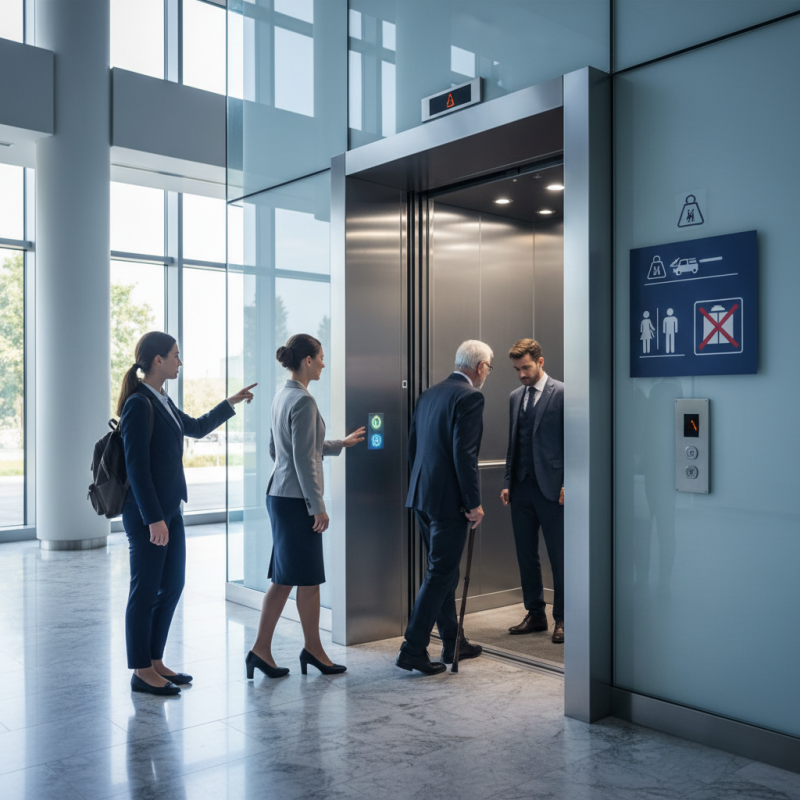
When using elevators daily, safety features play a crucial role. Industry studies indicate that around 20% of elevator accidents occur due to inadequate safety measures. Therefore, understanding these features is essential. Common safety elements include emergency brakes, door sensors, and backup power supplies. These components are vital for preventing accidents and ensuring passengers’ safety.
Emergency brakes are designed to stop the elevator rapidly during a malfunction. According to a report by the National Elevator Industry, proper maintenance of these systems can reduce accidents by over 25%. Door sensors prevent doors from closing when an object is in the way. This feature reduces entrapment risks significantly. It's important to check these sensors regularly to ensure functionality.
Another critical element is the backup power supply. In case of power failure, this feature maintains basic elevator operations, allowing passengers to exit safely. Some studies suggest that elevators equipped with backup systems result in fewer emergency calls. However, it’s crucial for users to be aware of their elevator’s specific safety features and perform routine checks. Neglecting these can lead to dangerous situations. Regular inspections and maintenance contribute greatly to overall elevator safety.
Using elevators is part of our daily life. However, ensuring safety during elevator use is crucial. Simple daily practices can significantly reduce risks. Here are some tips for safe elevator use.
Always wait for the elevator to arrive completely before stepping in. Look for any signs of malfunction. If the doors begin to close, step back. Do not force them open. Overloading is a common mistake. Check the posted weight limit before entering.
When inside, stand clear of the doors. Hold onto the handrail if available. Keeping your belongings close helps avoid blockages. Children must be watched closely. They can easily wander or play near doors. Before exiting, wait for the doors to open fully. Rushing can lead to injuries.
Engaging in these daily safety practices is essential. Reflecting on past elevator incidents can provide valuable insights. Everyone plays a vital role in maintaining a safe environment. Small changes can have a big impact on safety.
In the event of an elevator malfunction, it is crucial to follow specific emergency procedures to ensure safety. According to the National Elevator Industry, approximately 10,000 elevator incidents occur annually, underscoring the importance of preparedness. If an elevator suddenly stops, remain calm. Panic can exacerbate the situation.
Press the emergency button to alert building management or emergency services. This button connects you to help, usually through an intercom system. If no response is received, do not attempt to force the doors open. Trapped individuals often worsen their situation by trying to escape without guidance. Instead, wait for professional assistance. This advice aligns with safety recommendations from the American Society of Mechanical Engineers, which emphasizes patience during emergencies.
If the elevator is shaking or making unusual sounds before it stops, it’s essential to report this feedback promptly to the building management. This proactive communication can help prevent future malfunctions. Remember, elevators are designed with multiple safety systems intended to protect users. Despite that, observing elevator capacity limits is vital. Overloading can lead to unexpected malfunctions. Awareness of these protocols can save lives and ensure a safer experience in daily elevator use.
| Tip Number | Safety Tips | Emergency Procedures |
|---|---|---|
| 1 | Always check the elevator's load capacity before use. | If overloaded, stay calm and exit the elevator immediately. |
| 2 | Check for any unusual noises or vibrations before entering. | In case of strange sounds during operation, press the emergency button. |
| 3 | Wait for the elevator to arrive fully at your floor before attempting to enter. | If the doors do not open, use the intercom system to alert assistance. |
| 4 | Do not block the door when it is closing. | If stuck, remain calm and press the emergency button for help. |
| 5 | Avoid using elevators during power outages or emergencies. | If trapped, stay in the elevator and wait for rescue personnel. |
Understanding the capacity of an elevator is crucial for ensuring safety during daily use. Each elevator has a specific weight limit that must not be exceeded. When too many people or heavy items are inside, the risk of malfunction increases. Signs usually indicate the maximum load. Familiarize yourself with these signs to avoid accidents.
Many users overlook these limits. A crowded elevator can cause stress on cables and electrical systems. This can lead to sudden stops or even breakdowns. It’s vital to communicate with others waiting for the elevator. Ensure everyone respects the limits. Always check the weight before entering.
In practice, sometimes we underestimate our loads. A few extra bags may seem harmless, but they can push the capacity over the edge. Pause and assess the situation. Consider using an alternate elevator if necessary. Safety should always take precedence. Reflect on your actions and their impact on elevator integrity.
Elevators are crucial for daily mobility in multi-story buildings. Regular maintenance and inspections are vital for their safety. According to the American Society of Mechanical Engineers (ASME), elevators should be inspected at least once a year. Yet, many buildings neglect this, potentially exposing users to hazards.
In 2021, the National Elevator Industry, Inc. reported over 1,000 elevator-related accidents in the U.S. alone. Routine checks can identify wear and tear before they become severe issues. For example, a worn-out cable can lead to catastrophic failure. Regular inspections allow qualified technicians to spot problems while following regulations. This not only ensures safety but also prolongs the elevator's lifespan.
Safety protocols, like lubrication and brake checks, are critical aspects of maintenance. Observing proper load limits is essential, yet many users overlook this. For instance, exceeding capacity can strain the system, leading to breakdowns. Staff should remind occupants to adhere to signage within the elevator. Reflecting on these practices helps prioritize safety. After all, the cost of neglecting maintenance is far greater than the expense of regular service.
: Emergency brakes, door sensors, and backup power supplies are crucial for safe elevator use.
Emergency brakes stop the elevator quickly during malfunctions, preventing accidents.
Door sensors prevent doors from closing on objects, significantly reducing entrapment risks.
It maintains basic elevator functionality during power failures, ensuring safe exits for passengers.
Wait for the elevator to stop completely and check for any malfunction signs.
Always check the posted weight limit and make sure not to exceed it.
Stand clear of doors and keep belongings close to avoid blockages.
Reflecting helps us understand risks and encourages safe behavior while using elevators.
Overloading can stress the elevator systems, leading to breakdowns or accidents.
Follow weight guidelines and wait patiently for the doors to open fully before exiting.
Ensuring elevator safety during daily use is crucial for preventing accidents and ensuring the well-being of passengers. Familiarizing yourself with common elevator safety features, such as emergency brakes and alarms, can significantly enhance safety. Additionally, adopting daily practices like waiting for the elevator to come to a complete stop before boarding and not overloading it are essential steps for safe usage.
In case of an elevator malfunction, it is vital to follow emergency procedures, such as using the emergency phone to contact assistance and remaining calm. Understanding elevator capacity and load limitations can also help avoid mishaps. Lastly, the importance of regular maintenance and inspections cannot be overstated, as they ensure that all safety features are functioning correctly and reduce the risks associated with elevator use. By incorporating these tips, individuals can effectively learn how to ensure elevator safety during daily use.

Ascom Elevator